
Housing · News · Sustainability · Transport
Sustainable Growth at Barking Riverside
The challenge facing London's housing sector is no longer simply one of supply. Increasingly, the focus has shifted towards how new communities can be delivered sustainably, creating places that balance environmental performance, social value and long-term resilience. Few developments demonstrate this transition more clearly than Barking Riverside, one of Europe's largest regeneration projects, where housing delivery is being integrated […]

Jul 31, 2026
The challenge facing London's housing sector is no longer simply one of supply. Increasingly, the focus has shifted towards how new communities can be delivered sustainably, creating places that balance environmental performance, social value and long-term resilience. Few developments demonstrate this transition more clearly than Barking Riverside, one of Europe's largest regeneration projects, where housing delivery is being integrated with ecological enhancement, low carbon infrastructure and community focused design.
Situated along the Thames in East London, Barking Riverside has evolved from a former industrial landscape into a significant new residential quarter. The wider masterplan was originally granted permission for 10,800 homes, alongside transport links, schools, community facilities and commercial space, creating the foundations for a new urban district. More recent proposals indicate the area's capacity could grow substantially further as demand for housing across the capital continues to increase.
Reflecting on the significance of this next phase of development, Leigh Johnson, Managing Director of Barking Riverside Limited, said: This successful planning consent marks a genuine step change for Barking Riverside and for the role it can play in London's growth. Yes, in relation to housing numbers, but also regarding place creation and the pace of delivery.
"The development offers a rare combination of scale, security and coordination, not often seen within the London market. With institutional backing and a long-term stewardship model, Barking Riverside is positioned not as a short-cycle opportunity but as a generational investment anchored in partnership. We are now positioned to de-risk, accelerate and expand."
That long-term vision is increasingly reflected in the way Barking Riverside is being delivered. Central to the success of the development has been a growing emphasis on sustainability. Research from the UK Green Building Council indicates that the built environment is responsible for approximately 25% of the UK's greenhouse gas emissions, placing considerable pressure on developers and housing providers to reduce operational carbon while improving environmental outcomes. At Barking Riverside, this challenge has informed both strategic planning and detailed design decisions.
L&Q, working alongside development partners, has played a key role in delivering homes within the Stage 2 North neighbourhood. Completed schemes within this phase provide 853 homes across a mix of tenures, incorporating shared ownership, affordable housing and private sale properties. The development has been designed around landscaped courtyards, pedestrian friendly streets and generous green infrastructure, creating a neighbourhood that prioritises wellbeing alongside housing delivery.
The sustainability strategy follows the recognised "Be Lean, Be Clean and Be Green" hierarchy, which remains a cornerstone of London's energy policy. Highly insulated building envelopes, improved airtightness and high-performance glazing reduce energy demand at source, while centralised energy systems and mechanical ventilation with heat recovery help improve efficiency and indoor air quality. Roof mounted photovoltaic panels further contribute to reducing operational emissions across communal areas.
Environmental performance extends beyond individual buildings. The development incorporates extensive ecological planting, green roofs and landscaped open spaces that support biodiversity while helping to mitigate urban heat island effects. Importantly, homes are arranged to maximise daylight and natural ventilation, reducing reliance on mechanical cooling systems and improving resident comfort throughout the year.
Transport infrastructure has also been fundamental to the project's sustainability credentials. The extension of the London Overground to Barking Riverside has transformed connectivity, reducing reliance on private vehicles and strengthening links between East London and the capital's employment centres. The wider masterplan prioritises walking and cycling routes, while new public spaces and green corridors help connect neighbourhoods and encourage active travel.
One particularly innovative feature is the underground waste collection network serving parts of the development. According to project documentation, the system has reduced waste collection related carbon emissions by 90% while significantly reducing the need for conventional street level bins and refuse vehicle movements. Recycling rates have also reached around 40%, considerably exceeding the average achieved by many urban developments across London.
The regeneration of Barking Riverside also reflects a broader shift within the housing sector towards place making rather than simply housebuilding. Earlier strategic plans for the wider Gateway area identified opportunities to transform former industrial land into thousands of homes while strengthening community connections, improving access to nature and creating a stronger sense of identity for residents. Green corridors, restored habitats and new public spaces have therefore been embedded within the development framework from the outset.
As housing providers continue to navigate ambitious net zero targets alongside growing demand for affordable homes, developments such as Barking Riverside offer valuable lessons. The project demonstrates that large scale residential growth can be aligned with environmental responsibility, showing how investment in energy efficiency, biodiversity and sustainable transport can contribute to the creation of thriving communities. For the sector, the challenge now lies in ensuring that these principles become the norm rather than the exception.
Sponsored Advert

Related Posts
Latest approval for major Weston housing development
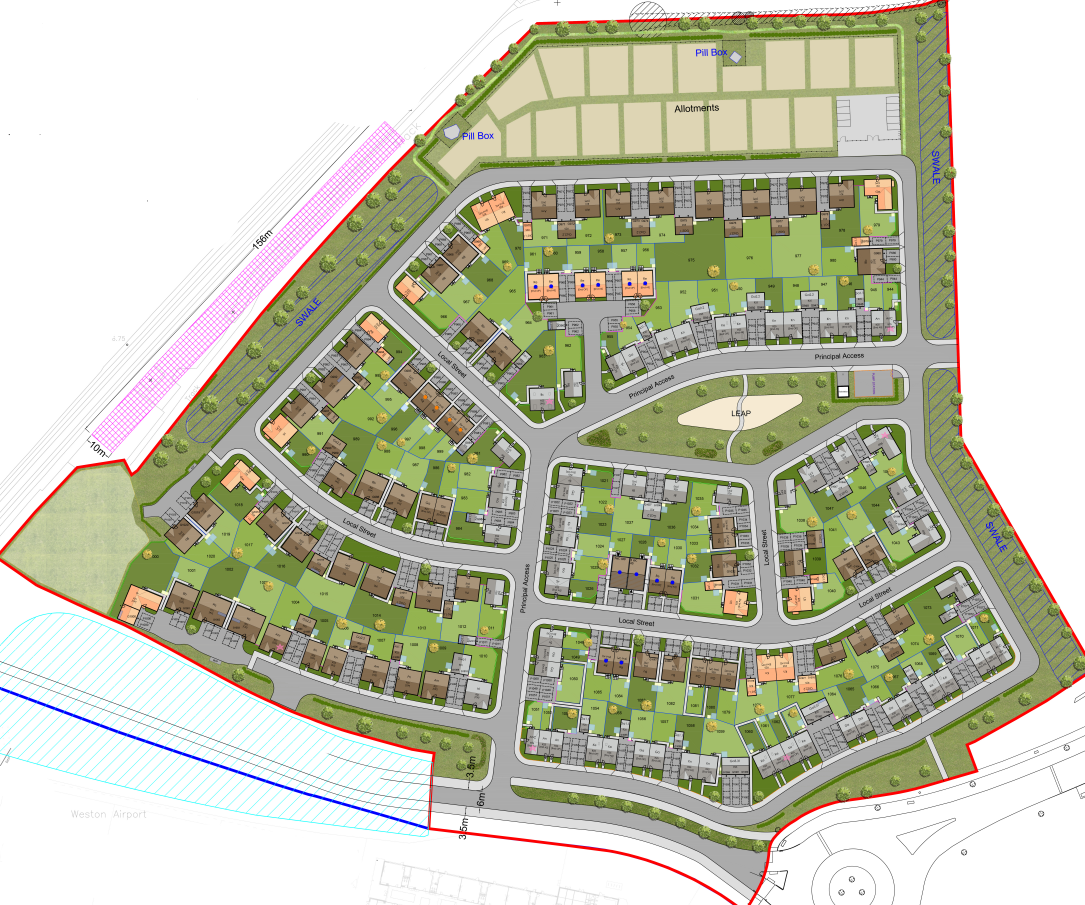
The housebuilder behind the popular Haywood Village scheme in Weston-super-Mare has secured planning permission for the latest phase at the site. Persimmon Homes Severn Valley reserved matters application was awarded consent by North Somerset Council, paving the way...

Why insulated garage doors matter for the Future Homes Standard
The Future Homes and Buildings Standard has moved from proposal to a fixed timetable. Published on 24 March 2026, it will come into force exactly a year later in March 2027, requiring new homes in England to produce roughly 75 to 80 per cent less carbon than those...
Why retrofit still has no answer for overheating
Britain has spent the better part of a decade getting very good at one half of a problem. Insulation, airtightness, better glazing and heat pumps have been pushed hard through funding schemes, assessment frameworks and training programmes, and the housing stock is...