
The Hidden Energy Load: Why pools and wellness rooms belong in the sustainability conversation
The sustainability conversation in high-end residential construction has grown impressively sophisticated. Architects model thermal bridging, specifiers compare insulation values down to the decimal, and developers now treat airtightness results as a genuine selling point rather than a box-ticking exercise. Yet for all the rigour applied to walls, roofs and glazing, one part of the modern […]
Jun 24, 2026
The sustainability conversation in high-end residential construction has grown impressively sophisticated. Architects model thermal bridging, specifiers compare insulation values down to the decimal, and developers now treat airtightness results as a genuine selling point rather than a box-ticking exercise.
Yet for all the rigour applied to walls, roofs and glazing, one part of the modern luxury home tends to slip past the same scrutiny. Pools, spa rooms and home wellness suites have become expected features at the top of the market, and they are still often treated as lifestyle additions rather than as part of the energy story. As buyers and planners pay closer attention to how a home performs in use, that distinction is getting harder to defend.
Why the use phase matters more than it looks
The reason is straightforward. A building's environmental impact is not settled at completion; most of it accrues over years of use. The sector already understands this for heating and power, which is why so much effort now goes into reducing demand and switching to low-carbon systems. The scale of that work is significant, with reporting across the industry noting that around 29 million UK homes still need retrofit work if the country is to meet its 2050 net zero targets.
When a home also contains a heated body of water that runs for much of the year, the use-phase sums shift again, and not by a small margin. A heated pool left to lose warmth through its structure can quietly become one of the most energy-hungry things on the plot, working against every efficiency gain made elsewhere in the build.
Housebuilding has already worked out how to handle this. The fabric-first approach promoted by the Passivhaus Trust sets a clear order of priority: cut the demand for energy through the fabric of the building first, then meet whatever is left with efficient, low-carbon kit. Insulation, airtightness and the removal of thermal bridges do the heavy lifting before any technology is added. There's no reason that logic should stop at the walls of the house. Any structure that has to hold heat, a pool very much included, responds to exactly the same discipline.
Building a pool that works with the home
A heated pool loses energy in two main ways: through both the surface of the water, and the shell into the surrounding ground. Heat is persistent, and water held at a comfortable swimming temperature will keep giving up energy to anything cooler around it, day and night. The surface loss is handled with covers and sensible siting. The shell, though, is a decision made long before anyone takes a first swim. Traditional concrete construction wraps the water in a large thermal mass that has to be warmed alongside the water itself, and that mass sits against cold earth. The better the shell insulates, and the less material there is to heat in the first place, the less energy the pool needs to hold its temperature. Approached as a building-fabric question rather than an afterthought, a pool's running energy can be designed down by a meaningful amount.
The fix is to treat the shell as a thermal envelope in its own right. A continuous layer of insulation held tight against the water, with no tiled or lined mass sitting in between, leaves the heat source warming the water and very little else. Build a pool that way and it stays warm on a fraction of the energy a comparable concrete tank needs, because the concrete has to be brought up to heat alongside the water and then bleeds it steadily into the ground. It applies the same logic used on the rest of the building to the pool itself. Among the designs built on exactly this basis is Compass Pools' insulated pool engineered to hold its heat. Specified like that, the pool stops working against everything the rest of the home is trying to achieve.
What sets that kind of shell apart is in the build detail. The materials do the work, with low-conductivity insulation, no thermal bridges and an airtight seal meaning very little of the heat put in finds a way out. Run it on a heat pump and the operational carbon falls in step. There is a longevity dividend too: the longer a pool lasts before it has to be replaced, the more waste and embodied carbon are kept out of the equation in the first place.
The same problem indoors
Bringing a pool or spa indoors introduces a further energy cost on top of heating the water itself. A body of warm water raises humidity, which has to be controlled to protect the building and keep the space comfortable, and that ventilation and dehumidification carries an energy demand of its own. Heat recovery on the ventilation system, careful control of room temperature against water temperature, and proper insulation of the pool hall all pull in the same direction.
The common thread is that these are design and specification choices, settled on the drawing board, rather than problems to be solved with a bigger plant room later. The same considerations scale up to hospitality and large residential schemes, where the pool is often the headline amenity and its running cost sits with the operator or owner for decades.
Claims that stand up to scrutiny
There's a credibility dividend here too. Buyers and regulators have grown wary of vague environmental marketing, and the claims that hold up best are the ones rooted in how something is actually built. That sits alongside a broader industry move towards durable, sustainable materials, where genuine longevity and measured performance count for more than green-sounding language. An amenity that demonstrably draws less energy to run, evidenced by its specification rather than its brochure, is a claim a developer can stand behind. One added as a marketing line at the end cannot.
Bringing amenities into the energy model
For developers and design teams, the practical move is to assess amenities at the same stage as everything else, rather than signing them off on a separate sheet. Ask how much energy a feature will draw across a typical year, alongside what it costs to install. Look at the insulation and the heat source together, because an efficient heat pump bolted onto a leaky pool is only half a job. Treat running cost as part of the sales story, since a buyer paying premium prices increasingly wants to know what the home costs to keep running over time, as well as what it costs to build.
None of this is an argument against amenities. A pool, a spa or a wellness room can sit comfortably within a genuinely low-impact home, provided it is designed with the same care given to the rest of the building. The mistake is to let the sustainability thinking stop at the back door while the most energy-intensive feature on the property is waved through on lifestyle grounds. The projects that get this right will offer lower running costs, a cleaner conscience and a sustainability story that stands up to questions. That counts for a great deal more than a feature which looks impressive on handover and then quietly runs up a bill for the next twenty years.
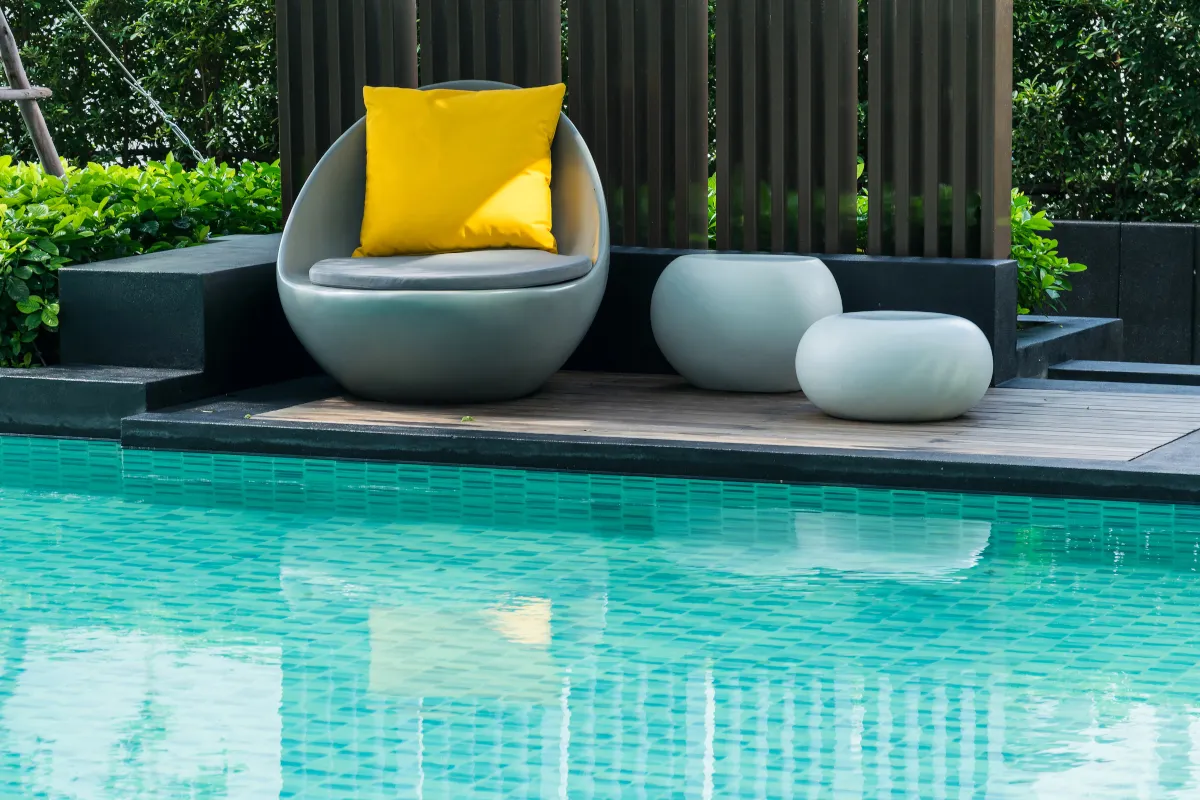
Featured Image source: Deposit photos
Related Posts
Warm Homes Bill Transforming British Housing
The Warm Homes Bill represents a £15 billion investment and one of the most significant policy interventions in the built environment in a generation. As implementation gathers pace across the UK, the programme is expected to play a central role in...
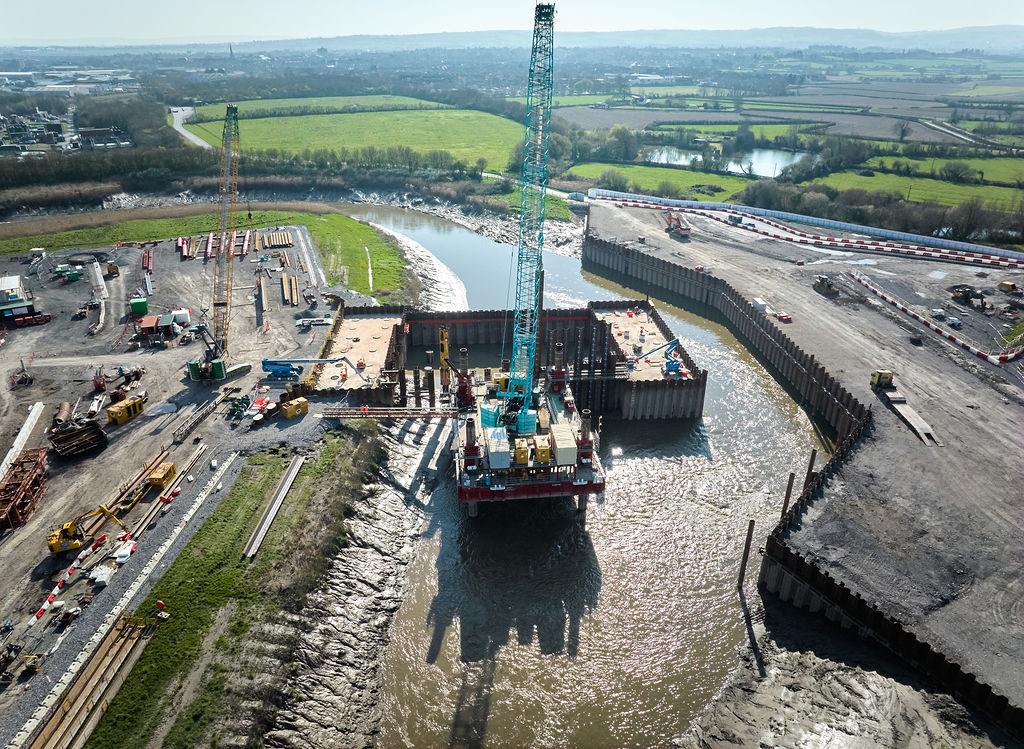
Bridgwater’s Flood Resilience
Bridgwater sits along the River Parrett estuary, around 17 kilometres upstream of the Severn Estuary. As one of the lowest and flattest regions in the country, it is particularly vulnerable to flooding. Today, around 11,300 homes, representing 60% of the...
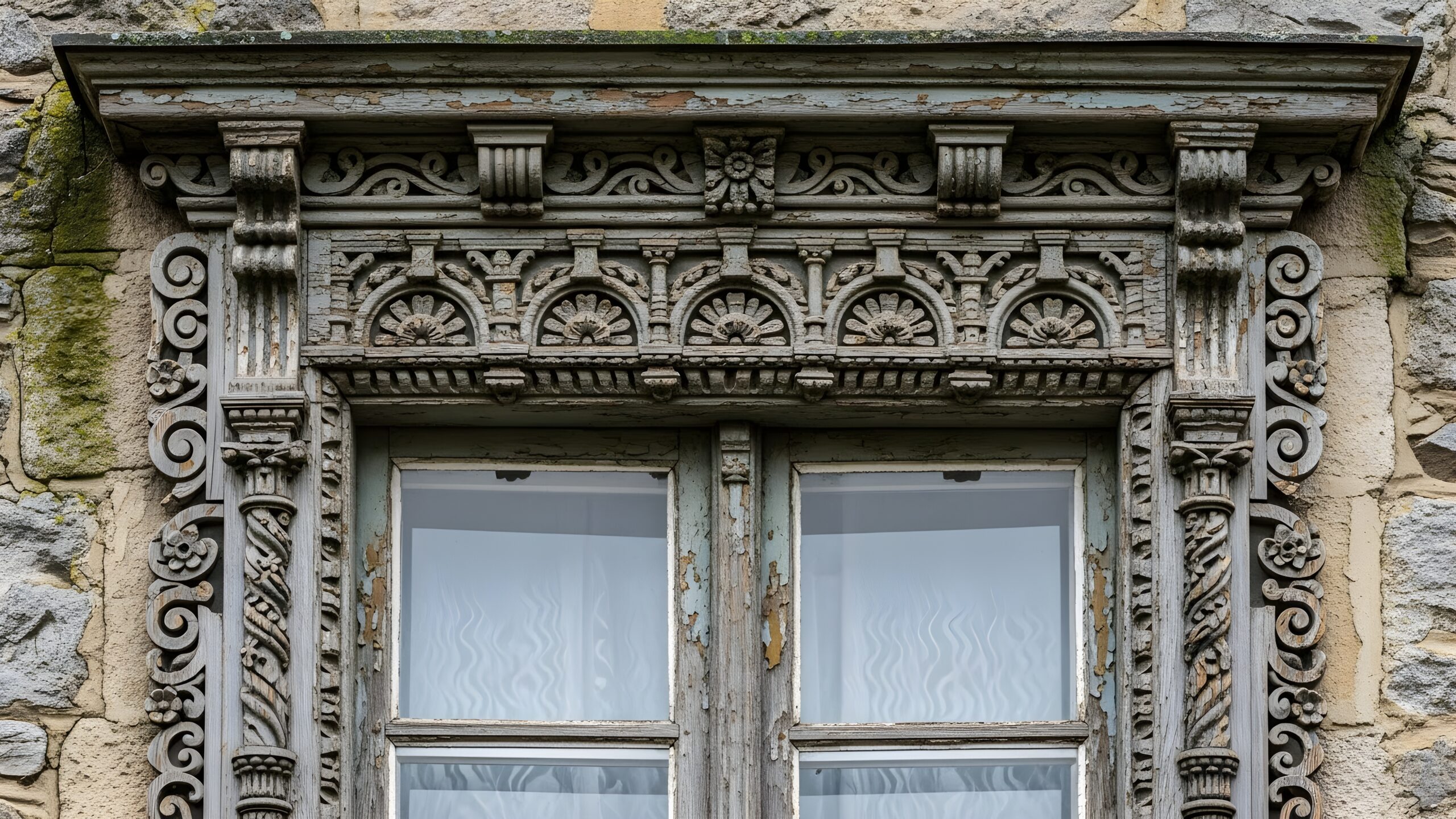
Restoring Swindon’s Historic Baths
In the heart of Swindon’s Railway Village, the Grade II star listed Health Hydro has entered a new chapter in its long and distinctive history, reflecting both heritage conservation and modern adaptation. First opened in 1891 as the Great Western Railway Medical Fund...