
Waste Liability Under Scrutiny
Households and contractors across the UK are being warned that seemingly minor waste disposal mistakes could lead to substantial fines, as councils and environmental agencies continue to tighten enforcement against illegal dumping. Whilst fly-tipping has long been viewed as an environmental nuisance, growing evidence suggests it is increasingly becoming a serious public health and construction industry concern, particularly […]
Jul 15, 2026
Households and contractors across the UK are being warned that seemingly minor waste disposal mistakes could lead to substantial fines, as councils and environmental agencies continue to tighten enforcement against illegal dumping. Whilst fly-tipping has long been viewed as an environmental nuisance, growing evidence suggests it is increasingly becoming a serious public health and construction industry concern, particularly as hazardous materials such as asbestos continue to appear in illegally dumped waste.
According to guidance from the Environment Agency, households remain legally responsible for their waste even after it leaves their property. This duty of care means that if rubbish is handed to an unlicensed waste collector and later discovered fly-tipped, the original waste holder could face fixed penalty notices of up to £600. Waste management specialists argue that many breaches stem not from deliberate wrongdoing, but from a lack of understanding surrounding waste legislation and disposal responsibilities.
Miroslav Radov, founder of Rainbow Rubbish Removals, explained that the rise of low-cost, same-day rubbish clearance services has contributed to the problem. He noted: “A lot of the problems we see come down to people simply not knowing the rules. It’s not deliberate, it’s that waste disposal feels like something you don’t need to think about too much. But there are a few key areas where that can catch people out.”
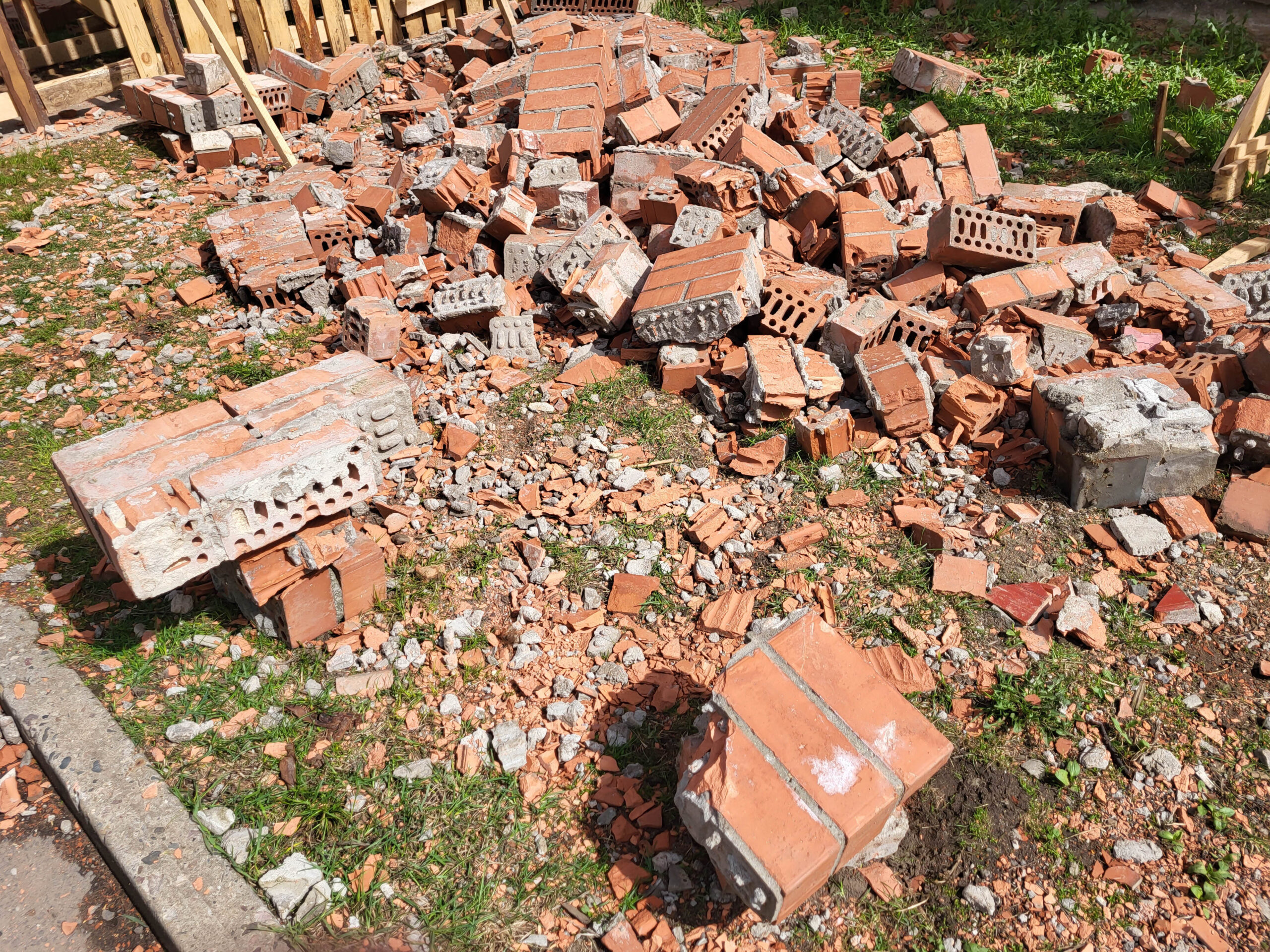
The issue is particularly relevant to the construction sector, where renovation and demolition activity generates large quantities of bulky and regulated waste. Items such as plasterboard, electrical goods, old appliances and renovation debris are amongst the most commonly fly-tipped materials because they are expensive and time-consuming to dispose of legally. Research from BusinessWaste.co.uk indicates that England recorded 1,257,863 incidents of illegal dumping during 2024/25, equating to roughly one incident every 25 seconds.
The illegal disposal of asbestos is of increasing concern,, as a material still commonly encountered during refurbishment projects involving older buildings. Although asbestos use was banned in the UK in 1999, the Health and Safety Executive estimate that millions of tonnes remain within the built environment, particularly in schools, housing stock and industrial premises constructed before the ban. When disturbed or improperly handled, asbestos fibres can become airborne and pose severe long-term health risks, including mesothelioma, lung cancer and asbestosis.
Data analysed by BusinessWaste.co.uk has revealed significant regional disparities in asbestos-related fly-tipping. Haringey ranked as England’s leading asbestos dumping hotspot, recording 363 asbestos-related fly-tipping incidents during 2024/25, equivalent to 13.76 incidents per 10,000 people. Chichester and Hyndburn followed closely behind, with asbestos accounting for 6.86% and 1.10% of total fly-tipping incidents respectively.
Mark Hall, Asbestos Removal Expert at BusinessWaste.co.uk, warned that hazardous waste dumping presents risks far beyond visual pollution. He stated: “Substances such as asbestos are not only more toxic but also often require specialist handling and disposal. When dumped illegally, they can contaminate soil and water, release harmful particles into the air, and create safety risks for both the public and council workers.”
The construction industry faces particular scrutiny because asbestos removal and hazardous waste disposal involve strict regulatory procedures and significant costs. Industry analysts suggest that rogue operators may illegally dump waste to maximise profits by avoiding disposal charges and compliance requirements. This creates both financial and reputational risks for contractors, developers and property owners who fail to verify the credentials of waste carriers operating on their behalf.
Environmental experts argue that stronger enforcement is likely in the coming years as councils attempt to combat rising waste crime. Miroslav Radov observed: “As enforcement increases and councils continue to crack down on illegal dumping, it wouldn’t be surprising to see penalties reviewed again in the future. The focus is clearly on accountability.”
For construction firms and homeowners alike, the implications are clear. Waste management can no longer be viewed as a peripheral administrative task. Instead, it forms an essential part of regulatory compliance, environmental responsibility and public safety. Experts recommend that anyone arranging waste removal should request a valid waste carrier licence number, verify it through the Environment Agency register and retain transfer notes or receipts as evidence of lawful disposal. In an industry already facing increasing regulatory pressure around sustainability and environmental performance, proper waste management is rapidly becoming both a legal necessity and a professional obligation.
Sponsored Advert

Related Posts

Developer shows support for St Austell school
Cornwall’s biggest housebuilder has donated £2,000 to supporters of a special school near St Austell. The donation from Persimmon Homes to Friends of Doubletrees School in St Blazey comes from the developer’s Community Champions programme that sees £700,000 donated to...

City Centre South reaches major milestone as first tower begins to rise
A major milestone has been reached at Coventry's transformational City Centre South regeneration project developed by The Hill Group, with the first tower now rising from the ground following the completion of demolition and extensive groundworks across the site....

New Forest District Council’s strategy puts prevention at the heart of tackling homelessness in the district
New Forest District Council (NFDC) has launched a strategy to prevent homelessness, support people at risk, and help residents find secure accommodation. The Homelessness and Rough Sleeping Strategy sets out NFDC’s priorities for tackling homelessness and...