
Balfour Beatty’s innovative approach to sustainability saves millions of plastic bags from landfill
Balfour Beatty, working in partnership with Thames Water, has saved over one million plastic bags from landfill by utilising a waste plastic asphalt on a key London cycle lane in Stratford, through the Queen Elizabeth Olympic Park. For the first time on a UK cycle lane, traditional asphalt has been replaced with a greener alternative. […]

Aug 9, 2019
Balfour Beatty, working in partnership with Thames Water, has saved over one million plastic bags from landfill by utilising a waste plastic asphalt on a key London cycle lane in Stratford, through the Queen Elizabeth Olympic Park.
For the first time on a UK cycle lane, traditional asphalt has been replaced with a greener alternative. The new material uses waste plastic which would otherwise have gone to landfill or incineration to replace part of the bitumen used in asphalt production.
Provided by MacRebur, a plastic asphalt developer, the new material is more flexible and adaptable under temperature changes which reduces the chances of cracking and potholes forming over time. To further enhance the sustainability of the new cycle lane, the material can also be recycled again at the end of its life, completing the recycling process.
John McKay, Balfour Beatty Senior Construction Manager for the works, said: “Throughout the project, sustainability played a vital role in the choices we made. Finding a material which not only saved plastic from landfill, but which could also be recycled again at the end of its life, is the ultimate sustainable solution.
“We are proud to have taken an innovative approach to sustainability and ultimately offer a more sustainable yet practical result to the community for their new cycle lane.”
The new cycle lane formed part of wider works to upgrade the Victorian sewer network running through the Waterworks Bridge in Stratford.
With a focus on sustainability and delivering innovative solution to clients, Balfour Beatty has helped Thames Water deliver a more sustainable project which will ultimately benefit the public. Balfour Beatty’s sustainability strategy, the Blueprint, sets out how Balfour Beatty delivers long-term economic, social and environmental outcomes for its employees, customers, society and shareholders. Balfour Beatty is committed to leaving a legacy in the communities in which it operates, working with local supply chain partners wherever possible, investing in local community initiatives and building the workforce of the future through apprenticeship schemes and work placement opportunities.
Sponsored Advert

Related Posts
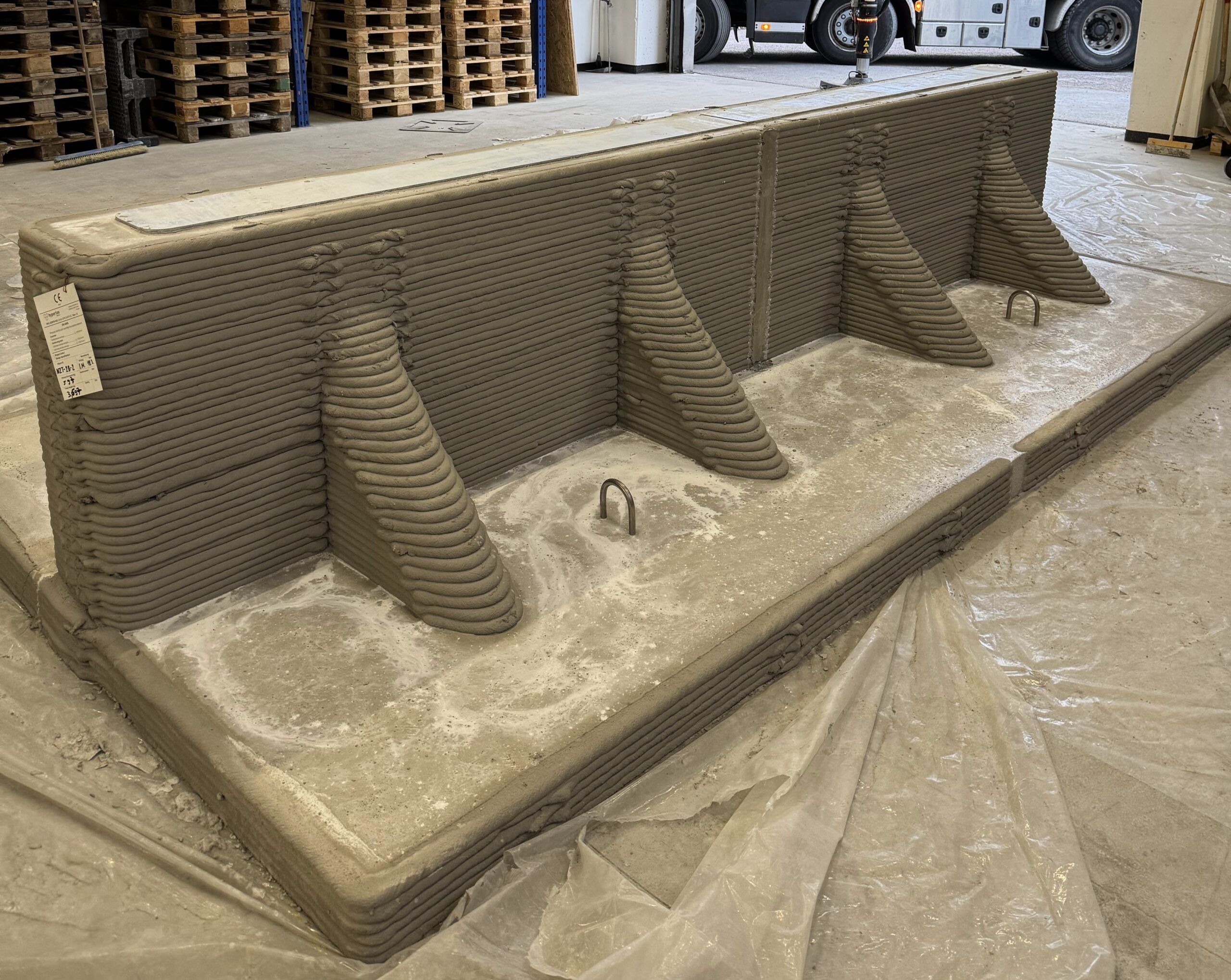
Printing the Future
As the construction industry works towards lower carbon delivery and greater efficiency, 3D printed concrete is beginning to move from experimental research into live infrastructure projects. The technology is now being used on major UK schemes, highlighting how...

HS2 Bridges the Gap
The construction of major viaducts across some of the Midlands' busiest motorway corridors represents another significant stage in the delivery of HS2, as the project continues to transition from preparatory activity to the installation of permanent railway...
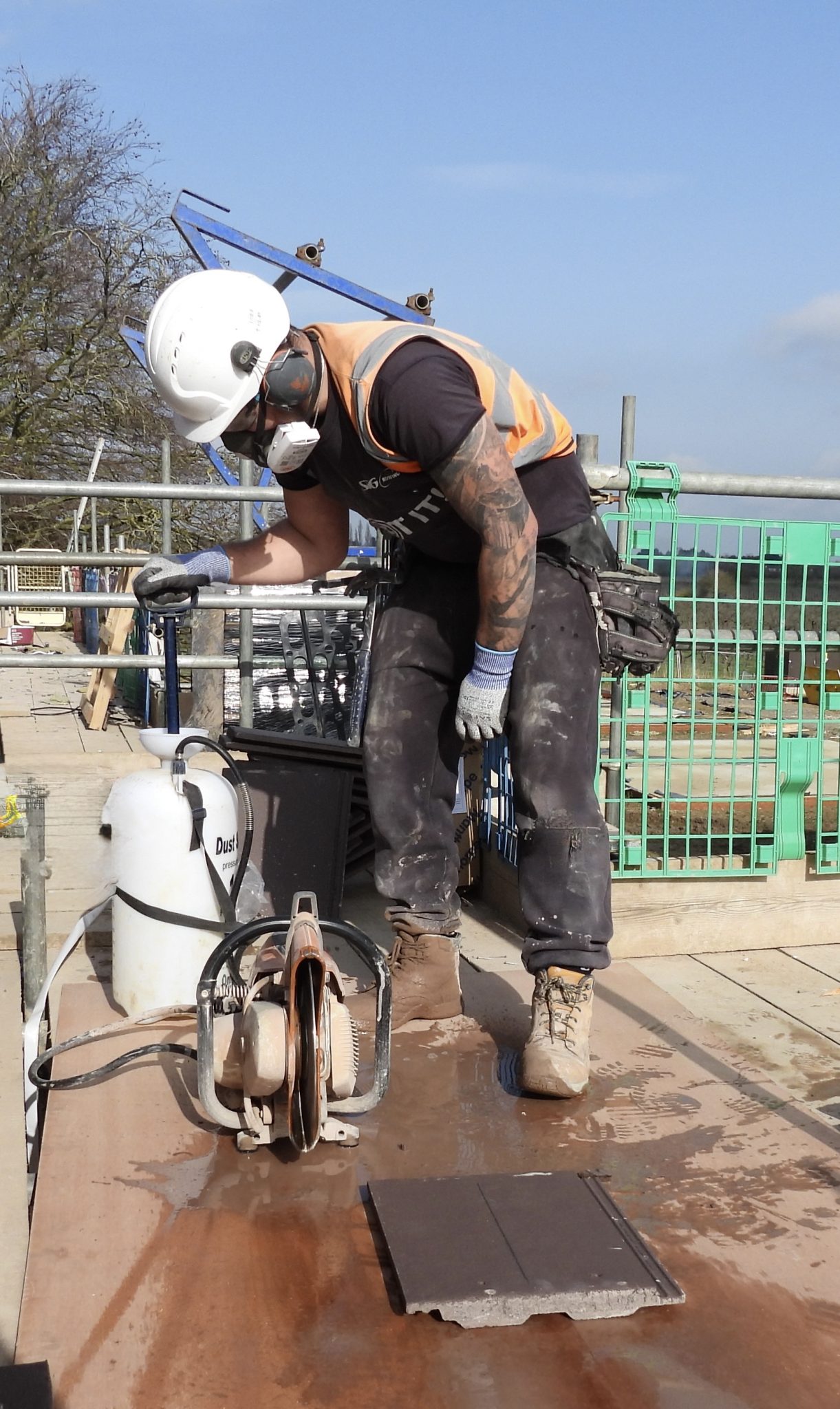
Cutting Dust Risks
The National Federation of Roofing Contractors (NFRC) has launched a major new awareness campaign aimed at tackling one of the construction industry’s most serious long-term health risks, respirable crystalline silica dust. The federation’s new “Cut the Dust”...