
Delivering Value Beyond Construction
Social value has become one of the most important considerations in the construction industry, reflecting a growing expectation that projects should deliver benefits beyond the buildings and infrastructure they create. While construction has traditionally been measured against cost, quality and programme, organisations are now increasingly expected to demonstrate how their work contributes to local communities, supports economic growth and […]
Aug 13, 2026
Social value has become one of the most important considerations in the construction industry, reflecting a growing expectation that projects should deliver benefits beyond the buildings and infrastructure they create. While construction has traditionally been measured against cost, quality and programme, organisations are now increasingly expected to demonstrate how their work contributes to local communities, supports economic growth and improves people's lives.
This shift has been driven by both policy and research. The Public Services (Social Value) Act 2012 requires public bodies to consider the wider social, economic and environmental benefits that can be generated through procurement, while subsequent government guidance has strengthened the role of social value within public sector contracting.
Research published in Measuring Social Value in Construction by Gregg Watts of the University of Salford, alongside Professor Andrew Dainty and Professor Scott Fernie of Loughborough University, highlights the growing importance of social value within construction procurement and project delivery. The researchers argue that social value should be measured not only through financial outcomes but also through its ability to improve wellbeing, opportunity and community outcomes. This view is echoed in the Chartered Institute of Building's report Social Value and SMEs: It's Not Going Away, which concludes that social value is becoming increasingly embedded across the construction sector and is now influencing procurement decisions throughout both the public and private sectors. Together, the research demonstrates that social value is no longer an optional addition to project delivery but an increasingly important measure of industry success.
Supporting this view, Saul Townsend, Head of Communications at the Chartered Institute of Building, explained: "We sometimes talk about construction as if it begins and ends at the site boundary. But the reality is that every project touches local supply chains, local employment and local communities. The ripple effect runs right through the economy and through society. Social value is the language that lets us capture that."
For construction businesses, social value presents an opportunity to create a lasting legacy through community engagement, skills development, volunteering and charitable initiatives. When delivered effectively, these activities can strengthen relationships with local communities while providing meaningful support to those who need it most.
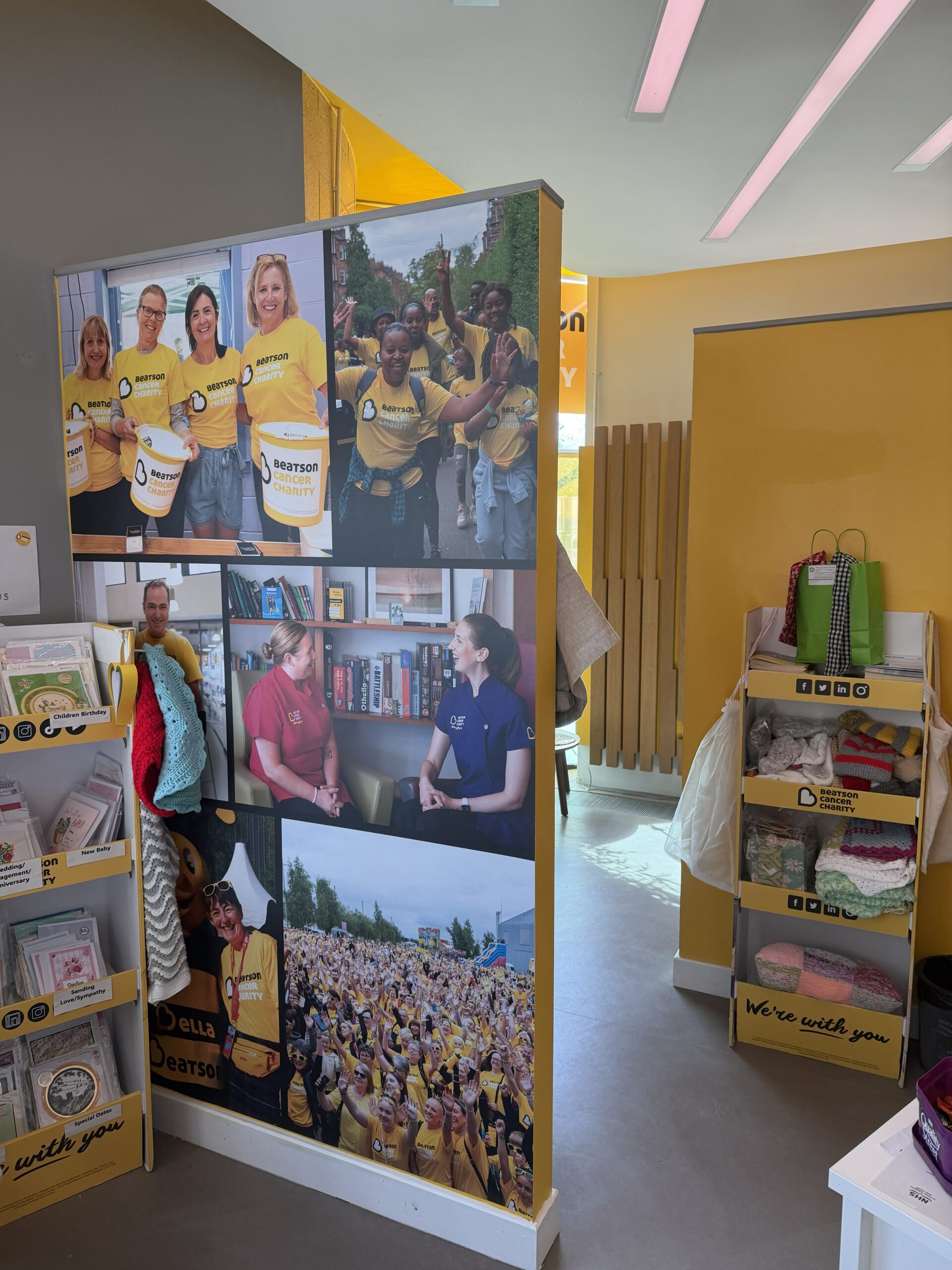
A recent example of social value in action can be seen at the Beatson West of Scotland Cancer Centre, where Tilbury Douglas collaborated with members of its supply chain to deliver a programme of goodwill improvement works entirely free of charge. The Beatson is one of the UK's leading oncology facilities, treating approximately 10,000 new patients each year, and provides radiotherapy and chemotherapy services to communities across the West of Scotland.
Over a five-day period, following several months of planning and design, Tilbury Douglas and its partners transformed key patient and visitor areas to create more welcoming and supportive environments away from busy clinical settings. Improvements included upgrades to the patient and visitor lounge, the creation of more private and comfortable spaces for families, and enhancements to external areas that provide patients with a quiet retreat from the hospital environment.
The project was delivered alongside Trisquare, LECS Upholstery and MMM Joinery, with employees volunteering their time through Tilbury Douglas' 'Give a Day of Your Time' initiative. In addition to donating labour, specialist expertise and materials, the project reflected a shared commitment to improving the experience of patients and their families during what can often be an extremely challenging period.
Barry O'Hagan, Regional Director – Scotland at Tilbury Douglas, reflected on the significance of the project. He commented: "This project has been incredibly special to be a part of. Knowing these spaces are bringing comfort and calm to patients and families during difficult times makes everyone involved very proud."
The initiative also built upon an ongoing relationship between Tilbury Douglas and the Beatson Cancer Charity, developed through fundraising activities, staff engagement programmes and awareness initiatives. The strength of that partnership was highlighted by Laura Hadley Stove, Director of Care Services at the Beatson Cancer Charity, who noted: "It was evident that social value is embedded at Tilbury Douglas due to the level of care and willingness to help from all involved."
The impact of the improvements has already been recognised by patients, families and staff, with the enhanced spaces providing greater comfort and privacy within an often-emotional environment. Interest has also been expressed in replicating similar wellbeing-focused spaces elsewhere, demonstrating how relatively simple interventions can make a meaningful difference to patient experience.
As social value continues to gain prominence across the construction sector, projects such as the Beatson Cancer Centre improvements highlight the industry's ability to deliver benefits that extend far beyond the built environment. While legislation and procurement frameworks have helped raise the profile of social value, its true significance lies in the positive impact it can have on people and communities. Through collaboration, volunteering and a commitment to giving back, construction businesses have an opportunity to create lasting change alongside the projects they deliver.
Sponsored Advert

Related Posts

Developer shows support for St Austell school
Cornwall’s biggest housebuilder has donated £2,000 to supporters of a special school near St Austell. The donation from Persimmon Homes to Friends of Doubletrees School in St Blazey comes from the developer’s Community Champions programme that sees £700,000 donated to...
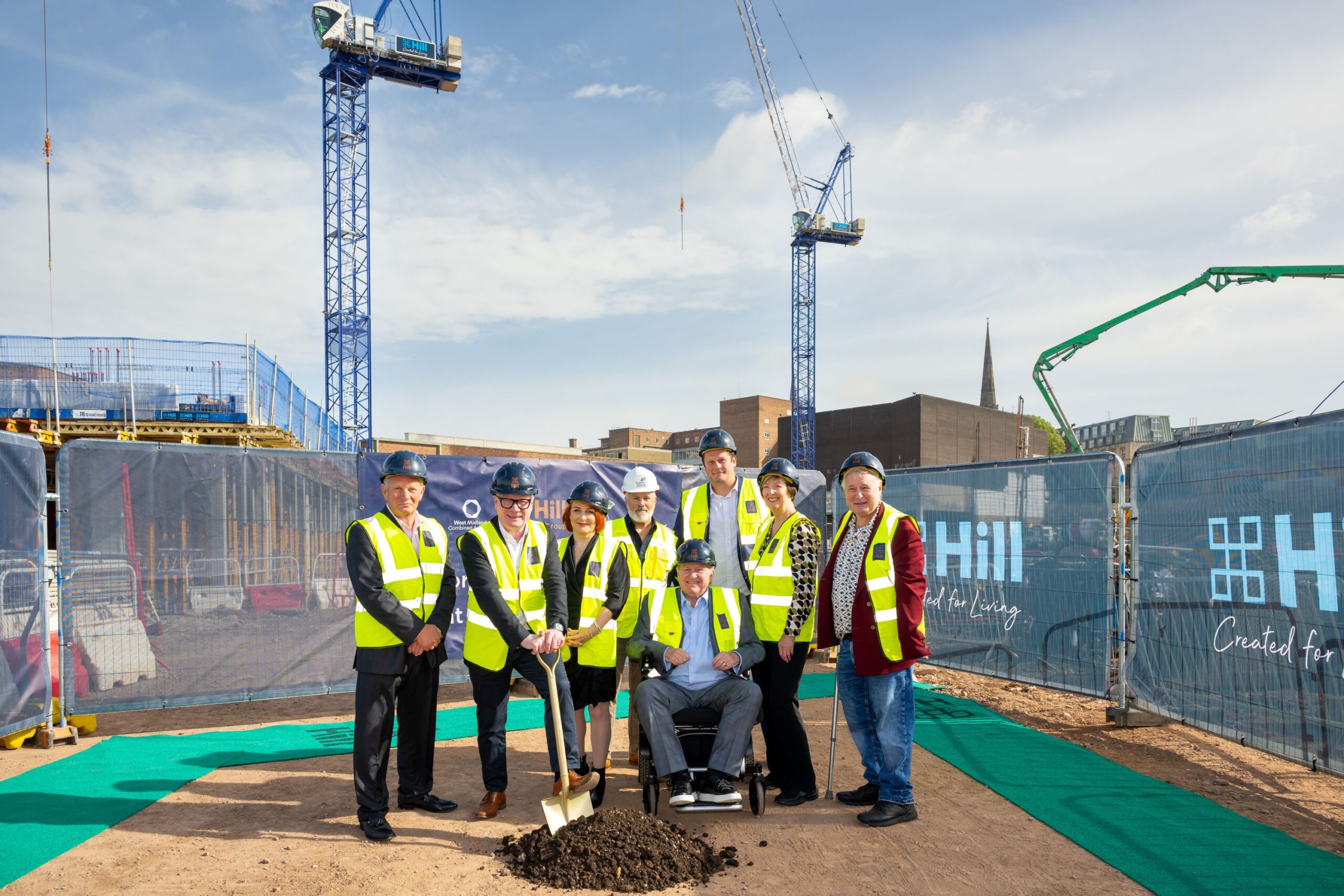
City Centre South reaches major milestone as first tower begins to rise
A major milestone has been reached at Coventry's transformational City Centre South regeneration project developed by The Hill Group, with the first tower now rising from the ground following the completion of demolition and extensive groundworks across the site....
New Forest District Council’s strategy puts prevention at the heart of tackling homelessness in the district
New Forest District Council (NFDC) has launched a strategy to prevent homelessness, support people at risk, and help residents find secure accommodation. The Homelessness and Rough Sleeping Strategy sets out NFDC’s priorities for tackling homelessness and...