
HS2 Bridges the Gap
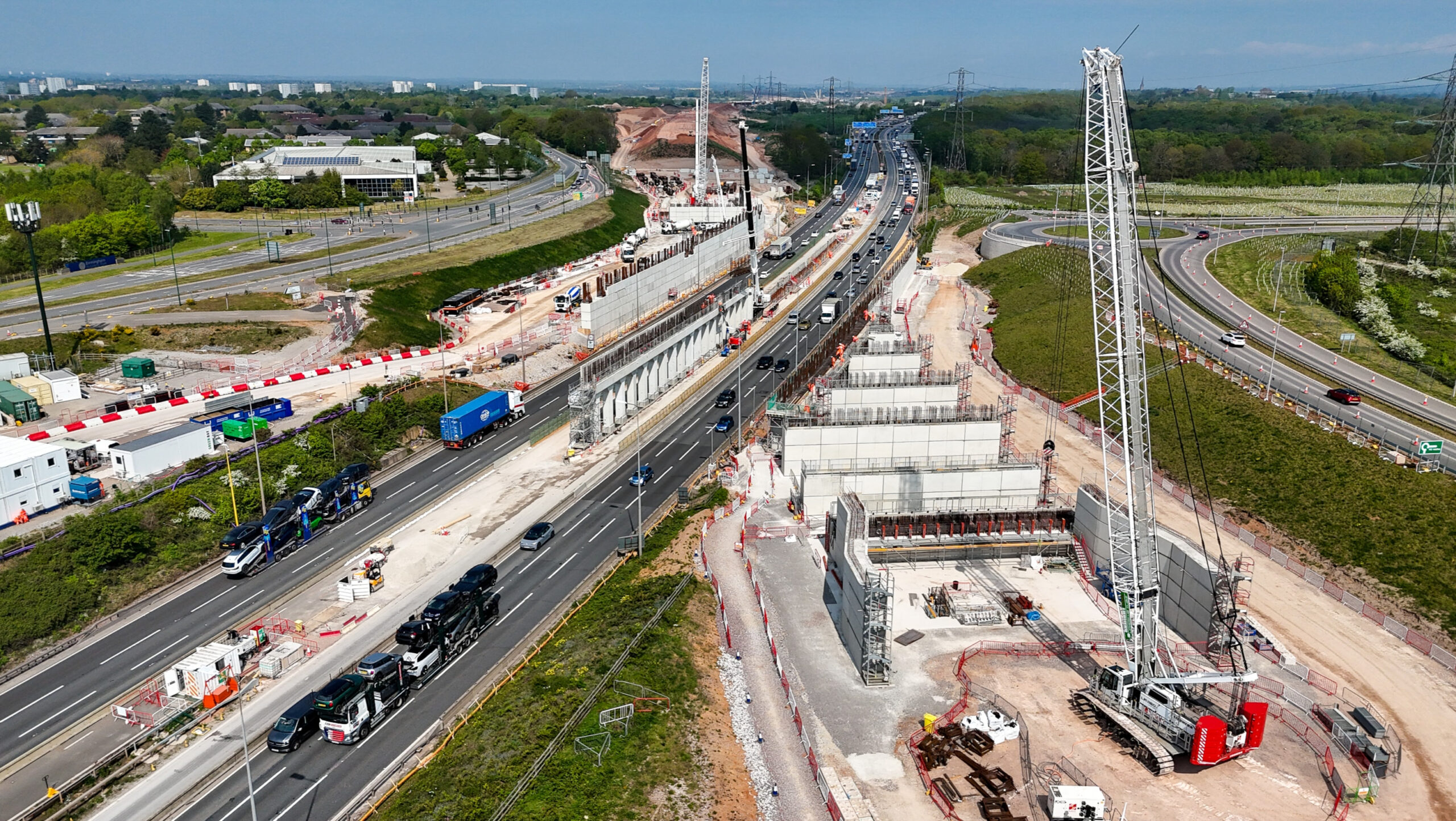
The construction of major viaducts across some of the Midlands' busiest motorway corridors represents another significant stage in the delivery of HS2, as the project continues to transition from preparatory activity to the installation of permanent railway infrastructure. New structures spanning the M6, M42 and M6 Toll will form a vital part of the high-speed rail route […]
Aug 14, 2026
The construction of major viaducts across some of the Midlands' busiest motorway corridors represents another significant stage in the delivery of HS2, as the project continues to transition from preparatory activity to the installation of permanent railway infrastructure. New structures spanning the M6, M42 and M6 Toll will form a vital part of the high-speed rail route between London and Birmingham, demonstrating both the scale of the engineering challenge and the innovative methods being employed to deliver it.
Among the most prominent elements of the programme are a substantial twin box structure over the M42, extensions to the Water Orton viaducts and the construction of the M6 South Viaduct West. Together, these structures will carry high-speed services through the West Midlands while maintaining the operation of key transport routes that serve Birmingham Airport, the NEC and surrounding economic centres. According to HS2 Ltd, the work has been carefully coordinated with delivery partners and stakeholders to reduce disruption wherever possible.
A defining feature of the programme is the emphasis on modern construction techniques. Rather than relying solely on traditional methods, engineers are increasingly using off-site manufacturing and modular assembly processes. Components are constructed away from the motorway network before being transported and installed in carefully planned operations. Research from the Institution of Civil Engineers indicates that modern methods of construction can improve efficiency, enhance safety and reduce disruption to surrounding communities, making them particularly well suited to complex infrastructure schemes. This approach is evident across the HS2 route, where several structures have been designed to be assembled beside carriageways before being moved into position.
Oliver Shore, Project Director at Balfour Beatty VINCI, highlighted the importance of innovation in the delivery process. He explained: "Engineering innovations and extensive planning have played a major role in our approach to this vast programme of work, above the M6 and M42, and we've made every effort to minimise impacts for motorists and communities." His comments reflect a broader industry trend towards combining advanced engineering techniques with detailed logistical planning to reduce the effects of major infrastructure projects on the public.
The approach has also been welcomed by National Highways. Ian Doust, Head of Network Planning and Development, noted: "A key priority for us is minimising disruption for those who use our roads, so we welcome the measures being taken by HS2 and their partners to reduce the impact of this huge infrastructure project on road users." The collaboration between transport authorities and construction partners demonstrates how major infrastructure projects increasingly depend on integrated planning to balance construction demands with the needs of existing transport networks.
The viaduct works build on earlier engineering achievements delivered along the route, including the successful movement of a viaduct into position above a live motorway. Such operations have showcased the capabilities of modern bridge construction techniques and provided valuable experience for subsequent phases of work. Agnes Usciak, Senior Project Manager at HS2 Ltd, observed: "The progress we're making on the viaducts and structures next to the M6 and the M42 is already clear to see, and we'll start bridging the gaps above the carriageways."
Beyond the visible construction activity, the wider HS2 programme continues to progress across hundreds of active sites. Work remains under way on tunnels, stations, bridges and railway systems, all contributing to the development of a network designed to increase rail capacity and improve connectivity. Data from HS2 Ltd shows that the railway has been planned not only to reduce journey times but also to create additional space on existing rail corridors for local passenger services and freight movements, supporting long-term economic growth and transport resilience.
As these major structures take shape above the motorway network, they provide a clear illustration of the ambition behind Britain's new high-speed railway. More importantly, they demonstrate how large-scale infrastructure projects are increasingly combining engineering innovation, collaborative planning and modern construction methods to deliver complex schemes while limiting disruption to the communities they serve.
Sponsored Advert

Related Posts
Printing the Future
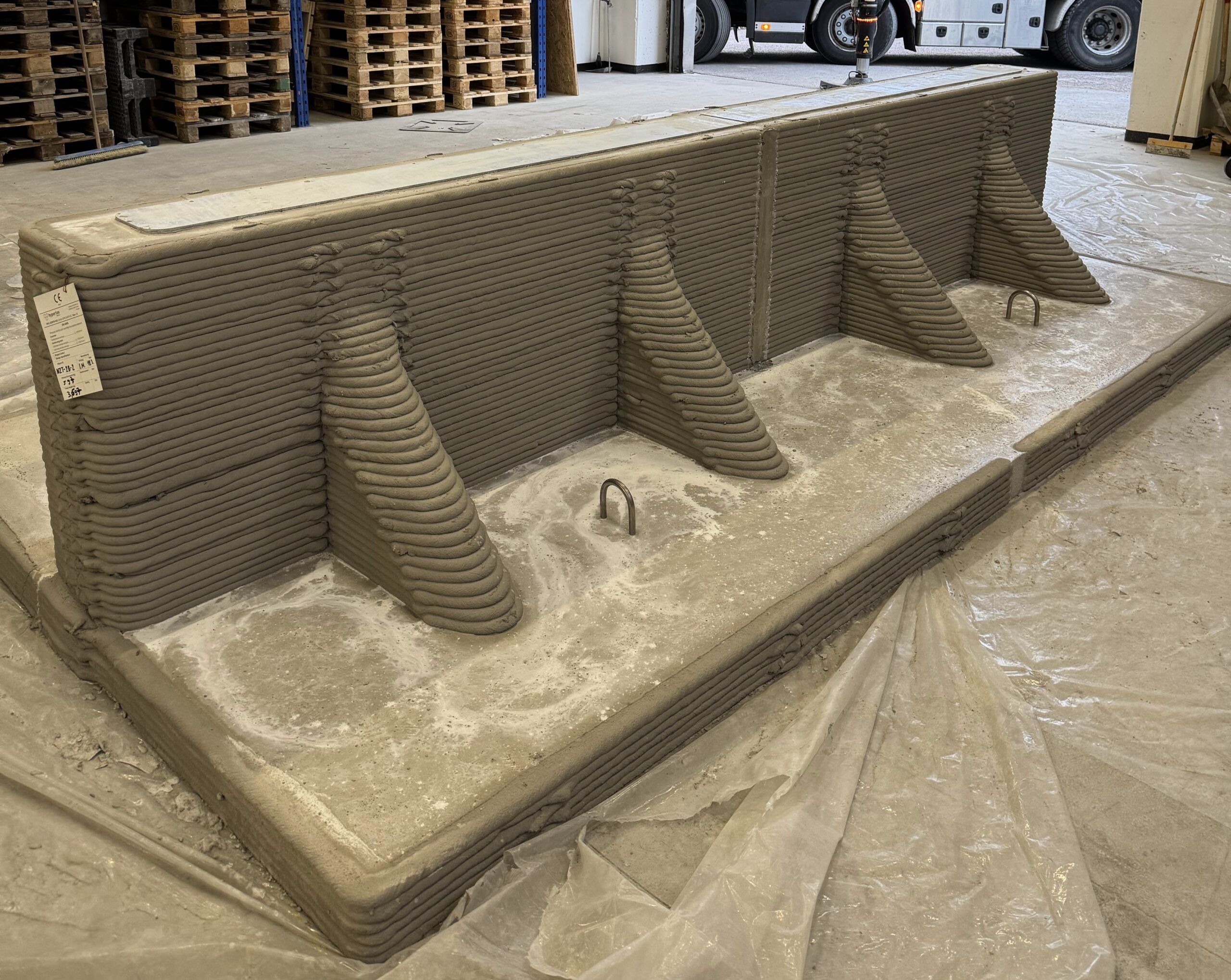
As the construction industry works towards lower carbon delivery and greater efficiency, 3D printed concrete is beginning to move from experimental research into live infrastructure projects. The technology is now being used on major UK schemes, highlighting how...
Cutting Dust Risks
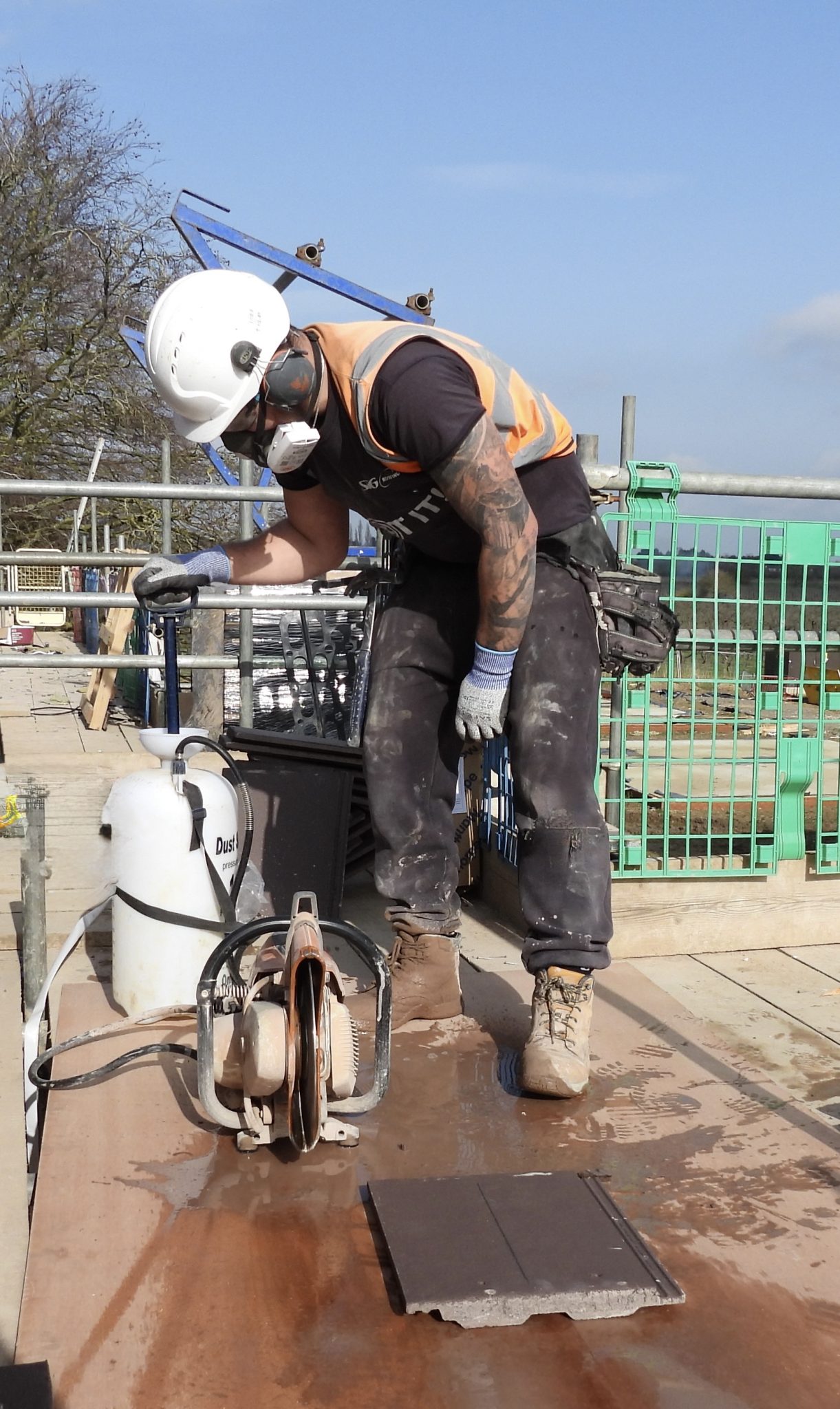
The National Federation of Roofing Contractors (NFRC) has launched a major new awareness campaign aimed at tackling one of the construction industry’s most serious long-term health risks, respirable crystalline silica dust. The federation’s new “Cut the Dust”...

Public Investment Driving Wigan Affordable Homes
Government investment continues to play a critical role in addressing England's housing shortage, and a newly approved affordable housing development in Wigan demonstrates how public funding is helping unlock brownfield regeneration projects across the...