
From Shed to Specified Building: The garden room boom reshaping residential construction
For years the garden building sat at the bottom of the construction hierarchy. It was a shed, a summerhouse, somewhere to keep the mower and shelter from a shower. The expectations were modest and so was the build. That picture has changed, and anyone working in residential construction or the building supply chain should take […]
Jun 24, 2026
For years the garden building sat at the bottom of the construction hierarchy. It was a shed, a summerhouse, somewhere to keep the mower and shelter from a shower. The expectations were modest and so was the build. That picture has changed, and anyone working in residential construction or the building supply chain should take note of how far it has moved.
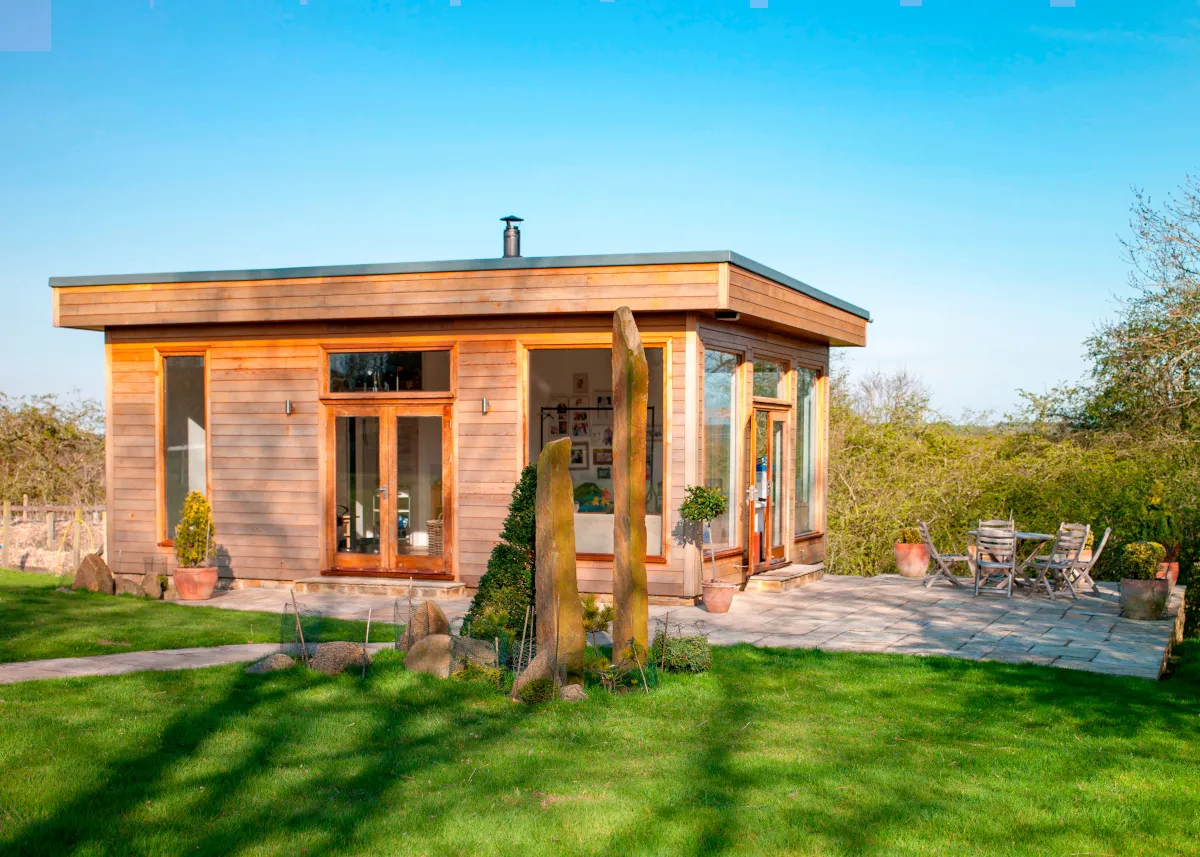
The garden building has become a properly specified structure. Buyers now expect insulation, double glazing, a laid foundation, heating and a finish that holds up for decades rather than a few damp seasons. What was once an afterthought at the end of the garden is increasingly a small permanent building, designed and constructed to standards that would not look out of place on a domestic extension.
Built like a building, not bolted together like a kit
The clearest sign of this shift is in how these structures are made. The better end of the market has moved away from flat-pack timber kits towards engineered, often factory-built units with insulated timber-frame walls, breathable membranes, proper damp-proofing and electrics installed to regulation.
Many are produced off site and assembled on a prepared base in a matter of days, an approach that shares plenty with the methods used in modular housing, where controlled factory conditions improve quality and cut waste compared with building everything in the open. Beneath the speed of assembly sits the part that still demands proper construction: groundworks, a level and well-drained base, and services incorporated to regulation standards.
That matters for builders and specifiers because the questions clients ask have changed. They want to know U-values, not just dimensions. They ask whether the building can be used in January as comfortably as in July, how long it will realistically last, and where it sits with planning. Most garden buildings in England fall under permitted development and avoid a full application, but the conditions catch people out.
Anything within two metres of a boundary is limited to 2.5 metres in height, no outbuilding can cover more than half the land around the original house, and once a room passes roughly 15 to 30 square metres or is used for sleeping, building regulations come into play. A structure that answers those questions well commands a very different price from a shed, and rightly so.
A high-value segment, not a seasonal one
The numbers behind the trend are substantial. AMA Research and Barbour ABI report a recovery of more than 20 per cent in the value of the UK domestic garden buildings market since 2020, with garden rooms singled out as a high-value segment defined by premium features and year-round use. The same analysis points to a steady shift towards insulated buildings designed for use in every season, alongside rising demand for upgraded specification and greater customisation.
Several forces sit behind this. Home and hybrid working created lasting demand for dedicated space away from the main house. The cost and upheaval of moving has pushed more households towards improving what they already own. Similarly, a broader appetite for outdoor living has made the garden a place to work, train and relax rather than simply to look at.
Smaller gardens and higher house prices only sharpen the appeal of adding usable space without the cost and disruption of an extension. For the construction sector, that adds up to a maturing, higher-spec product category rather than a passing fashion.
The rise of the purpose-built studio
One of the more interesting developments is the growth of garden buildings designed around a single, demanding use. A home gym needs a particular floor build-up and ventilation. A music room needs acoustic treatment. A garden office needs data and daylight. These are no longer generic boxes adapted after the fact; they are specified from the outset for the job they have to do.
Golf is a good example of the specialist end. A simulator studio has to accommodate a high ceiling, controlled lighting and enough swing clearance, which places real demands on the building rather than the kit inside it. Firms working at this end design the structure around that brief from the outset. In partnership with Green Retreats, Golf Swing Systems builds garden golf studios specified for year-round use, with the layout and insulation settled around the equipment before a base is laid. The firm quotes a 25 to 30 year life for the result, which points to where the market is heading: buildings engineered for a defined purpose, to a standard that justifies the cost.
For builders and developers, this specialist demand is worth understanding. A client commissioning a high-spec studio is buying a small building project, with groundworks, services and a structure that has to perform in use. The detailing matters, because a simulator room or a gym puts loads, moisture and heat into a space that a standard garden office never has to deal with. The supply chain that can meet that brief, rather than supplying a generic unit, is the one that captures the value.
Specified to last is the real story
Underneath the design trends sits a more important point about quality and longevity. A garden building put up cheaply might need replacing two or three times in the life of a well-built one. Each replacement carries its own materials, transport and waste.
A structure built once, to a proper specification, avoids all of that, which is why durability has become part of the sustainability conversation rather than a separate entity. It also changes the maintenance picture, since a building made from treated timber and quality finishes asks far less of its owner over the years than a thin shell that needs constant attention.
This connects to the wider shift in the industry, where attention has moved beyond operational energy towards the whole life of a building and the materials that go into it, a theme explored in Design & Build UK's coverage of the route to Net Zero. The logic that applies to a house also applies, in miniature, to a garden room.
A small project worth taking seriously
A building specified to last decades, insulated to keep running costs and emissions low, and made from materials chosen with their full impact in mind, is simply a better building. The takeaway for the sector is therefore straightforward. The garden building has graduated from the bottom of the market to a category with real standards, real value and real engineering behind it. Treating it as a small but proper construction project, rather than a product off a shelf, is the way to meet what clients now expect and to make the most of one of residential construction's quietly growing markets.
Featured Image source: Deposit photos
Sponsored Advert

Related Posts

Developer shows support for St Austell school
Cornwall’s biggest housebuilder has donated £2,000 to supporters of a special school near St Austell. The donation from Persimmon Homes to Friends of Doubletrees School in St Blazey comes from the developer’s Community Champions programme that sees £700,000 donated to...
City Centre South reaches major milestone as first tower begins to rise
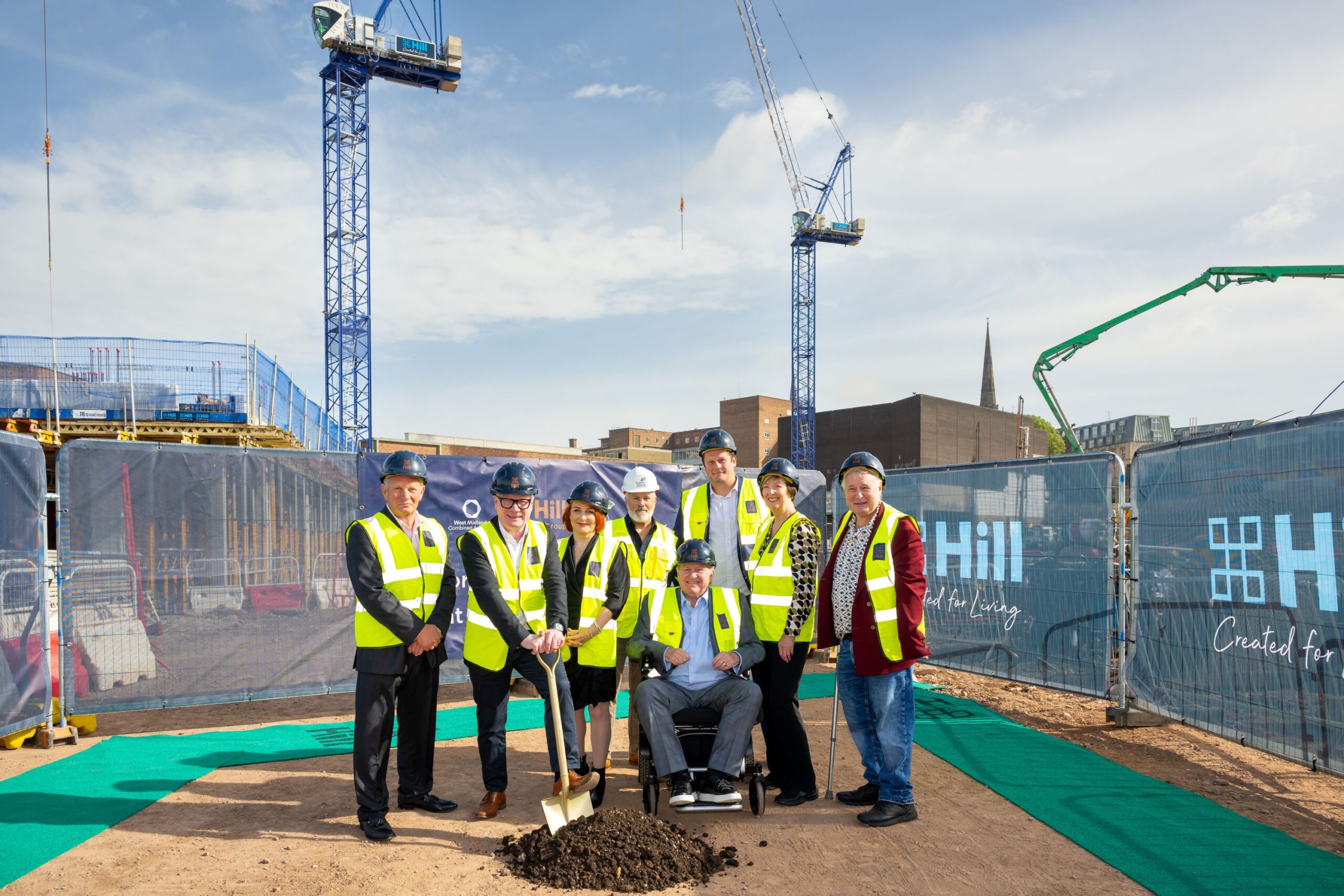
A major milestone has been reached at Coventry's transformational City Centre South regeneration project developed by The Hill Group, with the first tower now rising from the ground following the completion of demolition and extensive groundworks across the site....

New Forest District Council’s strategy puts prevention at the heart of tackling homelessness in the district
New Forest District Council (NFDC) has launched a strategy to prevent homelessness, support people at risk, and help residents find secure accommodation. The Homelessness and Rough Sleeping Strategy sets out NFDC’s priorities for tackling homelessness and...