
The Importance of Keeping Up to Date in Construction Laws
The evolving nature of construction laws Construction laws are constantly evolving and being updated to address new challenges and issues in the industry. As new technologies and construction methods emerge, regulations must adapt to ensure the safety and well-being of workers and the public. By staying up to date with these changes, professionals in the […]

Oct 3, 2024
The evolving nature of construction laws
Construction laws are constantly evolving and being updated to address new challenges and issues in the industry. As new technologies and construction methods emerge, regulations must adapt to ensure the safety and well-being of workers and the public. By staying up to date with these changes, professionals in the construction industry can ensure they are following the most current guidelines and standards.
Additionally, changes in construction laws can also impact the way projects are planned, designed, and executed. For example, new environmental regulations may require the use of sustainable materials or the implementation of green building practices. By staying informed about these changes, professionals can make informed decisions that align with legal requirements and industry best practices.
Ensuring legal compliance and avoiding penalties
One of the primary reasons for keeping up to date with construction laws is to ensure legal compliance and avoid penalties. Construction projects are subject to numerous regulations and failure to comply with these laws can result in fines, delays, and even legal disputes. By staying informed about the latest laws and regulations, professionals can take proactive measures to meet all legal requirements and minimize the risk of penalties.
Furthermore, staying updated with construction laws allows professionals to adhere to ethical standards and maintain a positive reputation in the industry. Clients, stakeholders, and regulatory authorities expect construction professionals to conduct their work in a lawful and responsible manner. By staying informed and compliant, professionals can build trust and credibility with their clients and stakeholders.
Protecting the rights and interests of all parties involved
Construction laws are designed to protect the rights and interests of all parties involved in a construction project. This includes contractors, subcontractors, workers, property owners, and other stakeholders. By staying updated with construction laws, professionals can ensure that they are aware of their rights and responsibilities, as well as the rights of others.
For example, construction laws may define payment terms, dispute resolution mechanisms, and other contractual obligations. By understanding these laws, professionals can negotiate fair contracts and protect themselves from potential disputes or legal issues. Staying informed about construction laws also allows professionals to advocate for their rights and interests, ensuring they are treated fairly and equitably in all aspects of their work.
Minimizing risks and liability
Construction projects involve inherent risks, and staying updated with construction laws is essential for minimising these risks and liability. By understanding the legal requirements and safety regulations, professionals can implement appropriate risk management strategies and ensure the safety of workers and the public.
For instance, construction laws may require the use of specific safety equipment, adherence to certain building codes, and compliance with occupational health and safety standards. By staying informed about these laws, professionals can identify and address potential hazards, implement necessary safety measures, and minimise the risk of accidents, injuries, and legal liabilities.
Maintaining a competitive edge in the industry
In the highly competitive construction industry, staying updated with construction laws can provide a significant advantage. Professionals who are knowledgeable about the latest regulations and industry trends can adapt their practices and strategies to meet changing market demands. By staying informed, professionals can identify new opportunities, anticipate potential challenges, and make informed decisions that give them a competitive edge. For example, being aware of new energy efficiency regulations may allow professionals to offer sustainable solutions that are in high demand. Additionally, staying updated with construction laws can help professionals stay ahead of their competitors by demonstrating their commitment to legal compliance, quality, and professionalism.
Related Posts

Warm Homes Bill Transforming British Housing
The Warm Homes Bill represents a £15 billion investment and one of the most significant policy interventions in the built environment in a generation. As implementation gathers pace across the UK, the programme is expected to play a central role in...
Bridgwater’s Flood Resilience
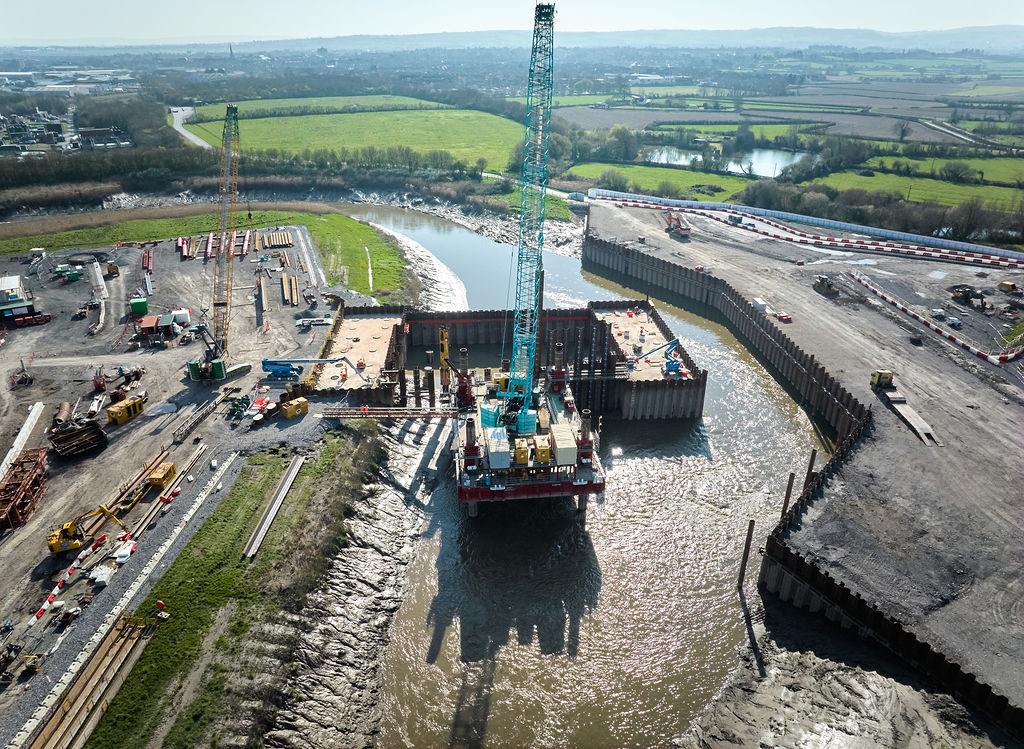
Bridgwater sits along the River Parrett estuary, around 17 kilometres upstream of the Severn Estuary. As one of the lowest and flattest regions in the country, it is particularly vulnerable to flooding. Today, around 11,300 homes, representing 60% of the...

Restoring Swindon’s Historic Baths
In the heart of Swindon’s Railway Village, the Grade II star listed Health Hydro has entered a new chapter in its long and distinctive history, reflecting both heritage conservation and modern adaptation. First opened in 1891 as the Great Western Railway Medical Fund...