
“Silica is the biggest risk to construction workers after asbestos”, says new MP backed report
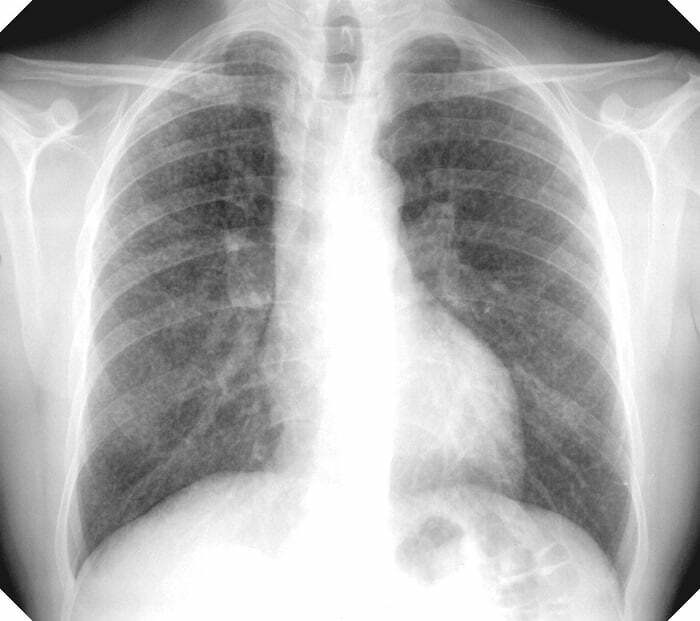
An independent group of MPs have highlighted the risks of silica dust in the workplace, calling for measures to be taken to reduce exposure. A report, based off a six-month inquiry and published by the All-Party Parliamentary Group (APPG), made a set of recommendations to tackle silicosis; a common occupational lung disease caused by […]
Mar 5, 2020
An independent group of MPs have highlighted the risks of silica dust in the workplace, calling for measures to be taken to reduce exposure.
A report, based off a six-month inquiry and published by the All-Party Parliamentary Group (APPG), made a set of recommendations to tackle silicosis; a common occupational lung disease caused by respirable crystalline silica (RCS). Amongst others, one suggestion was to halve the workplace exposure limit (WEL) of silica dust to 0.05mg/m3, and to introduce monitoring requirements to ensure workers are not exposed to above the limit.
According to the NHS website, silica is a substance naturally found in certain types of stone, rock, and sand. When worked on, these materials can produce a fine, easily inhalable dust that can eventually scar and inflame lung tissue; causing a disease known as silicosis. This can then increase the risks of other conditions such as kidney disease, and Chronic Obstructive Pulmonary Disease (COPD).
Another recommendation was a targeted industry awareness campaign for those at risk of developing silicosis, as well as an NHS screening programme for potentially exposed workers.
Jim Shannon, MP and Chair of APPG for Respiratory Health said: “The potential impact of silicosis is largely ignored by the media and the public. We are delighted that those who responded so generously to our call for evidence were able to offer crucial insight and opinion into the causes, treatment and management and most importantly the prevention of the disease.”
The report states that of the 2 million people working in the UK construction industry, an estimated 600,000 are exposed to silica. Even more shockingly, nearly 800 people in the UK alone die annually from lung cancer caused by silica exposure at work.
Despite the figures, it claims that the scale of the problem in the UK is unknown due to under-reporting, poor diagnostic tools, and a widespread lack of understanding from workers and employers. This then branches down to inaccurate diagnosis from GP’s, as those presenting their breathing problems won’t always link their symptoms to their occupation.
Patrick Heath-Lay, CEO of not-for-profit finance firm, BC&E said: “The aim of this report is to start a long-overdue conversation among and between Government, Parliament, health bodies and the construction industry about how to tackle this entirely preventable, often fatal, condition.”
He also stated that construction workers are 100 times more likely to die from a preventable occupational disease than from an accident.
“We also know that approximately 12,000 deaths in the industry each year are linked to exposure to dust and chemicals.”, he continues.The report adds that the cost to the NHS from respiratory disorders is around £10 billion; with 700,000 annual hospital admissions for lung disease and 4000 annual deaths from COPD.
Related Posts

New 66-bed care home to be built in popular Essex town following land sale
Specialist business property adviser, Christie & Co, has announced the sale of a care development site on London Road in Basildon, Essex. The site was identified by the specialist care developer, Aspire-LPP Limited, as having suitability for care usage. The...

Watson transforms derelict Pit Pony Inn site into 22 affordable homes in Wigan
Regeneration specialist Watson has unlocked the redevelopment of the former Pit Pony Inn site in Ashton-in-Makerfield, transforming a long-vacant brownfield site into a sustainable residential development that delivers 22 affordable homes and lasting social value for...
£8.9m upgrade to improve river water quality in South Yorkshire completes
Yorkshire Water has successfully completed an £8.9m investment to upgrade Ingbirchworth and Hoylandswaine wastewater treatment sites in South Yorkshire to improve water quality in both the river Don and Banks Bottom Dike. These improvement works are successfully...