
Promoting Inclusivity- Ensuring Accessibility for Disabled Workers in the Construction Industry
The inclusion of disabled workers might not always be at the forefront of discussions in the construction industry as strength and physical abilities are often seen as essential. However, creating an environment that welcomes and supports disabled individuals not only aligns with legal obligations but also enriches the industry. But just how can construction companies […]

Jul 8, 2024
The inclusion of disabled workers might not always be at the forefront of discussions in the construction industry as strength and physical abilities are often seen as essential. However, creating an environment that welcomes and supports disabled individuals not only aligns with legal obligations but also enriches the industry. But just how can construction companies can ensure accessibility and support for disabled workers?
Despite progress in diversity and inclusion initiatives, statistics from the Chartered Institute of Building (CIOB) reveal that disabled workers constitute only 6% of the construction workforce. This stark underrepresentation underscores the need for proactive measures to make the industry more inclusive.
The Equality Act 2010 stands as a cornerstone in protecting the rights of disabled individuals in the workplace. Under this legislation, employers are prohibited from discriminating against disabled workers and are obligated to provide reasonable accommodations to ensure equitable treatment.
Creating an inclusive environment in the construction industry involves several key strategies. Firstly, construction companies must be willing to provide reasonable accommodations to enable disabled workers to carry out their duties effectively. This may involve offering specialised equipment or adjusting work processes and schedules. Additionally, ensuring that the recruitment process is accessible to disabled candidates is crucial, requiring the elimination of barriers from job postings to interview procedures.
Moreover, disability awareness training plays a vital role in promoting empathy and understanding among employees, empowering them to support colleagues with diverse needs effectively. Furthermore, the duty to make reasonable adjustments compels employers to proactively remove barriers hindering the full participation of disabled workers, which may involve modifying physical infrastructure, equipment, or work processes to accommodate individual needs.
While prioritising inclusivity, companies must not compromise on health and safety standards. Adjustments should be made to accommodate disabled workers without compromising their safety or that of others. Employers are encouraged to consult with disabled employees to identify and address any potential risks.
It's crucial to challenge stereotypes and misconceptions surrounding disabilities. Disabilities encompass a wide range of conditions, from physical impairments to mental health challenges. Employers must recognise the diverse abilities and talents that disabled individuals bring to the table.
Employers may benefit from seeking specialist advice, such as consulting with occupational health services or medical professionals, to better understand the specific needs of their disabled employees. This proactive approach demonstrates a commitment to promoting inclusivity and ensuring the well-being of all workers. In conclusion, promoting accessibility and inclusivity in the construction industry is not only a legal imperative but also a moral obligation. By embracing diversity and actively supporting disabled workers, construction companies can harness the full potential of their workforce while fostering a culture of respect and inclusion. Building a truly inclusive industry requires concerted effort and commitment, but the rewards are immeasurable. By adopting these strategies, construction companies can pave the way for a more diverse, equitable, and thriving workforce, where every individual has the opportunity to contribute and succeed.
Related Posts
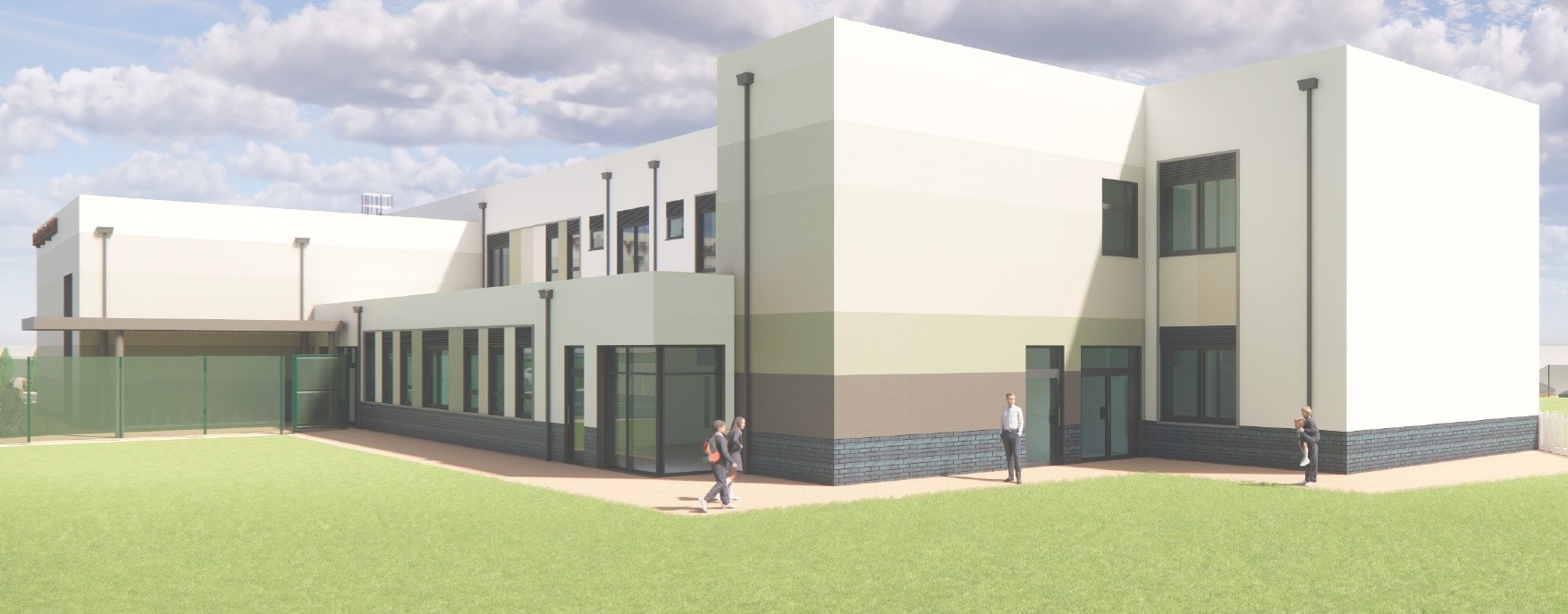
Willmott Dixon starts £11.8m Garendon Primary School for Leicestershire County Council
Willmott Dixon has started construction of Garendon Primary School, an £11.8m, 420-place primary school for Leicestershire County Council in west Loughborough, the first to be delivered to a standardised school design the contractor created specifically for the...

NHBC and Alvesta Living Group confirm continued partnership
The National House-Building Council (NHBC) and Alvesta Living Group are pleased to confirm their close commercial partnership. As market leaders in UK single-family rental (SFR) homes, Alvesta Living Group is a vertically integrated residential investment and...

Industry First: Huws Gray Partnership Solutions Launches Game-Changing Specials Management Hub
Huws Gray Partnership Solutions has launched a pioneering new Specials Management Hub, designed to transform the way housing providers, local authorities and contractors source specialist and hard-to-find building products. Currently being rolled out across Huws Gray...