
Growth in housebuilding cost inflation slows further reports BCIS
Annual housebuilding cost inflation, as measured by the BCIS Private Housing Construction Price Index (PHCPI), continued to cool in 1Q 2024, standing at 0.7%, down from a peak of 15.3% in 2Q 2022. On a quarterly basis, this represented a 0.3% increase compared with 4Q 2023, according to the latest data from the Building Cost […]
Jul 9, 2024
Annual housebuilding cost inflation, as measured by the BCIS Private Housing Construction Price Index (PHCPI), continued to cool in 1Q 2024, standing at 0.7%, down from a peak of 15.3% in 2Q 2022.
On a quarterly basis, this represented a 0.3% increase compared with 4Q 2023, according to the latest data from the Building Cost Information Service (BCIS).
The BCIS Private Housing Construction Price Index is a measure of the prices paid by housebuilders for constructing houses and flats, including the changes in the costs of direct and subcontracted labour, plant and materials, overheads and profit attributed to the construction, but excluding the cost of land and other development costs and any development profit.
A range of small, medium and national housebuilders are surveyed each quarter to identify the change in prices paid for constructing a standard house type. Contributors are also asked to provide their expectations for price changes in the following quarter and the mean of these projections is published as a forecast for the current period.
BCIS chief data officer Karl Horton said: “Among the comments from respondents was the suggestion that while the costs and supply of materials are relatively stable, the planning process and getting approvals remains one of the largest obstacles.
“Both Labour and the Conservatives have pledged to address housing shortages through planning reforms.
“Although headline inflation has eased, with the Bank of England’s base rate held at 5.25% and household budgets still stretched, residential output is likely to be impacted for some time.”
In 1Q 2024, 43% of respondents pointed to an increase in materials’ costs being behind the overall increase. A total of 29% said they had experienced increased labour costs and 14% reported both materials and labour costs rising.
A small minority, 5%, reported a decrease in materials costs. A further 5% said they had experienced lower labour costs. An increase in subcontractors’ costs was also reported by 5%.
The BCIS Materials Cost Index showed an increase of 0.3% in the first quarter of 2024, following two quarters of declining growth. The BCIS Labour Cost Index saw 1.5% quarterly growth in 1Q 2024.
Looking to 2Q 2024, the housebuilders surveyed said they expected to see another slight increase in costs, an average of 0.3%.
If you are a housebuilder and would like to participate in the BCIS PHCPI quarterly survey, please contact contactbcis@bcis.co.uk For more information about BCIS, please visit: www.bcis.co.uk.
Related Posts
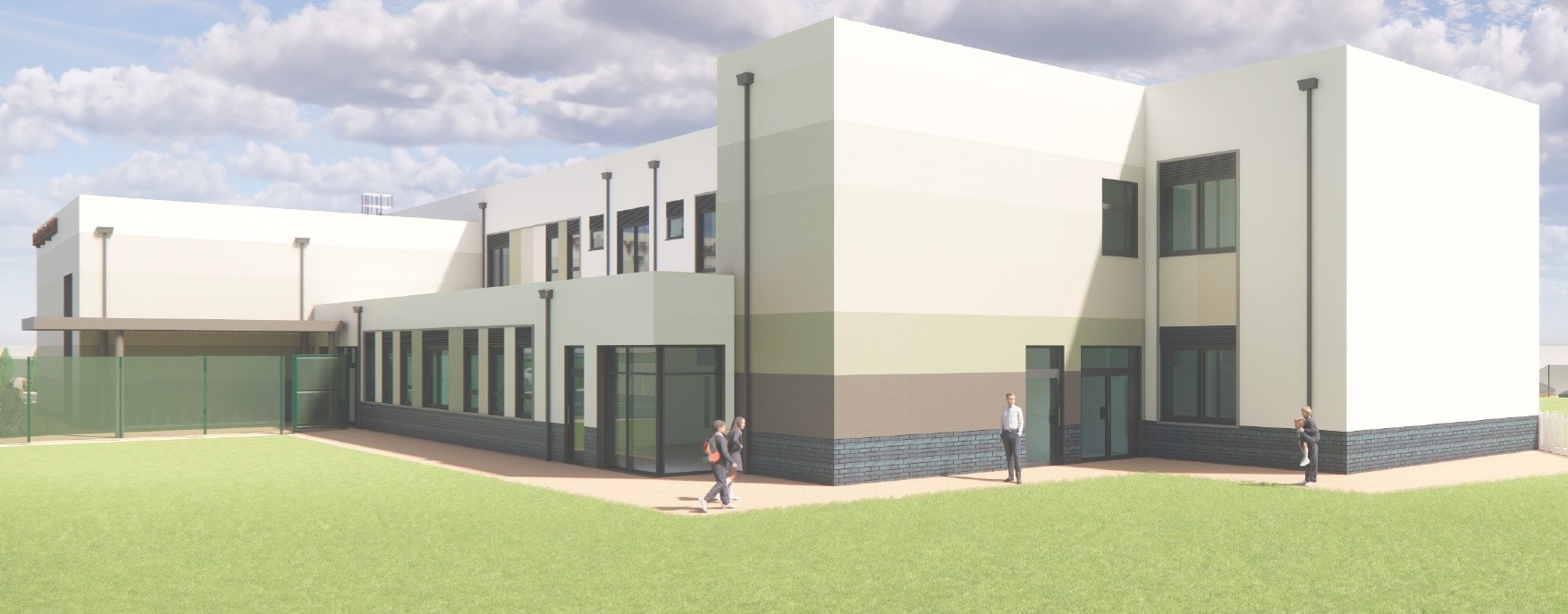
Willmott Dixon starts £11.8m Garendon Primary School for Leicestershire County Council
Willmott Dixon has started construction of Garendon Primary School, an £11.8m, 420-place primary school for Leicestershire County Council in west Loughborough, the first to be delivered to a standardised school design the contractor created specifically for the...
NHBC and Alvesta Living Group confirm continued partnership
The National House-Building Council (NHBC) and Alvesta Living Group are pleased to confirm their close commercial partnership. As market leaders in UK single-family rental (SFR) homes, Alvesta Living Group is a vertically integrated residential investment and...

Industry First: Huws Gray Partnership Solutions Launches Game-Changing Specials Management Hub
Huws Gray Partnership Solutions has launched a pioneering new Specials Management Hub, designed to transform the way housing providers, local authorities and contractors source specialist and hard-to-find building products. Currently being rolled out across Huws Gray...