
Top award for high tech system promoting wildlife around roads in Devon and Cornwall
Images from space and computer wizardry have helped Highways England develop a ground breaking approach to promoting wildlife habitat along trunk roads in Devon and Cornwall. Satellite photos and earth observation techniques have been combined with Highways England wildlife data in a software system that can predict areas where biodiversity schemes will pack the biggest […]
Sep 20, 2018
Images from space and computer wizardry have helped Highways England develop a ground breaking approach to promoting wildlife habitat along trunk roads in Devon and Cornwall.
Satellite photos and earth observation techniques have been combined with Highways England wildlife data in a software system that can predict areas where biodiversity schemes will pack the biggest punch.
And the system is proving so successful it was nominated for an environmental award from CIRIA Big Diversity Challenge.
Highways England’s ecologist, Leo Gubert, explained:
“It sounds complicated but essentially the software crunches our data on habitats and species together with information on the surrounding landscape to find the best locations for habitat creation and enhancement schemes as well as landscape management projects.
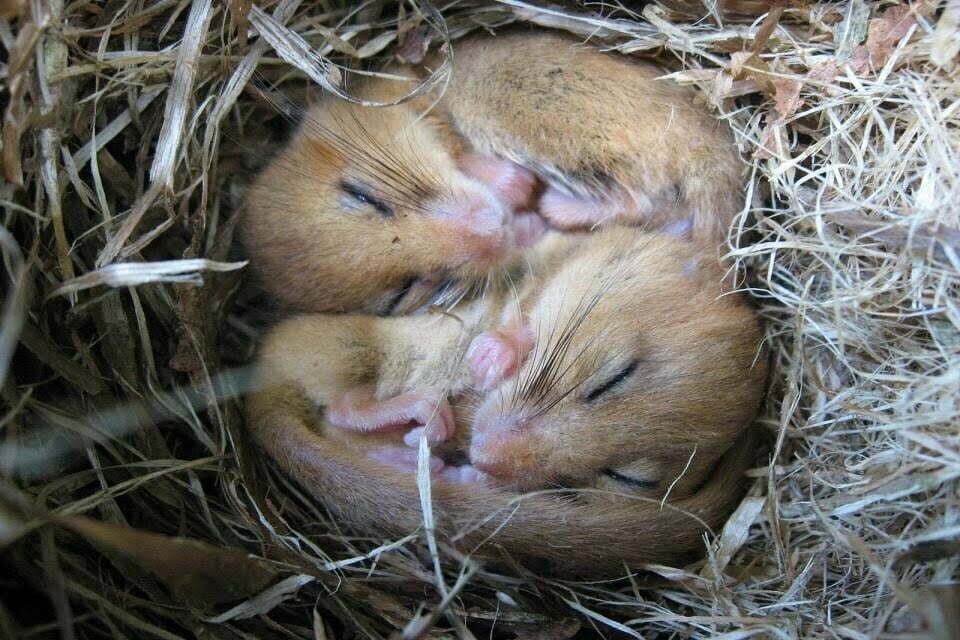
“We look at the populations and habitat connectivity for wildlife such as dormice, bats, endangered butterflies and also species of plants that are of conservation priority and then decide which schemes to prioritise.”
The system has been used to deliver a vast woodland and hedgerow connectivity scheme at 21 sites along the A30 and A38 in Devon and Cornwall with 10,000 native trees and shrubs filling or reducing gaps in hedgerow and woodland along the roadside. In total the planting has connected over 105 miles of habitat on the verges and wider landscape adjacent to the roads.
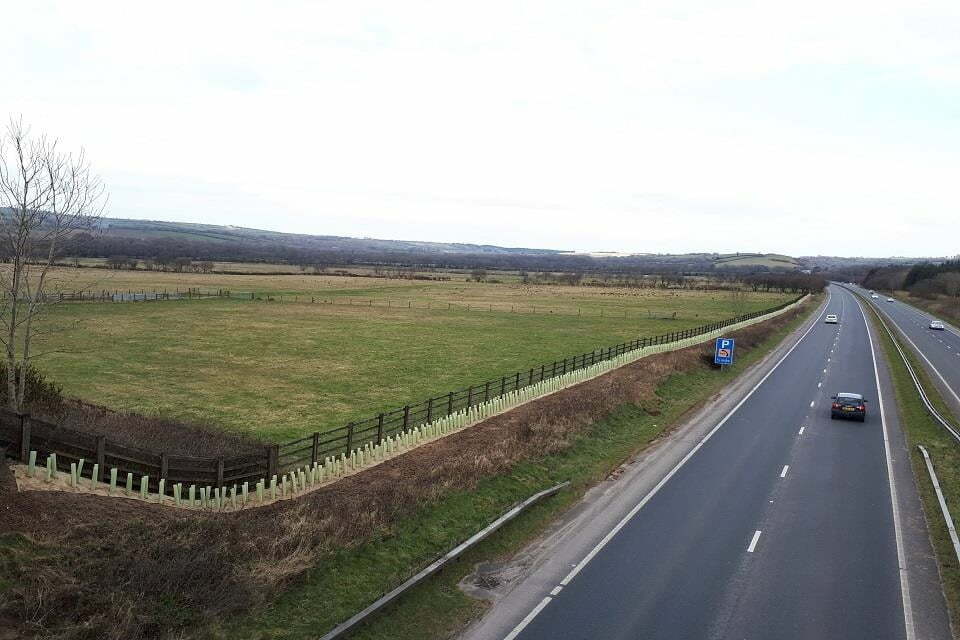
Last winter a heathland creation scheme was also undertaken, with a vision to connect existing heathland on important sites such as Dartmoor, Bodmin and Goss Moor.
A planting scheme promoting habitat for the super rare marsh fritillary butterfly in the Goss Moor area in Cornwall has also been delivered.
The system which was developed in conjunction with CEH (Centre of Ecology and Hydrology) picked up second place in the medium/large scale award at the Ciria BIG Biodiversity Challenge ceremony at the Royal College of Physicians in London..
Leo added: “I am delighted we have been shortlisted amongst so many other projects. It is a perfect example of how new technologies can be a powerful tool in the decision making process maximising the output of our efforts to enhance biodiversity on our road verges.
“The result can be wonderful benefits for biodiversity on the land we manage while providing a real sense of achievement for everyone involved.”
Highways England is committed to a national Biodiversity Plan which is being supported by a £30 million national investment programme over the next five years.
The plan recognises road verges and associated land can be managed to provide areas of habitat, relatively free from human access that may be scarce in the surrounding landscape.
These road verges can also be used to connect fragmented habitats in the wider landscape, enabling plant and animal populations to move and interact, and so become stronger and more resilient.
Related Posts
Construction Needs Confidence
By Lee Ryan, Editor, Design & Build UK Keir Starmer's resignation as Prime Minister has triggered another period of political uncertainty, but for the construction industry the question is not simply who walks into Downing Street next. It is whether housing,...
Girls Rise to the Challenge
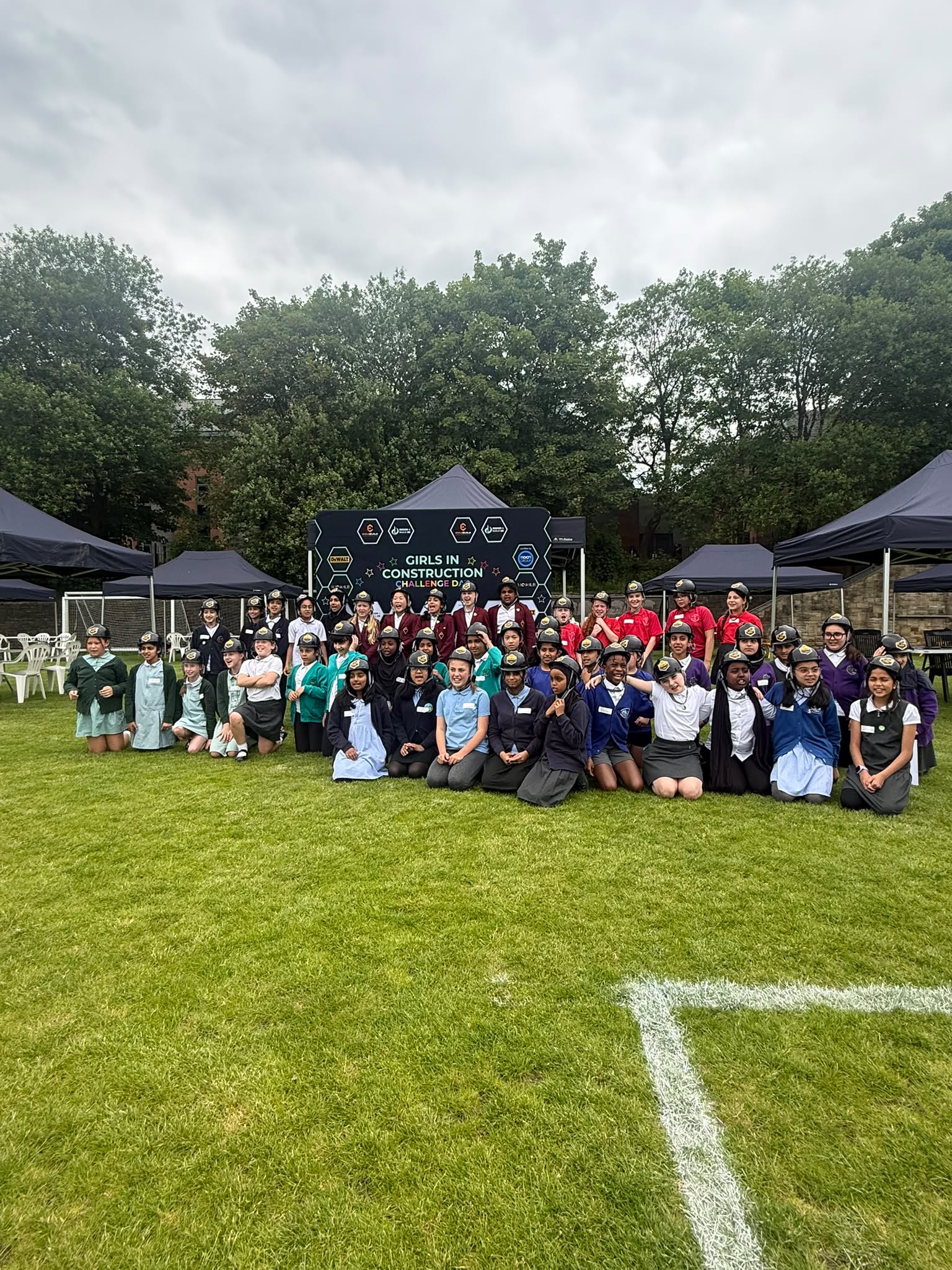
Fifty Year 5 girls from 10 schools across Bolton were introduced to the world of construction this June as they took part in the Girls in Construction Challenge Day, delivered by Michaela Wain and Design & Build UK alongside sponsors NOCN, DEWALT and Huws Gray....
Heatherwick Studio transforms historic London icon, Olympia, into a new cultural neighbourhood
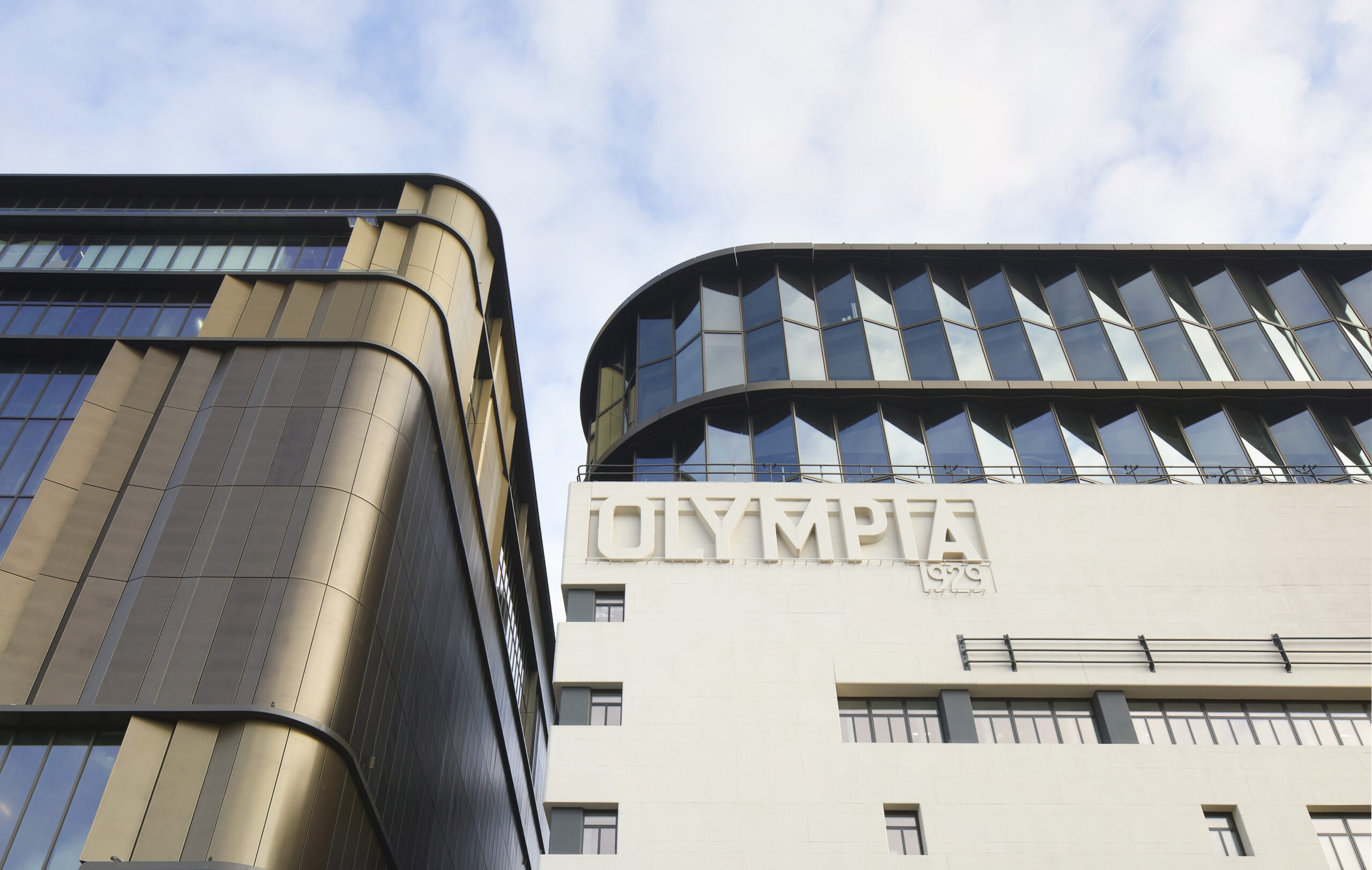
This summer, Heatherwick Studio and SPPARC reveal the first phase of Olympiaʼs transformation from exhibition venue into a new cultural neighbourhood, reimagining one of London's great Victorian public buildings. Originally opened in 1886, Olympia was synonymous with...