
Steps to Create a Diversity Strategy for Construction Companies
Understanding the Importance of Diversity in the Construction Industry Diversity is crucial in the construction industry as it brings together people from different backgrounds, perspectives, and experiences. Construction projects often involve teams with diverse skill sets, and having a diverse workforce can lead to improved problem-solving, innovative ideas, and increased productivity. Additionally, promoting diversity in […]

Apr 22, 2024
Understanding the Importance of Diversity in the Construction Industry
Diversity is crucial in the construction industry as it brings together people from different backgrounds, perspectives, and experiences. Construction projects often involve teams with diverse skill sets, and having a diverse workforce can lead to improved problem-solving, innovative ideas, and increased productivity. Additionally, promoting diversity in construction helps to create equal opportunities for all individuals, regardless of their race, gender, ethnicity, or other factors.
By embracing diversity, construction companies can foster an inclusive and supportive environment that values and respects every employee. This not only enhances employee satisfaction and engagement but also contributes to attracting and retaining top talent in the industry.
Conducting a Diversity Assessment
Before developing a diversity strategy, construction companies should conduct a thorough diversity assessment. This involves evaluating the current state of diversity within the organization, including the representation of different demographic groups at various levels. The assessment can also include analyzing policies, practices, and procedures that may impact diversity and inclusion efforts.
By conducting a diversity assessment, companies can identify gaps, challenges, and areas for improvement. This information serves as a foundation for developing targeted strategies and initiatives that address specific diversity issues within the organization.
Setting Clear Diversity Goals
Once the diversity assessment is complete, construction companies should set clear and measurable diversity goals. These goals should align with the company's overall vision and values, and they should be specific, realistic, and time-bound. Examples of diversity goals in construction may include increasing the representation of underrepresented groups in leadership positions, implementing mentoring programs for diverse employees, or establishing partnerships with organizations that promote diversity in the industry.
Setting clear diversity goals provides a roadmap for the company's diversity strategy and ensures that efforts are focused and measurable. It also helps to create accountability and track progress over time.
Implementing Recruitment and Hiring Practices that Promote Diversity
To create a diverse workforce, construction companies need to implement recruitment and hiring practices that promote diversity. This can include revisiting job descriptions and requirements to eliminate any biases or unnecessary barriers, expanding recruitment efforts to reach diverse talent pools, and implementing diverse interview panels to ensure fair and inclusive selection processes.
Additionally, companies can consider implementing diversity training programs for hiring managers and recruiters to raise awareness about unconscious biases and promote inclusive hiring practices. By actively seeking out and hiring diverse candidates, construction companies can build a stronger and more inclusive workforce.
Creating an Inclusive Work Environment
Creating an inclusive work environment is essential for supporting diversity within construction companies. This involves fostering a culture of respect, openness, and collaboration where all employees feel valued and included. Some strategies for creating an inclusive work environment in construction may include implementing diversity and inclusion training for all employees, promoting employee resource groups that celebrate diversity, and establishing clear policies and procedures that address discrimination and harassment.
Furthermore, construction companies can create opportunities for employee engagement and feedback, such as conducting regular diversity and inclusion surveys or hosting town hall meetings to address concerns and gather suggestions. By creating an inclusive work environment, companies can ensure that diverse employees feel welcome, supported, and empowered to contribute their unique perspectives and talents.
Related Posts
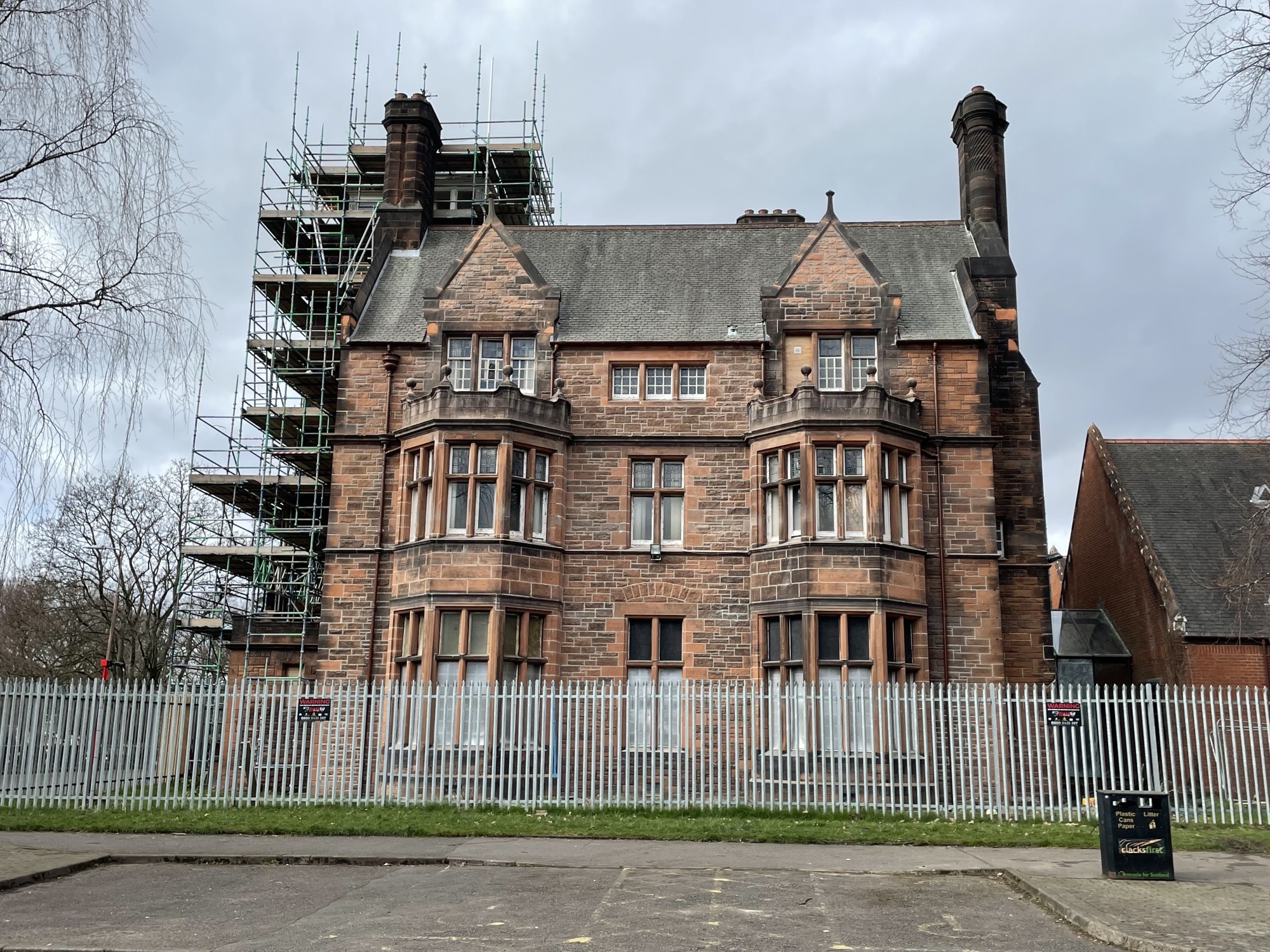
Procast Group kicks off transformation of iconic Greenfield House in Alloa with phase one and two completion
An award-winning principal contractor has completed the initial phases of the transformation of the derelict Greenfield House in Alloa. Hamilton-based firm, Procast Group, has started the restoration of the classic out-of-use manor house in Clackmannanshire in...
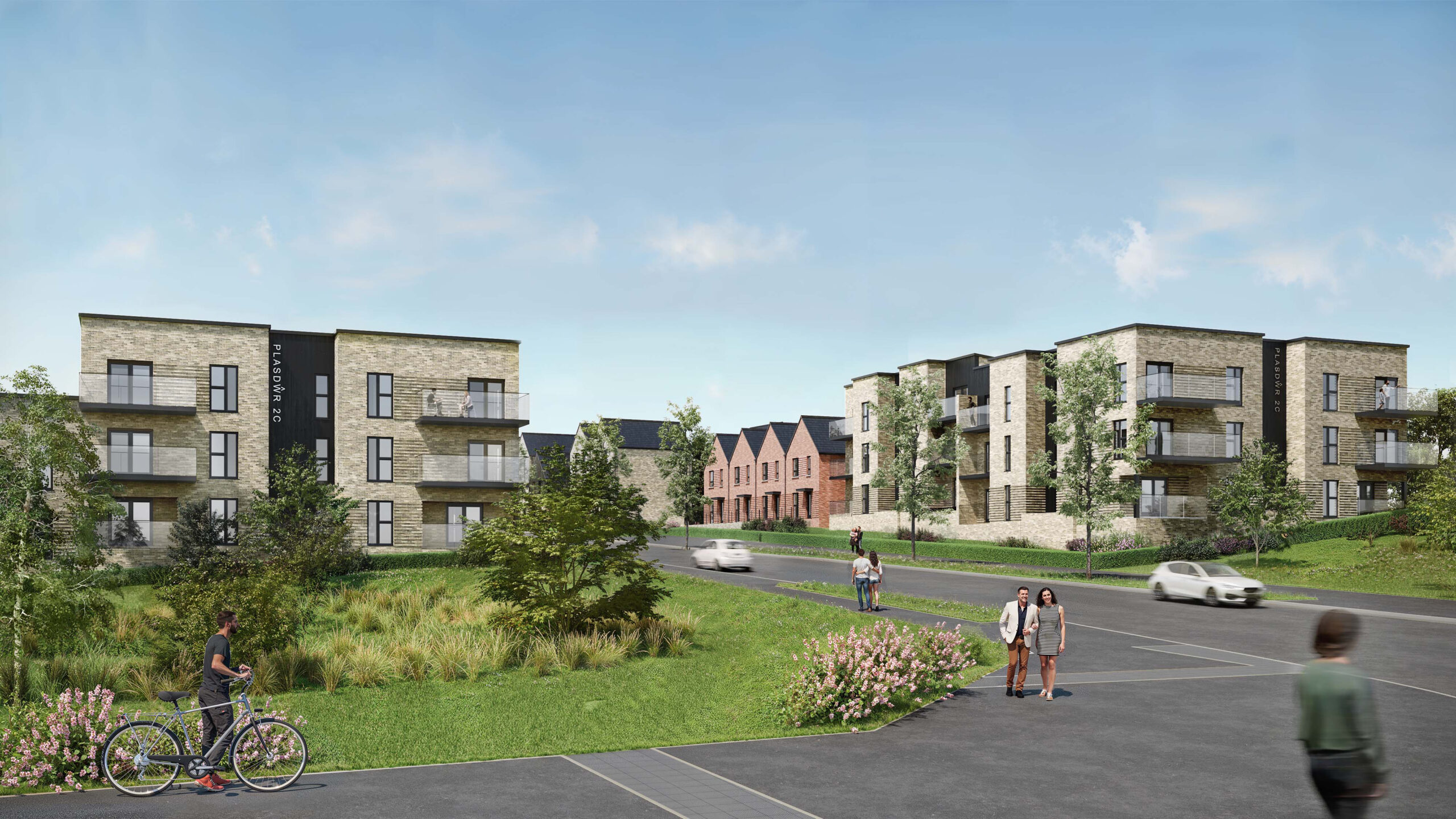
Edenstone Group targets £100m turnover following Tai Derw acquisition
Edenstone Group has revealed ambitious growth plans following the acquisition of Tai Derw Developments Ltd as it targets £100 million turnover by 2028. The deal, agreed at the end of May, follows talks between Edenstone Group executive chairman Martin Taylor and Tai...

Transformational Cambridge East land acquisition to unlock a new community of 10,000+ homes, 9,000 jobs and significant economic growth
Homes England, with its National Housing Bank, and The Hill Group have today completed the acquisition of Cambridge East, a strategic site that will support the delivery of more than 10,000 new homes, thousands of jobs and a thriving new community. The...