
Construction Technology Trends: What’s Next in the Industry
Discover the latest construction technology trends that are shaping the future of the industry and revolutionising the way we build. The Impact of Robotics and Automation in Construction The use of robotics and automation in construction is rapidly increasing, and it is revolutionising the industry. Robots are being used for various tasks, such as bricklaying, […]

Dec 5, 2023
Discover the latest construction technology trends that are shaping the future of the industry and revolutionising the way we build.
The Impact of Robotics and Automation in Construction
The use of robotics and automation in construction is rapidly increasing, and it is revolutionising the industry. Robots are being used for various tasks, such as bricklaying, concrete pouring, and even demolition. These robots are capable of working faster and more accurately than humans, leading to increased productivity and efficiency on construction sites. Automation is also being implemented in construction processes, such as prefabrication and assembly line construction. This reduces the need for manual labour and speeds up the construction process.
Another advantage of robotics and automation in construction is improved safety. Robots can perform dangerous tasks that would otherwise put human workers at risk. They can work in hazardous environments, such as high heights or confined spaces, without the risk of injury. This not only protects workers but also reduces the number of accidents on construction sites.
Furthermore, robotics and automation in construction can result in cost savings. Robots can work around the clock without the need for breaks or rest, leading to faster project completion and reduced labour costs. Additionally, automation can optimise material usage and minimise waste, resulting in cost-efficient construction.
Overall, the impact of robotics and automation in construction is significant. It improves productivity, enhances safety, and reduces costs. As technology continues to advance, we can expect to see even more sophisticated robots and automation systems in the construction industry.
The Rise of 3D Printing in the Construction Industry
3D printing, also known as additive manufacturing, is making its mark in the construction industry. This technology allows for the creation of complex structures and components using a layer-by-layer approach. It offers numerous benefits, including reduced construction time, cost savings, and design flexibility.
One of the key advantages of 3D printing in construction is its ability to accelerate the building process. Traditional construction methods often require time-consuming tasks, such as formwork and scaffolding. With 3D printing, structures can be directly printed, eliminating the need for these intermediate steps. This results in faster construction times and increased efficiency.
Cost savings are another advantage of 3D printing in construction. By using additive manufacturing, the amount of material waste can be significantly reduced. Additionally, 3D printing can eliminate the need for transportation and assembly of prefabricated components, further reducing costs. This technology also allows for the use of sustainable materials, promoting eco-friendly construction practices.
Furthermore, 3D printing offers design flexibility. It enables architects and engineers to create intricate and unique designs that would be difficult to achieve with traditional construction methods. This opens up new possibilities for architectural innovation and creativity.
As the technology continues to advance, 3D printing in the construction industry is expected to become more widespread. It has the potential to revolutionise the way buildings are designed and constructed, offering faster, more cost-effective, and sustainable solutions.
Advancements in Augmented Reality for Construction
Augmented reality (AR) is transforming the construction industry by overlaying digital information onto the real-world environment. This technology provides construction professionals with valuable tools for planning, designing, and executing projects.
One of the key applications of augmented reality in construction is visualisation. With AR, architects and engineers can visualise their designs in a 3D virtual environment, allowing for better communication and collaboration with clients and stakeholders. This enhances the design process and helps identify potential issues or conflicts before construction begins.
AR also enables construction workers to access real-time information and instructions on-site. By wearing AR glasses or using mobile devices, workers can see digital overlays on the physical construction site, providing them with guidance and step-by-step instructions. This reduces errors, improves efficiency, and enhances worker safety.
Furthermore, augmented reality can be used for quality control and inspections. By overlaying digital models onto the physical construction site, inspectors can easily compare the as-built structure with the original design, identifying any deviations or discrepancies. This ensures that the construction meets the required standards and specifications.
As technology continues to advance, we can expect to see even more sophisticated applications of augmented reality in construction. From design and planning to construction and maintenance, AR has the potential to transform the entire construction lifecycle.
The Growing Importance of Drones in Construction
Drones, also known as unmanned aerial vehicles (UAVs), are playing an increasingly important role in the construction industry. These flying devices offer a range of benefits, including improved safety, enhanced surveying and mapping capabilities, and increased efficiency.
One of the key advantages of drones in construction is their ability to access hard-to-reach areas. Drones can easily fly over construction sites, capturing high-resolution images and videos. This allows for better site inspection and monitoring, identifying potential issues or hazards that may not be visible from ground level. Drones can also be used for surveying and mapping, creating accurate 3D models of the construction site.
Drones also improve safety on construction sites by reducing the need for human workers to perform risky tasks. Instead of manually inspecting tall structures or entering confined spaces, drones can be used to collect data and images. This minimises the risk of accidents and injuries, ensuring a safer working environment.
Additionally, drones can increase efficiency in construction projects. They can be used to track progress, monitor productivity, and collect data in real-time. This enables project managers to make informed decisions and adjustments, leading to improved project outcomes and timely completion.
As drone technology continues to advance, we can expect to see even more applications in the construction industry. From site inspections and surveying to monitoring and project management, drones are becoming an essential tool for construction professionals.
The Role of Artificial Intelligence in Construction Project Management
Artificial intelligence (AI) is revolutionising construction project management by automating processes, optimising resource allocation, and improving decision-making. This technology is transforming the way projects are planned, executed, and monitored.
One of the key applications of AI in construction project management is schedule optimisation. By analysing historical data, AI algorithms can predict potential delays, identify critical paths, and optimise project schedules. This allows project managers to make informed decisions and adjustments, ensuring timely project completion.
AI can also optimise resource allocation in construction projects. By analysing data on labour, equipment, and materials, AI algorithms can identify the most efficient allocation of resources. This reduces waste, minimises costs, and maximises productivity.
Furthermore, AI can improve decision-making in construction project management. By analysing large amounts of data, AI algorithms can identify patterns, trends, and potential risks. This enables project managers to make data-driven decisions and mitigate potential issues before they arise. As AI technology continues to advance, we can expect to see even more sophisticated applications in construction project management. From schedule optimisation and resource allocation to risk analysis and predictive analytics, AI has the potential to revolutionise the way construction projects are planned and executed.
Related Posts
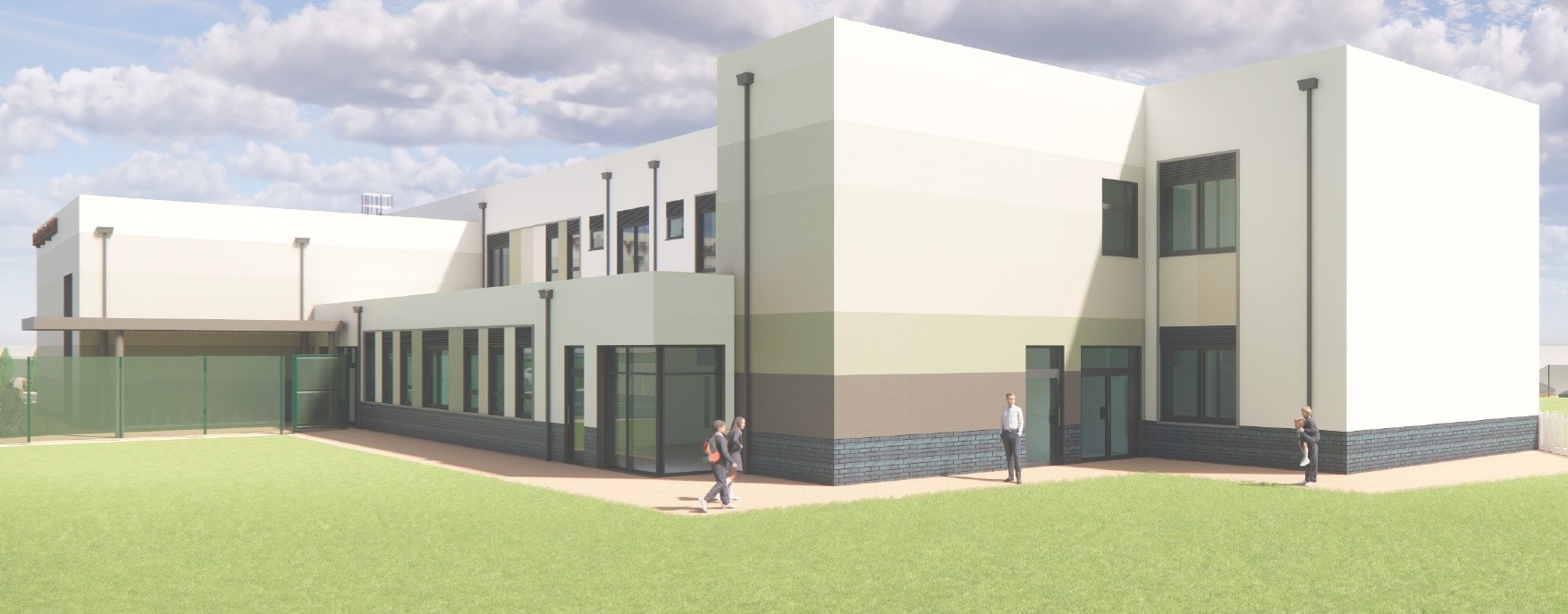
Willmott Dixon starts £11.8m Garendon Primary School for Leicestershire County Council
Willmott Dixon has started construction of Garendon Primary School, an £11.8m, 420-place primary school for Leicestershire County Council in west Loughborough, the first to be delivered to a standardised school design the contractor created specifically for the...
NHBC and Alvesta Living Group confirm continued partnership
The National House-Building Council (NHBC) and Alvesta Living Group are pleased to confirm their close commercial partnership. As market leaders in UK single-family rental (SFR) homes, Alvesta Living Group is a vertically integrated residential investment and...

Industry First: Huws Gray Partnership Solutions Launches Game-Changing Specials Management Hub
Huws Gray Partnership Solutions has launched a pioneering new Specials Management Hub, designed to transform the way housing providers, local authorities and contractors source specialist and hard-to-find building products. Currently being rolled out across Huws Gray...