
HOUSES OF PARLIAMENT RESTORATION A STEP CLOSER AS REVIEW CONCLUDES WORK IS ESSENTIAL AND SETS OUT NEXT STEPS
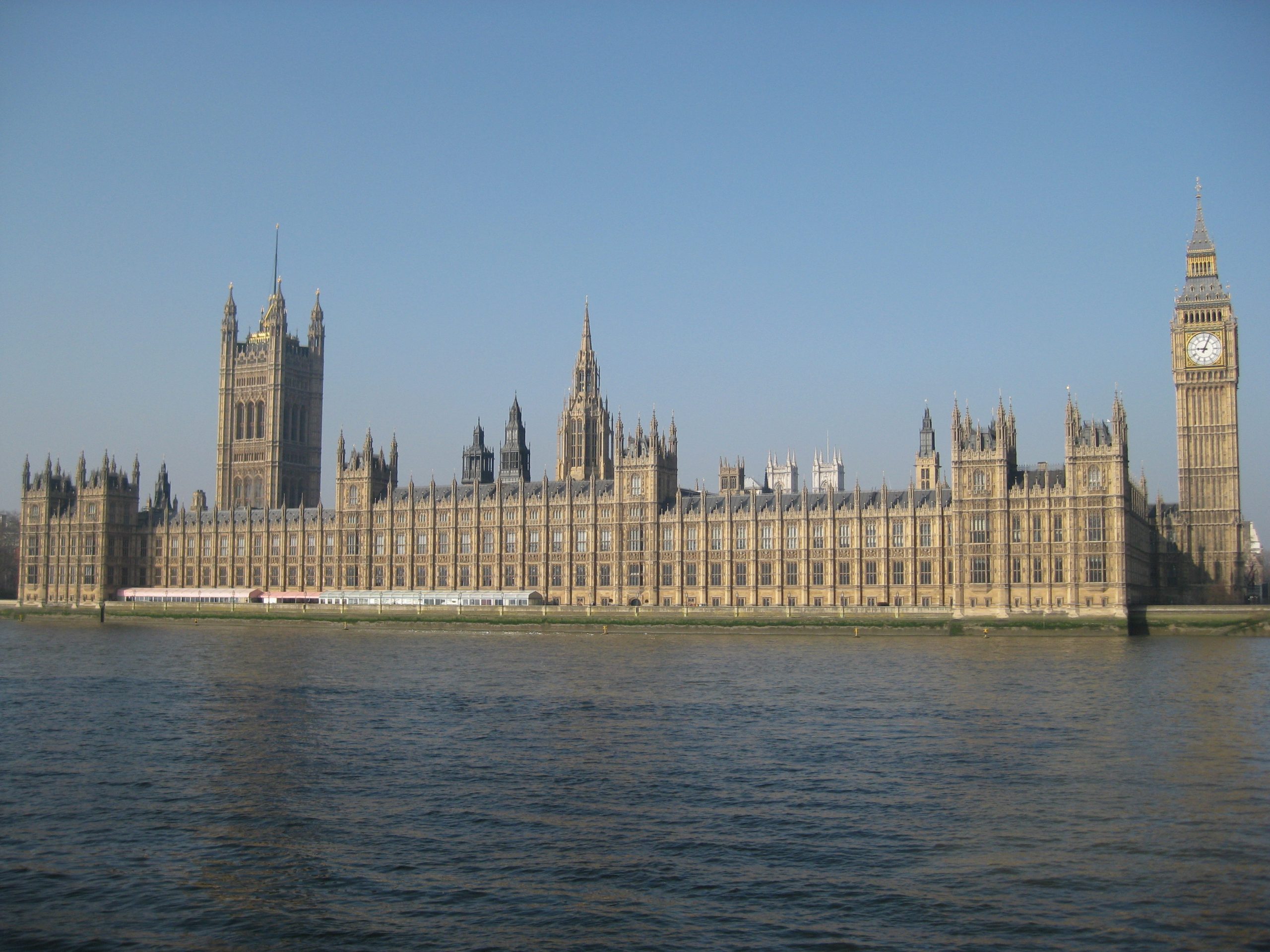
Work to design the complex restoration of the Palace of Westminster will continue with a renewed focus on vital and essential work, after both Houses of Parliament welcomed the publication of a review that underlines the urgent need to restore the building and recommends new approaches for doing so. The review confirms the strategy of […]
Mar 11, 2021
Work to design the complex restoration of the Palace of Westminster will continue with a renewed focus on vital and essential work, after both Houses of Parliament welcomed the publication of a review that underlines the urgent need to restore the building and recommends new approaches for doing so.
The review confirms the strategy of temporarily locating MPs on Parliament’s northern estate, and Peers in temporary accommodation at the QEII Conference Centre, is the best option. It recommends new ways of phasing the restoration work to minimise the time MPs and Peers would spend in temporary accommodation, including accessing the Palace from the river to carry out work.
The project will support the economy with thousands of jobs and apprenticeships across the UK in high-tech industries such as digital design and engineering, as well as traditional crafts including carpentry and stonemasonry.
The 150-year-old building is falling apart faster than it can be fixed, with the cost of maintenance projects and ongoing works recently doubling in just three years to £127m a year in 2018/9.
A comprehensive review was launched last year to provide clarity on the way forward. It looked at all the evidence available, including previous investigations and reports, as well as new evidence from surveys and submissions by expert stakeholders, MPs and Peers.
It found that restoring the building while all MPs and Peers remain on-site would cost billions of pounds more and take decades longer than temporarily moving out while work takes place.
Sarah Johnson, Chief Executive of the Restoration and Renewal Sponsor Body, said:
“The iconic home of Parliament is in urgent need of restoration. The review has found new ways of carrying out the complex project, focused on getting value for money, and we will continue preparing a detailed and costed restoration and renewal plan that will for the first time give Parliament a true sense of the costs and timescales of restoring the Palace of Westminster.”
David Goldstone, Chief Executive of the Restoration and Renewal Delivery Authority, said:
“We are absolutely committed to getting on with the job, making sure we spend money effectively, focusing on the vital and essential work that needs doing to protect and restore the world-famous Palace of Westminster while supporting thousands of jobs nationwide.”
The restoration team will continue to develop a detailed and costed plan, that will for the first time give Parliamentarians estimated costs and designs for a restored Palace of Westminster. This work will include more than 100 investigative surveys, with specialist teams spending thousands of hours analysing the building, including the 1100 rooms and more than 3000 windows. The team will also continue work with Parliament to determine all the functions the building needs to have in future as well as look at vital improvements in areas like accessibility. With 3000 people typically working in and visiting the 150-year-old building every day, there are a huge number of requirements to take into account.
The review makes a series of recommendations aimed at getting value for money and minimising the time all MPs and Peers spend in temporary accommodation, while making sure Parliament is protected for future generations. These include focusing the detailed and costed restoration plan on the essential and vital work that’s needed to restore and protect the building, aimed at keeping costs down wherever possible. This restoration plan will be submitted to Parliament for final consideration.
The programme will also investigate accessing the Palace from the Thames to minimise the time MPs and Peers spend in temporary accommodation, though this period of fully vacating the Palace would be in years, not months. The plan could see a dry dock erected alongside the Palace, giving engineers much better access along the full length of the building.
The review also considered plans for temporary accommodation for MPs, Peers, staff and other users of the building while work takes place. It confirmed that the most secure, cost effective and practical solution is to accommodate MPs on Parliament’s northern estate, and move Peers into temporary accommodation at the QEII Conference Centre.
The restoration programme will now work with Parliament to work out the best way to accommodate MPs on its northern estate. A new, ‘do minimum’ cost effective temporary accommodation option is being developed to consider as one of the options for the QEII Conference Centre. Following engagement with the Commissions of both Houses, the programme has agreed to further test the feasibility of MPs having a continued presence in the Palace of Westminster while restoration work takes place, and this analysis will be incorporated into work to develop the detailed and costed restoration plan. As previously planned, work is expected to begin on the Palace of Westminster in the mid-2020s.
Background Information
The Houses of Parliament Restoration and Renewal Programme also announced today that a major apprentice loan scheme for small and medium construction and heritage businesses across the UK will be created as part of plans to support thousands of jobs and training opportunities. Around 160 apprentices, including engineers, designers, stonemasons, and carpenters, will be employed by the organisations overseeing and delivering the restoration of the Palace of Westminster and loaned to UK businesses working on the complex refurbishment. Dozens of young people from disadvantaged backgrounds in social mobility ‘cold spots’ will also be offered paid internships and placements as part of a partnership with the Social Mobility Foundation charity. The restoration programme is committed to paying at least the voluntary Living Wage - higher than the National Living Wage - to all employees and those employed throughout its supply chain.
See more details on our website here: Shared apprenticeships scheme announced | Restoration and Renewal
Parliaments worldwide have grappled with the issue of restoring historic buildings while balancing the need for Parliamentarians to represent and govern the country effectively. Canada, Austria and the Netherlands all opted for a full decant approach, with Canadian Parliamentarians moving into temporary accommodation for around ten years.
The finding of a period of time spent in temporary accommodation is in line with every previous investigation into restoration and renewal, including the Joint Committee report in 2016 which was subsequently endorsed by Parliament through a vote. The review considered a number of alternatives, including co-locating MPs and Peers on Parliament’s northern estate, and other schemes put forward such as a temporary ‘bubble’ on Horse Guards Parade and a floating Parliament in the river. All were found to be less cost effective or impractical in meeting Parliament’s needs.
Governance
The organisation which will lead the UK’s biggest heritage renovation project, the restoration and renewal of the Palace of Westminster, was launched in April 2020 as an independent body, separate from, but accountable to, Parliament. The Houses of Parliament Restoration and Renewal Sponsor Body has been set up to tackle the work needed to protect the Palace, ensuring it can continue to serve as the home of the UK Parliament in the 21st century and beyond.
The Sponsor Body will set the scope, budget and timescale for the project in response to the requirements of Parliament. It will oversee a Delivery Authority, which will be responsible for developing and delivering the work to the Sponsor Body’s specifications.
Related Posts
RIBA Announces 34 Winners Of The International Awards For Excellence
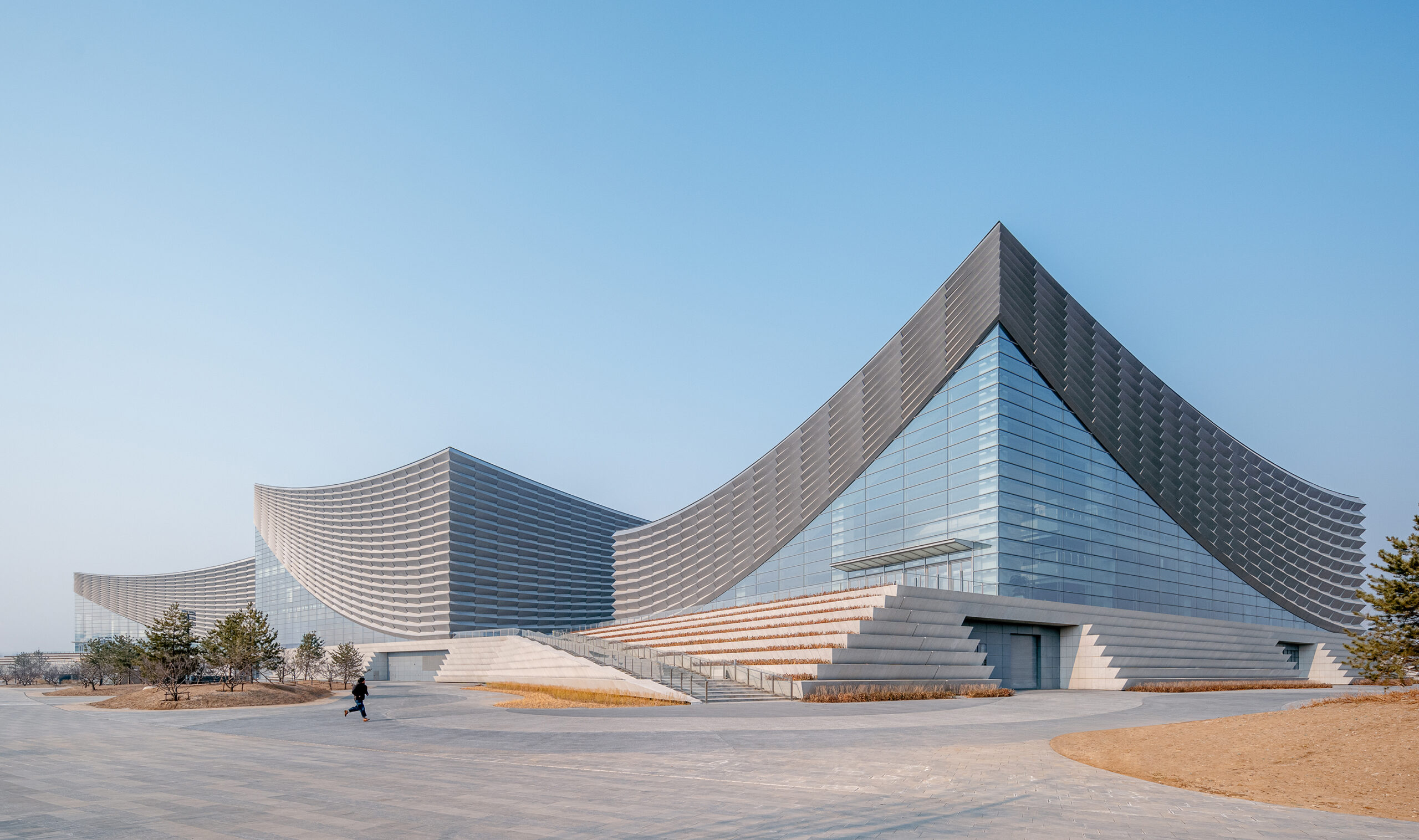
The Royal Institute of British Architects (RIBA) has today announced the 34 winning projects of the RIBA International Awards for Excellence 2026. Recognising inspiring architecture across 15 countries and four continents, this yearʼs cohort responds directly to...
Anwyl Submits Plans For New Homes And Local Centre In Alsager
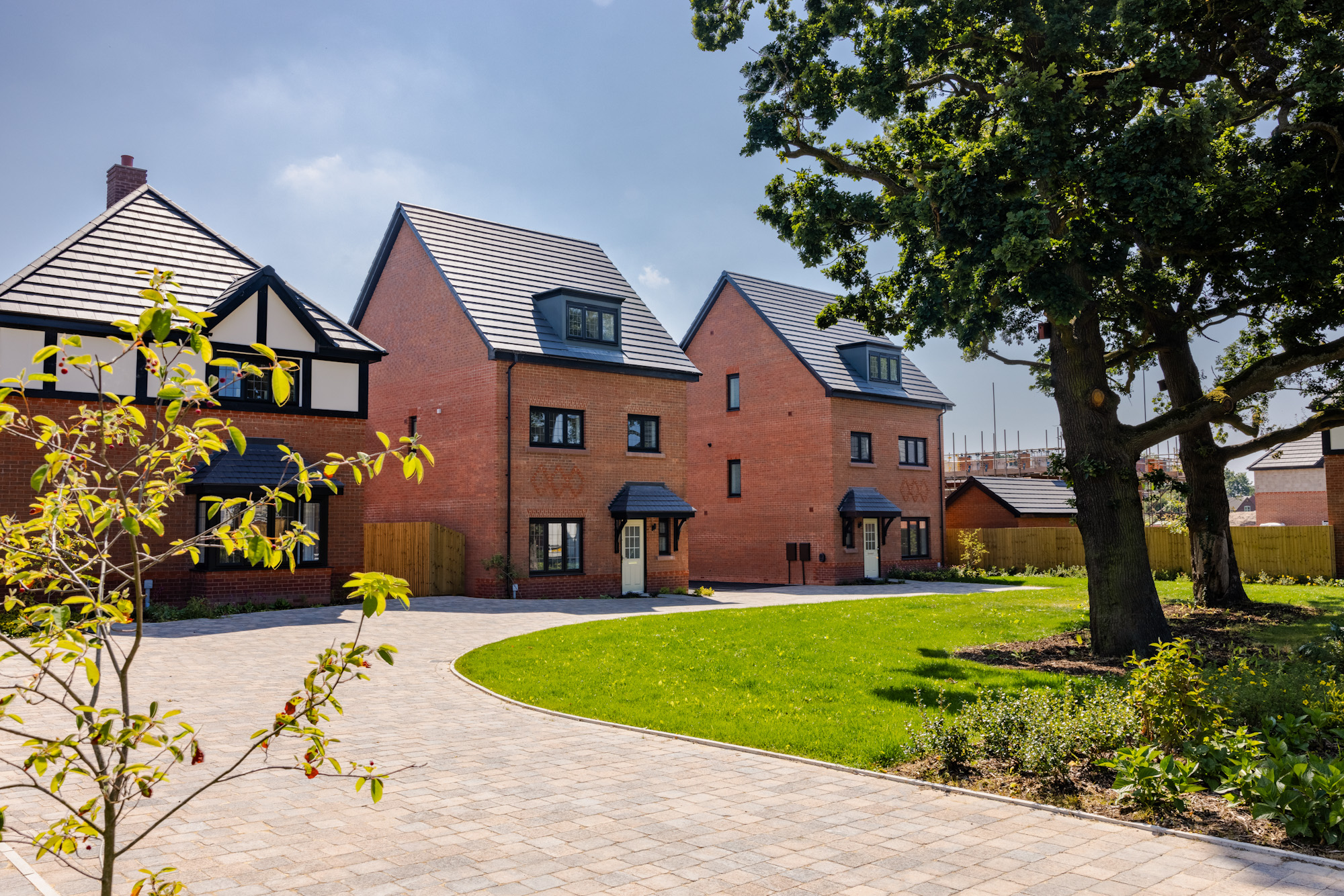
Plans to transform a former quarry site in Alsager into a new neighbourhood featuring homes and community facilities have been submitted. Anwyl Homes has lodged a hybrid planning application with Cheshire East Council for just over 54 acres of land at White Moss...
New active travel bridge for Cardiff by Moxon and Arcadis gets go-ahead
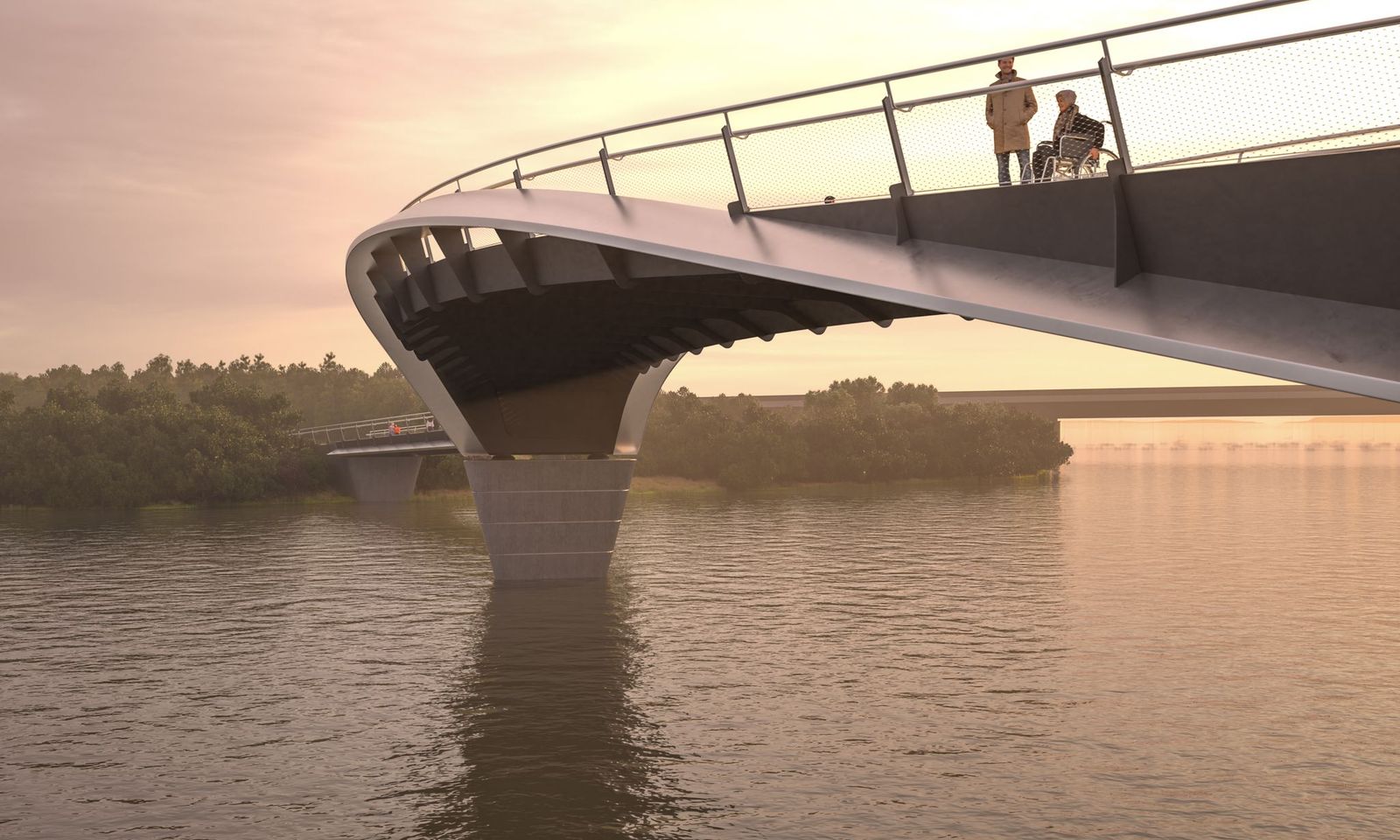
Moxon Architects and Arcadis have been granted planning approval for a new pedestrian and cycle bridge across the River Taff in Cardiff. The 165m-long bridge is part of Cardiff Council’s ambitious Channel View Estate regeneration scheme and will improve connectivity...