
Why conservation craftsmanship matters
Britain’s historic built environment plays a vital role in the national economy, local identity and the construction sector. From cathedrals and civic buildings to country houses and industrial heritage, historic assets require ongoing care, repair and adaptation. According to Historic England’s Heritage Counts programme, the heritage sector supports more than 523,000 jobs in England and […]

Mar 23, 2026
Britain’s historic built environment plays a vital role in the national economy, local identity and the construction sector. From cathedrals and civic buildings to country houses and industrial heritage, historic assets require ongoing care, repair and adaptation. According to Historic England’s Heritage Counts programme, the heritage sector supports more than 523,000 jobs in England and contributes approximately £44.9bn in gross value added to the economy. Despite this scale and importance, the specialist skills required to maintain and conserve historic buildings are under increasing pressure.
Heritage construction relies on highly developed craft skills that cannot be easily replaced or rapidly trained. Traditional trades such as stonemasonry, joinery, lead working and terracotta conservation demand years of experience and a deep understanding of historic materials, construction techniques and conservation principles. Adrian Attwood ACR, executive director and chairman of specialist conservation contractor DBR, warned: “Britain’s heritage craftspeople are disappearing. We’re talking about the stonemasons who can work at 315 feet up Elizabeth Tower, the joiners who understand three-century-old timber joints, and the skilled conservators who can restore terracotta without destroying it. They’re retiring, and we’re simply not training enough young people to replace them.”
A skilled stonemason, for example, typically requires five years to reach competence and up to ten years to achieve mastery. This includes the ability to read historic fabric, select appropriate materials, apply traditional methods and meet modern safety and performance requirements, often while working in complex and sensitive environments. Attwood emphasised that these abilities cannot be accelerated or substituted, explaining: “You cannot replicate this knowledge with technology or learn it from textbooks. It requires years of hands-on training under experienced craftspeople passing down centuries of accumulated wisdom.”
Skills shortages are increasingly visible across the sector. Historic England’s employment data shows a continuing decline in specialist heritage staffing, particularly within local authorities. In 2024, there were an estimated 768 conservation, archaeology and historic environment employees working in local government, representing a reduction of around 3% since 2020. This erosion of professional capacity has implications not only for planning and regulation, but also for the wider construction supply chain that depends on informed oversight and specialist delivery.
The impact of diminishing craft capacity is felt directly on site. A limited pool of skilled contractors can lead to extended project programmes, increased costs and greater risk to historic fabric. In conservation work, poor execution cannot simply be rectified at a later stage; inappropriate materials or techniques can cause long-term damage that undermines both significance and structural integrity. Attwood highlighted the commercial consequences, noting: “The shortage of accomplished professionals has direct implications for project delivery. Extended timelines, escalating costs and a shrinking pool of capable contractors mean that specifications are only as effective as the skilled hands available to carry them out.”
High-profile conservation projects illustrate the level of expertise required. The restoration of Elizabeth Tower, completed in 2022, involved nearly 3,000 individual stone interventions carried out at height using traditional lime mortars and carefully sourced limestone. Reflecting on the project, Attwood explained: “Our team had to source appropriate limestone, apply traditional techniques using lime mortar and stainless-steel dowels, and maintain structural integrity while working 315 feet above ground. This level of expertise doesn’t emerge overnight.” Similar demands are evident across major heritage sites, where construction activity often takes place while buildings remain open to the public.
The roots of the heritage skills challenge lie partly in long-term changes to education and career pathways. For several decades, vocational routes have been undervalued in comparison with academic progression, reducing awareness of craft careers among young people. Heritage Counts data shows a decline in higher education students studying historic environment-related subjects, falling from 4.4% of all students in 2014 to 3.8% in 2023. Attwood argued that this reflects a wider cultural imbalance, stating: “For decades, our education system has prioritised academic routes over vocational careers. We need to change the narrative. These trades aren’t second-best to office jobs; they’re highly skilled professions combining artistry, technical knowledge and problem-solving.”
Heritage crafts offer sustainable and rewarding careers and play a critical role in supporting wider construction priorities, particularly retrofit, reuse and low-carbon approaches. The repair and adaptation of existing buildings is widely recognised as a more environmentally responsible alternative to demolition and rebuild, and this approach is especially relevant within the historic environment. Without the necessary skills base, however, these ambitions are difficult to deliver in practice.
Addressing the heritage skills shortage will require coordinated action across industry, education and government. Construction businesses working in the historic environment must continue to invest in apprenticeships and on-site training. DBR’s response has included the establishment of the Heritage Education and Skills Centre in the South Downs, which offers NVQ training in stonemasonry, joinery, conservation and stone cleaning. Attwood outlined the intention behind the initiative, explaining: “We want young people to understand not just how to do the work, but why it matters. They’re preserving vital links to our past.” In February 2025, DBR was awarded a Royal Warrant, recognising its commitment to excellence in conservation practice.
For those commissioning, specifying or managing heritage projects, an understanding of the skills landscape is essential. Programme allowances, procurement strategies and risk assessments must reflect the realities of specialist labour availability. Procurement decisions based solely on lowest cost risk undermining quality if contractors lack the necessary expertise, particularly on complex or sensitive historic sites.
The future of Britain’s historic buildings depends on the people who care for them. While the challenges facing heritage skills are significant, they are not insurmountable. With sustained investment, improved awareness and a renewed commitment to vocational excellence, the construction sector can help ensure that the skills required to conserve the nation’s built heritage are safeguarded for generations to come.
Written By: Lee John-Ryan
Sponsored Advert

Related Posts

Developer shows support for St Austell school
Cornwall’s biggest housebuilder has donated £2,000 to supporters of a special school near St Austell. The donation from Persimmon Homes to Friends of Doubletrees School in St Blazey comes from the developer’s Community Champions programme that sees £700,000 donated to...
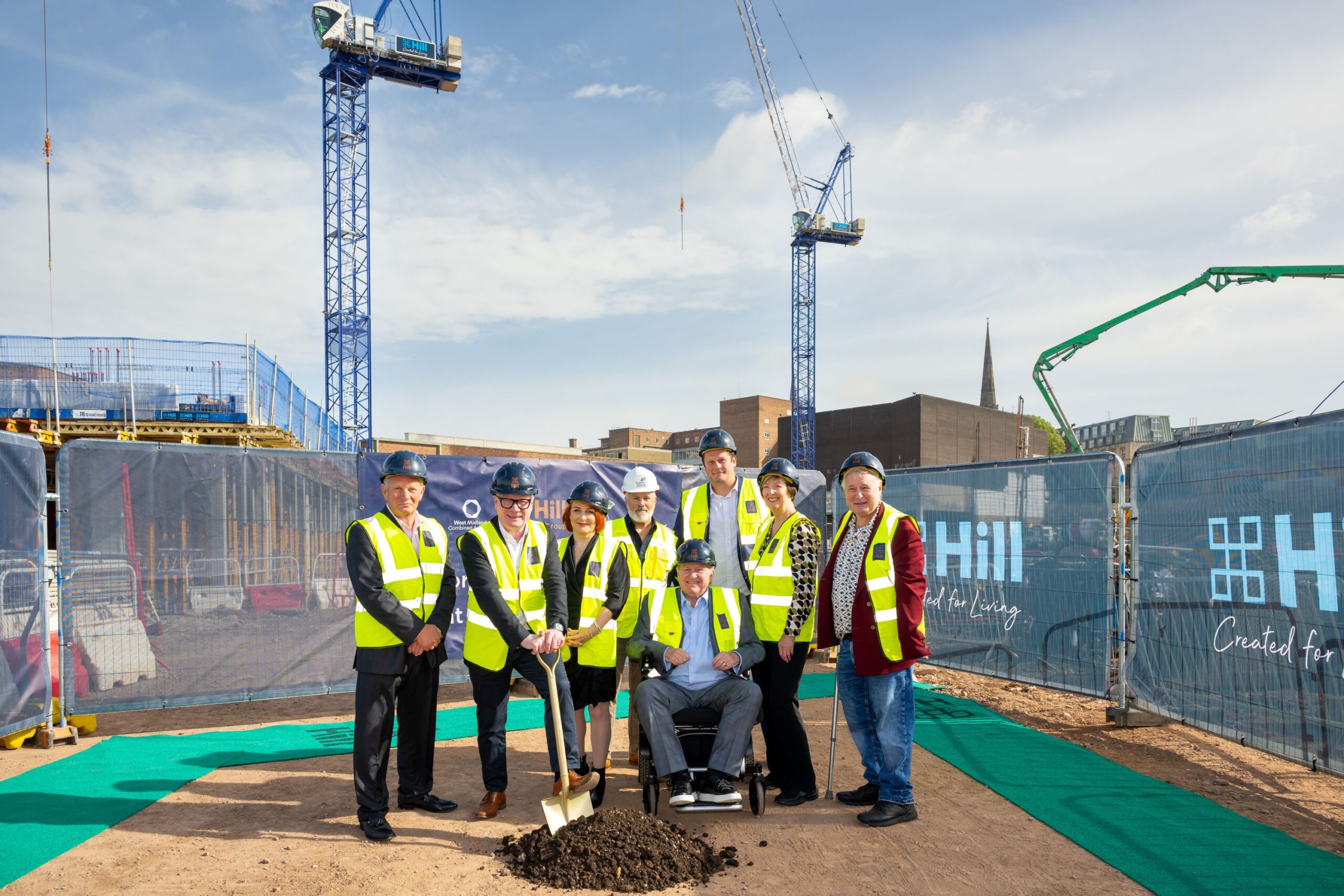
City Centre South reaches major milestone as first tower begins to rise
A major milestone has been reached at Coventry's transformational City Centre South regeneration project developed by The Hill Group, with the first tower now rising from the ground following the completion of demolition and extensive groundworks across the site....

New Forest District Council’s strategy puts prevention at the heart of tackling homelessness in the district
New Forest District Council (NFDC) has launched a strategy to prevent homelessness, support people at risk, and help residents find secure accommodation. The Homelessness and Rough Sleeping Strategy sets out NFDC’s priorities for tackling homelessness and...