
Translink Drives Transport Transformation
For decades, public transport infrastructure in Northern Ireland has faced many of the same pressures affecting networks across the UK, including ageing assets, rising passenger expectations and growing demand for more sustainable travel. Today, however, the scale of investment taking place across the Translink network signals far more than routine modernisation. From Belfast Grand Central Station and […]

Jul 7, 2026
For decades, public transport infrastructure in Northern Ireland has faced many of the same pressures affecting networks across the UK, including ageing assets, rising passenger expectations and growing demand for more sustainable travel. Today, however, the scale of investment taking place across the Translink network signals far more than routine modernisation. From Belfast Grand Central Station and major rail upgrades to zero-emission fleet investment and accessibility improvements, Translink is overseeing one of the most significant periods of transport transformation ever delivered across the region. This programme reflects increasing recognition that reliable public transport infrastructure is central not only to mobility, but also to economic growth, regional connectivity and long-term sustainability.
At the heart of this strategy is Belfast Grand Central Station, a landmark development that Translink describes as the largest integrated transport hub on the island of Ireland. According to the organisation, the station is expected to accommodate up to 20 million passenger journeys annually while strengthening connections between rail, bus and active travel routes throughout Belfast and beyond. The project forms part of wider regeneration plans across Belfast city centre, where infrastructure investment is increasingly viewed as a catalyst for economic activity and improved urban connectivity. Reflecting on the project’s progress, John Glass, Director of Infrastructure and Projects at Translink, explained: “To date, through careful planning, the work has largely progressed with minimal impact on passengers or the wider public.” The opening of the station marks a major milestone in Northern Ireland’s wider transport infrastructure strategy and supports Translink’s long-term ambition to modernise public transport connectivity across the region.
The scale of investment mirrors broader changes taking place across the UK and Ireland, where transport operators face increasing pressure to modernise ageing infrastructure while supporting lower-carbon travel and improving passenger experience. Research from the Department for Transport indicates that increasing public transport usage will remain central to achieving long-term carbon reduction targets across the UK, particularly within urban areas where congestion and air quality continue to present significant challenges. Alongside Belfast Grand Central Station, Translink is progressing infrastructure improvements across its wider rail network, including signalling upgrades, track renewal programmes and accessibility enhancement works designed to improve operational reliability and long-term network performance.
Rail investment remains a key component of the organisation’s future strategy. During the signing ceremony for the new Belfast to Dublin Enterprise fleet agreement, Chris Conway, Group Chief Executive at Translink, stated: “Today is about turning long-term ambition into delivery.” The Enterprise programme represents one of the most significant cross-border rail investments currently underway on the island of Ireland and forms part of wider plans to improve passenger capacity, journey quality and operational resilience. Speaking during the same announcement, Infrastructure Minister Liz Kimmins noted: “This is about investing with confidence in a modern, sustainable and connected transport future that will encourage more people to choose public transport.”
Fleet decarbonisation also remains a major priority. Translink has continued expanding its zero-emission bus programme as part of wider sustainability objectives across the network, with Northern Ireland manufacturer Wrightbus supplying new zero-emission double-deck vehicles. Discussing the ongoing rollout, Chris Conway commented: “These new zero-emission buses support our plans to decarbonise our fleet and help us deliver cleaner, greener public transport services for communities across Northern Ireland.” The organisation’s commitment to cleaner transport reflects wider efforts across the sector to reduce emissions while maintaining reliable and accessible services.
The breadth of investment taking place across the network is also evident in Translink’s procurement activity. Recent awarded contracts span engineering, signalling, fleet support, infrastructure maintenance and specialist operational delivery, highlighting the scale of expertise required to support and modernise a transport network of this complexity. Companies including HJ Martin, McLaughlin & Harvey and AtkinsRéalis have secured roles supporting elements of Translink’s wider operational and infrastructure programmes, reinforcing the increasingly interconnected relationship between the transport, engineering and construction sectors. The investment programme is also creating opportunities across Northern Ireland’s wider construction and civil engineering supply chain, with specialist contractors continuing to play an important role in supporting infrastructure investment and regional development projects.
For Translink, the current programme of works is focused not simply on expanding transport capacity, but on creating a more resilient and sustainable network capable of supporting future regional growth and improving connectivity between communities throughout Northern Ireland. Against this backdrop, the scale of investment currently taking place across the Translink network represents far more than transport modernisation alone. It reflects a long-term commitment to economic development, environmental responsibility and the creation of a transport system designed to meet the needs of future generations.
Sponsored Advert

Related Posts

Developer shows support for St Austell school
Cornwall’s biggest housebuilder has donated £2,000 to supporters of a special school near St Austell. The donation from Persimmon Homes to Friends of Doubletrees School in St Blazey comes from the developer’s Community Champions programme that sees £700,000 donated to...
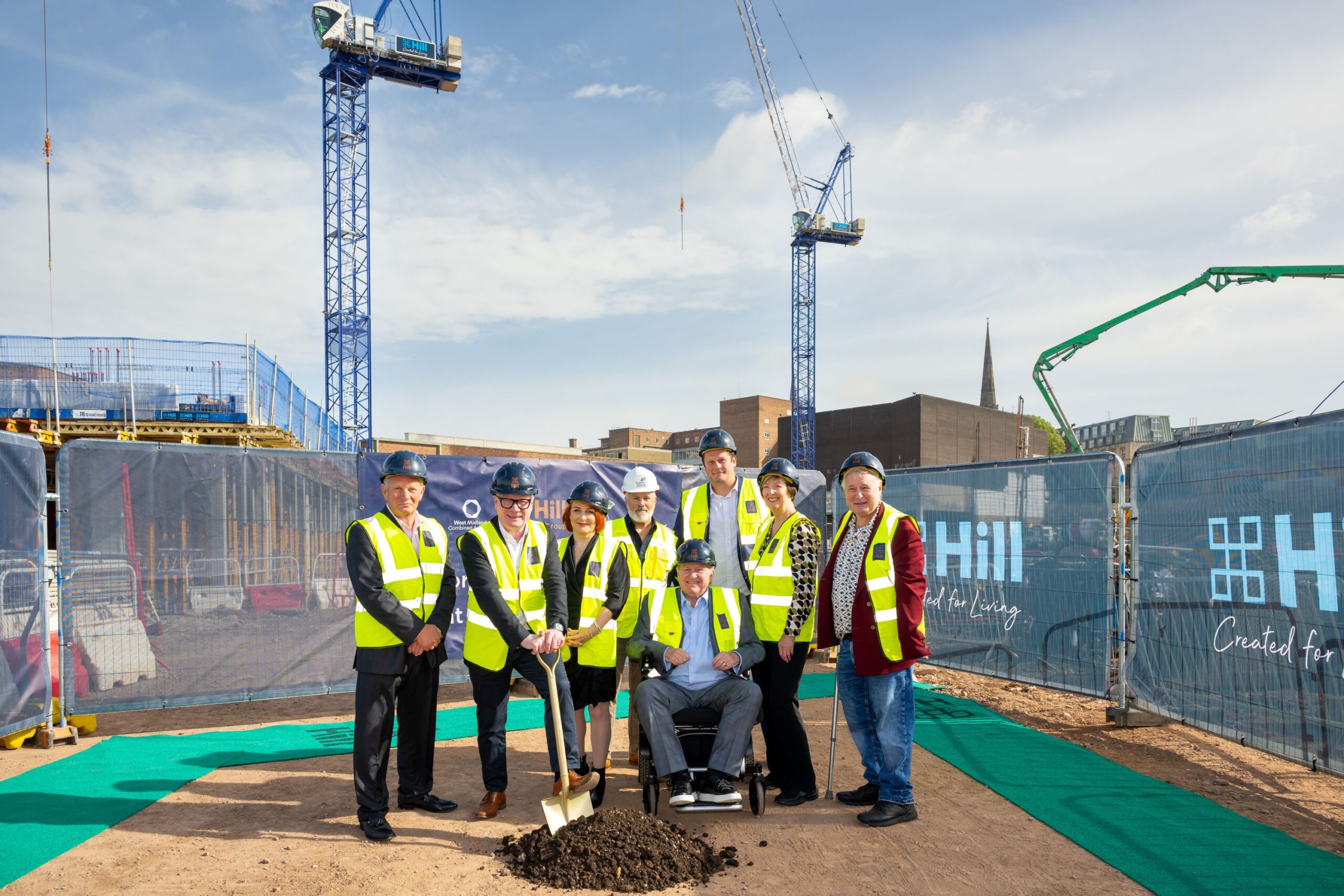
City Centre South reaches major milestone as first tower begins to rise
A major milestone has been reached at Coventry's transformational City Centre South regeneration project developed by The Hill Group, with the first tower now rising from the ground following the completion of demolition and extensive groundworks across the site....

New Forest District Council’s strategy puts prevention at the heart of tackling homelessness in the district
New Forest District Council (NFDC) has launched a strategy to prevent homelessness, support people at risk, and help residents find secure accommodation. The Homelessness and Rough Sleeping Strategy sets out NFDC’s priorities for tackling homelessness and...