
Smart Traffic Management to Significantly Reduce Congestion and Emissions; Saving Cities $277 Billion by 2025
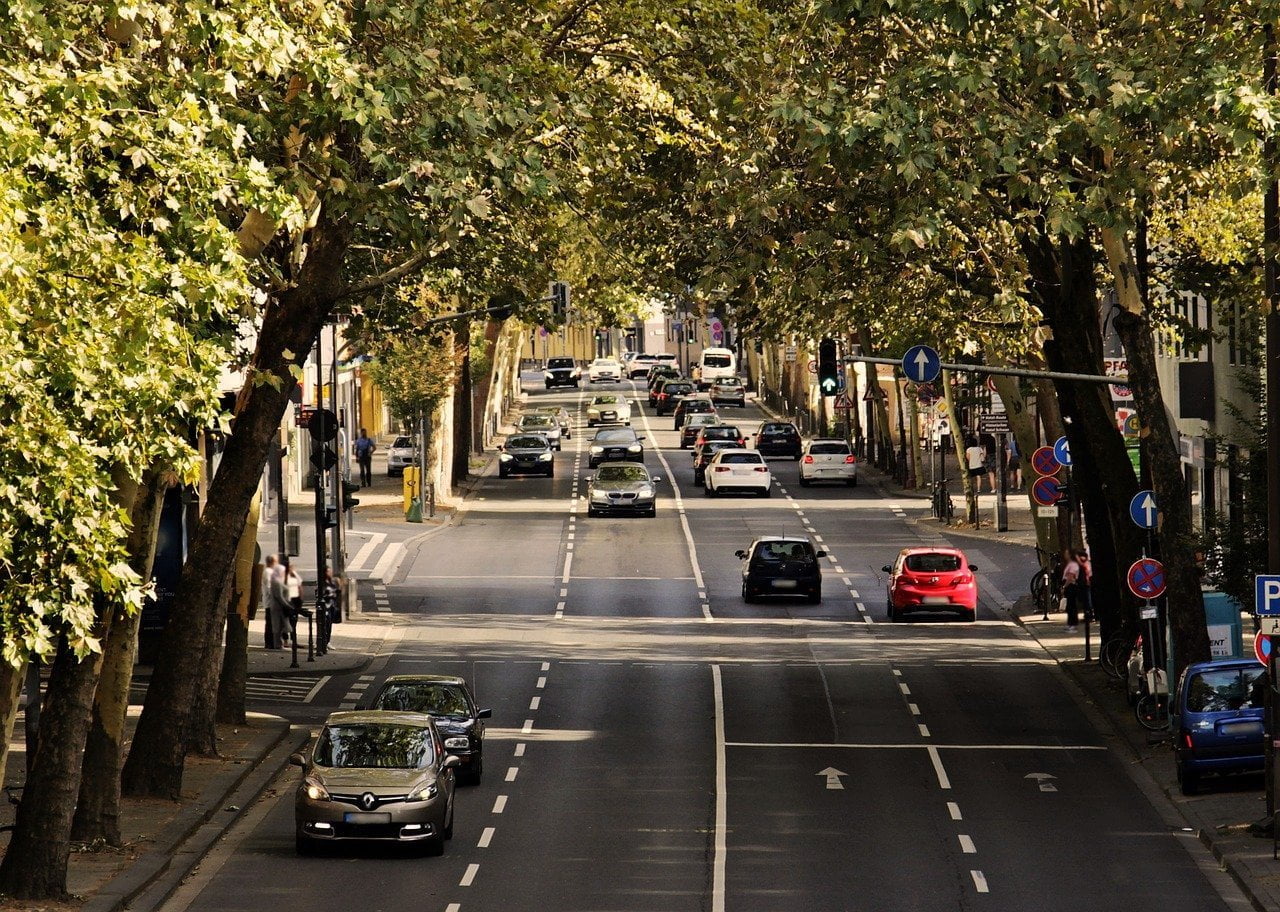
A new study by Juniper Research has found that smart traffic management systems will save cities $277 billion, by reducing emissions and congestion globally by 2025; rising from $178 billion in 2021. It identified smart intersections as the key technology behind these savings, by enabling a reduction of over 33 hours of time spent in traffic per […]
Feb 23, 2021
A new study by Juniper Research has found that smart traffic management systems will save cities $277 billion, by reducing emissions and congestion globally by 2025; rising from $178 billion in 2021. It identified smart intersections as the key technology behind these savings, by enabling a reduction of over 33 hours of time spent in traffic per annum per motorist by 2025. Smart intersections include areas of high traffic that leverage connectivity and AI-based automation to monitor and manage the flow of traffic based on real-time data, in order to reduce the time wasted to road congestion.
The new report, Smart Traffic Management: Technologies, Use Cases & Market Forecasts 2021 2025, predicts that over 95% of the $277 billion in savings will be attributable to congestion reduction. North America and Europe are anticipated to account for over 75% of all savings, owing to their increasing investment into smart traffic management and the high vehicle usage in these regions.
For more insights, download our free whitepaper: How Smart Parking is Accelerating Change in Cities
Stakeholder Collaboration on V2X Needed
The research argues that V2X (Vehicle-to-Everything) technologies are critical to the enhancement of existing smart traffic management services. V2X leverages cellular connectivity to enable vehicles and smart traffic infrastructure to communicate information. It predicts that V2X connectivity will enable smart traffic management platforms to gather data directly from vehicles, rather than relying on traditional traffic actuation methods.
In turn, stakeholder collaboration will enable the integration of various automotive services into smart traffic management; providing enhanced convenience for vehicles utilising smart parking services.
Smart Parking Investment to Grow by 115%
The report forecasts that investment into smart parking will reach $1 billion by 2025; rising from $460 million in 2021. It anticipates that smart parking vendors will focus on the connectivity between parking sensors, management platforms and end users, and urges vendors to focus on smart displays that provide relevant and up-to-date parking availability information to road users in a safe manner.
Related Posts
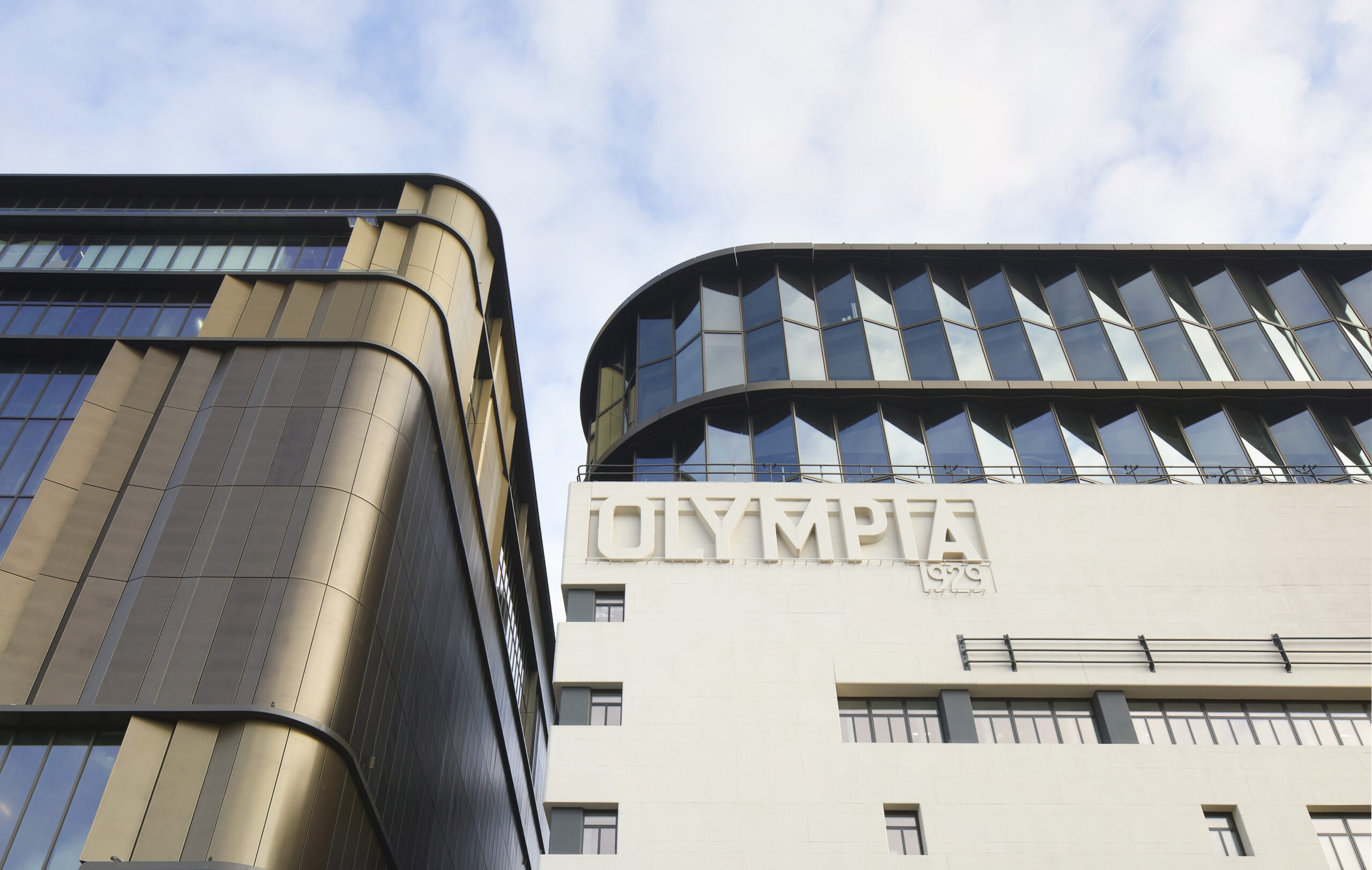
Heatherwick Studio transforms historic London icon, Olympia, into a new cultural neighbourhood
This summer, Heatherwick Studio and SPPARC reveal the first phase of Olympiaʼs transformation from exhibition venue into a new cultural neighbourhood, reimagining one of London's great Victorian public buildings. Originally opened in 1886, Olympia was synonymous with...
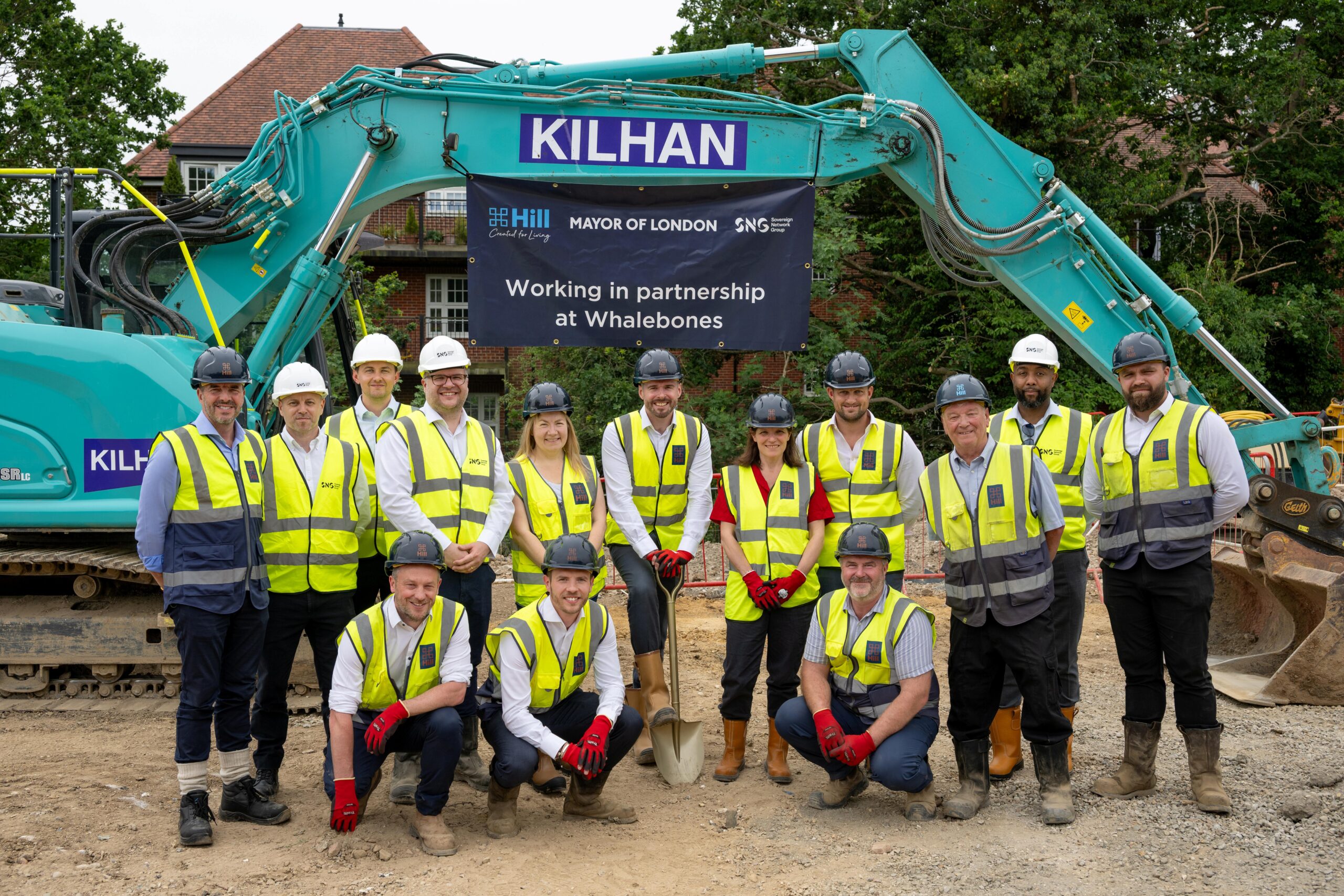
Deputy Mayor Tom Copley Visits Whalebones Park To See Progress On Landmark Barnet Development
Deputy Mayor for Housing and Residential Development, Tom Copley, visited the Whalebones Park development in Barnet on 29 May 2026, joining award-winning housebuilder The Hill Group and its partner Sovereign Network Group (SNG) to see first-hand the progress being...
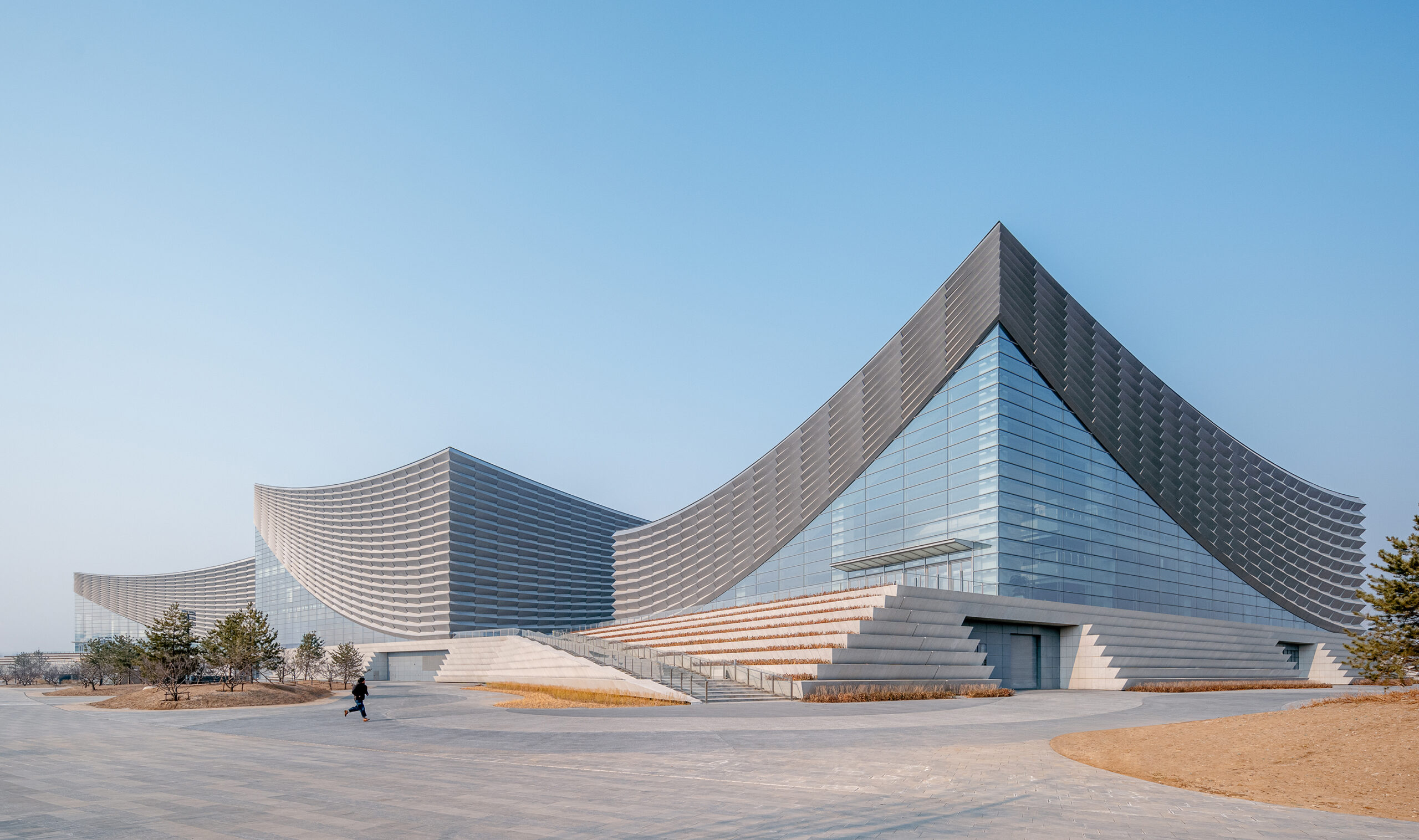
RIBA Announces 34 Winners Of The International Awards For Excellence
The Royal Institute of British Architects (RIBA) has today announced the 34 winning projects of the RIBA International Awards for Excellence 2026. Recognising inspiring architecture across 15 countries and four continents, this yearʼs cohort responds directly to...