
‘Short-sighted’ nuclear drive enshrines inefficiency at the heart of Britain’s energy strategy
The UK Government is expected to announce its latest policy drivers toward a net-zero future this week, with a focus on de-carbonising energy production through a new generation of nuclear reactors and support for gas boiler alternatives for households. The Government’s Heat and Building Strategy and its separate Net Zero Review are reportedly going to […]

Oct 26, 2021
The UK Government is expected to announce its latest policy drivers toward a net-zero future this week, with a focus on de-carbonising energy production through a new generation of nuclear reactors and support for gas boiler alternatives for households.
The Government’s Heat and Building Strategy and its separate Net Zero Review are reportedly going to trigger new utility bill-funded investment models to deliver zero-carbon energy production.
Commenting on the announcements, Don McLean, CEO at built environment climate tech solution provider, Integrated Environmental Solutions (IES), said: “While this move away from fossil fuel use is undoubtedly welcome, it is a move which is short-sighted in that it does nothing to plug the colossal inefficiency gap of the nation’s building stock.
“This looks like the Government has raised the white flag to say that they have no idea how to decarbonise the country. They are saying the risk of failing to decarbonise is much greater than the risk of nuclear energy.
“It appears we will be paying for the nuclear programme in advance through our utility bills. This means that all the families in fuel poverty will have less money to heat their homes and cook food for their children. Due to the higher utility costs, more people will be driven into fuel poverty.
“Put simply, we need to start using energy more efficiently. It is not difficult. The more efficiently we use energy the less energy we need to generate. Every unit of energy we save eliminates to energy lost in producing it.
“The Government should be working to make our built environment more energy efficient; this will reduce energy demand which will reduce the number of people in fuel poverty.
“New and emerging technologies provide us with the opportunity to create smart buildings and cities which can be low carbon emitters. This will help decarbonisation and the lower energy usage will reduce fuel poverty.
“As a society, we should be furious that £billions of consumers’ money can be pumped into new energy generation only for up to a quarter of it being wasted due to poor efficiency in design or operation of our built environment. We can start to fix this problem now, we do not have to wait at least ten years to get an answer to the wrong question.
“Only by looking at buildings and cities as the integrated environments that they are – instead of parts of the problem in isolation – can we ensure everyone involved in the conception, design or management of a building gets to leave our world in a much better state than we inherited it.
“However, the construction industry, building owner and building users all have an important role to play in achieving zero-carbon solutions.”
Related Posts

RIBA Announces 34 Winners Of The International Awards For Excellence
The Royal Institute of British Architects (RIBA) has today announced the 34 winning projects of the RIBA International Awards for Excellence 2026. Recognising inspiring architecture across 15 countries and four continents, this yearʼs cohort responds directly to...
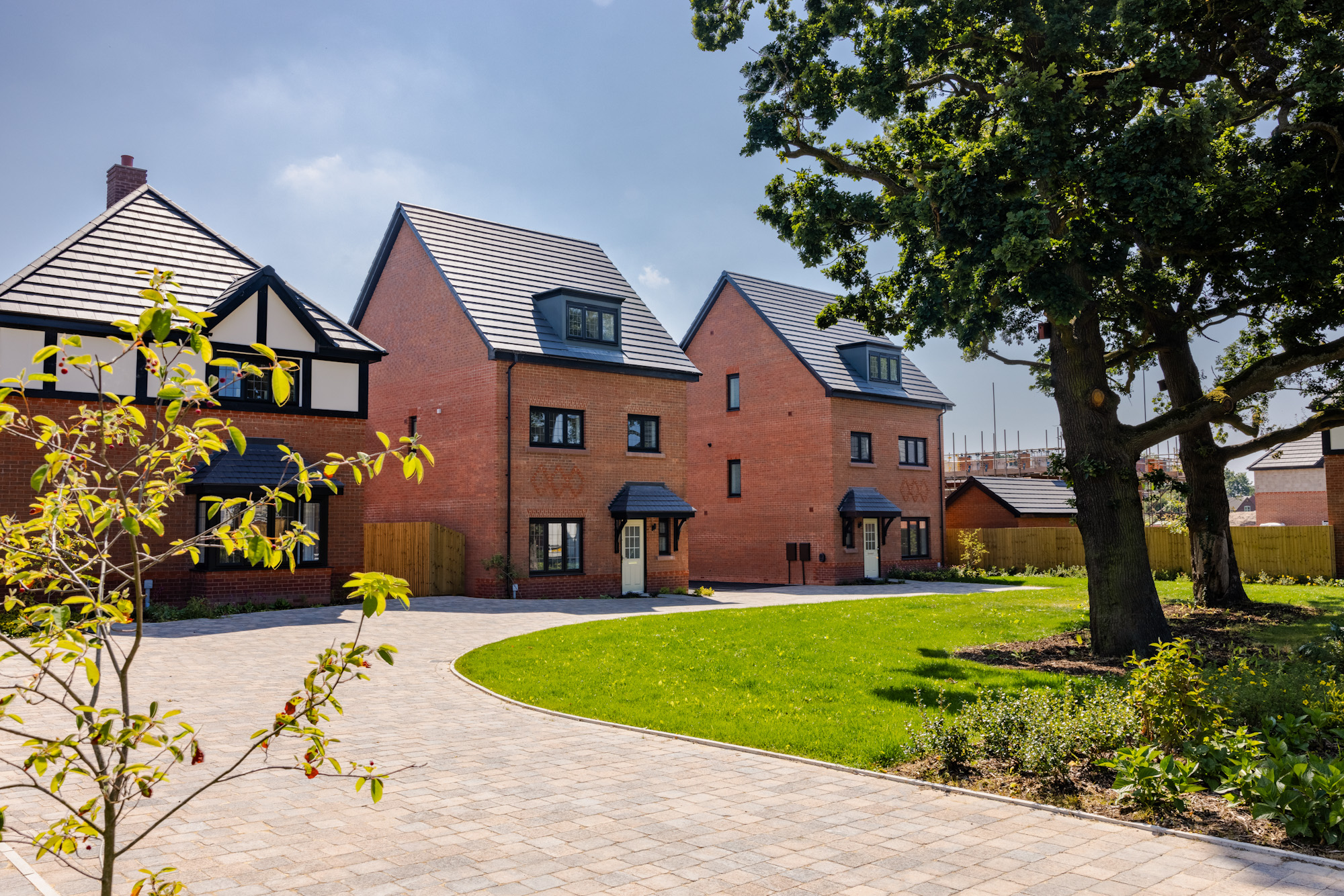
Anwyl Submits Plans For New Homes And Local Centre In Alsager
Plans to transform a former quarry site in Alsager into a new neighbourhood featuring homes and community facilities have been submitted. Anwyl Homes has lodged a hybrid planning application with Cheshire East Council for just over 54 acres of land at White Moss...

New active travel bridge for Cardiff by Moxon and Arcadis gets go-ahead
Moxon Architects and Arcadis have been granted planning approval for a new pedestrian and cycle bridge across the River Taff in Cardiff. The 165m-long bridge is part of Cardiff Council’s ambitious Channel View Estate regeneration scheme and will improve connectivity...