
National Highways Doubles Down on Green Crossings
In the quiet spaces above England’s busiest roads, a new kind of bridge is reshaping how infrastructure interacts with the environment. National Highways has confirmed that it is more than doubling the number of green bridges across the Strategic Road Network within the next two years, with new crossings under construction in Cornwall, Gloucestershire and […]
Aug 8, 2025
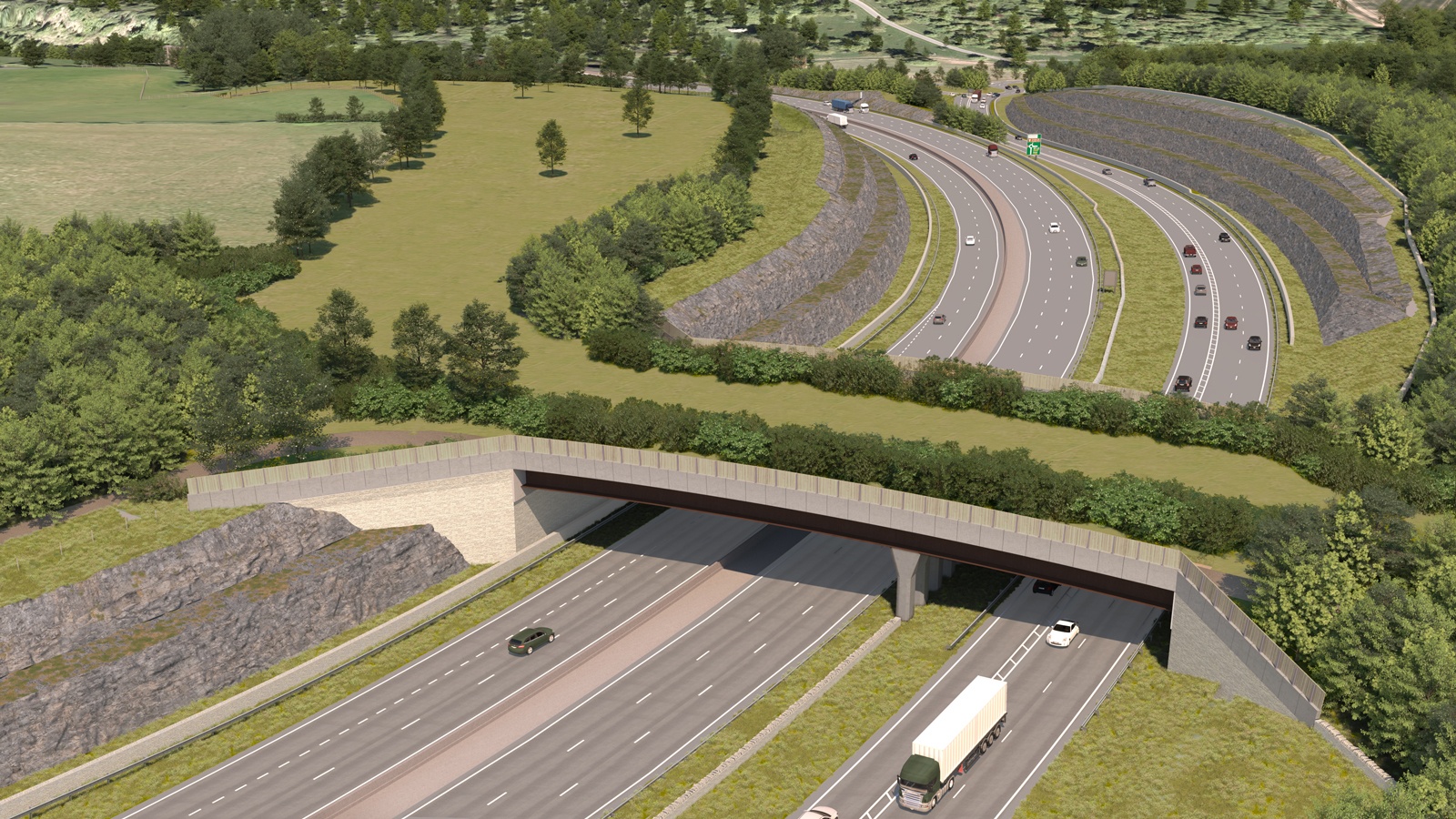
In the quiet spaces above England’s busiest roads, a new kind of bridge is reshaping how infrastructure interacts with the environment. National Highways has confirmed that it is more than doubling the number of green bridges across the Strategic Road Network within the next two years, with new crossings under construction in Cornwall, Gloucestershire and Surrey. These structures are part of a growing movement to integrate roads into the landscape rather than carving through it, creating safe corridors for both wildlife and people.
Green bridges, sometimes referred to as wildlife crossings, have a simple purpose with far-reaching impact. By reconnecting fragmented habitats, they allow badgers, deer, voles, insects and birds to move safely across transport routes while also supporting walkers, cyclists and even horses in some locations. They are part of a larger environmental ambition that sees roads as part of an ecological network, rather than an interruption to one.
Steve Elderkin, director of environmental sustainability at National Highways, said: “While roads have always connected people and places, they are too often a barrier for nature. Our green bridges are designed to blend with the landscape and connect habitats, animals and people, leaving a lasting legacy which ensures nature thrives.”
At the A30 near Truro in Cornwall, the Marazanvose green bridge is being built by Costain as part of the Chiverton to Carland Cross upgrade. It measures just under 50 metres long and more than 12 metres wide. Once planted in the autumn, it will become a fully vegetated corridor linking key habitats and supporting a mix of mammals, insects, and birds. As with other green bridges, this one will also be open to walkers and horse riders, giving it a dual purpose that strengthens its long-term value.
Further north, the A417 Missing Link project near Gloucester includes the Gloucestershire Way green bridge, which will be lifted into place this summer. Kier will install ten steel beams to form the 60-metre-long deck, with planting to follow that will serve a wide cross section of local wildlife. With a width of 37 metres, it will also be one of the largest structures of its kind in the UK.
Meanwhile on the M25 at Junction 10 near Wisley, the Cockrow Bridge has already been installed. At 68 metres long, this structure reconnects areas of heathland that had been divided by the motorway for decades. Once fully planted with native heathland species, it will become a seamless extension of the commons on either side.
These projects form part of a wider shift across the construction industry where biodiversity and nature-based design are moving up the agenda. Green bridges are not simply about environmental goodwill; they help reduce roadkill, improve safety for drivers, and support the long-term health of landscapes through which infrastructure passes.
The agency’s Network for Nature initiative, developed with The Wildlife Trusts, is already funding over 40 habitat restoration schemes across England. From wetland creation in Norfolk to woodland revival in Cornwall and bison reintroduction in Kent, the aim is to use the scale of highway landholdings to create a meaningful conservation footprint. National Highways currently manages more than 30,000 hectares of land, much of which includes verges, embankments and corridor habitats that can be improved through better design and stewardship.
Elderkin added: “We are prioritising nature-based solutions and working closely with conservation partners to address environmental pressures while maintaining safe, efficient infrastructure.”
The idea that a motorway bridge can help deliver a greener future might have seemed far-fetched a decade ago. But with each new crossing, that future is coming into focus. These are not just bridges over roads, they are bridges towards a more balanced relationship between infrastructure and ecology.
Related Posts
Girls Rise to the Challenge
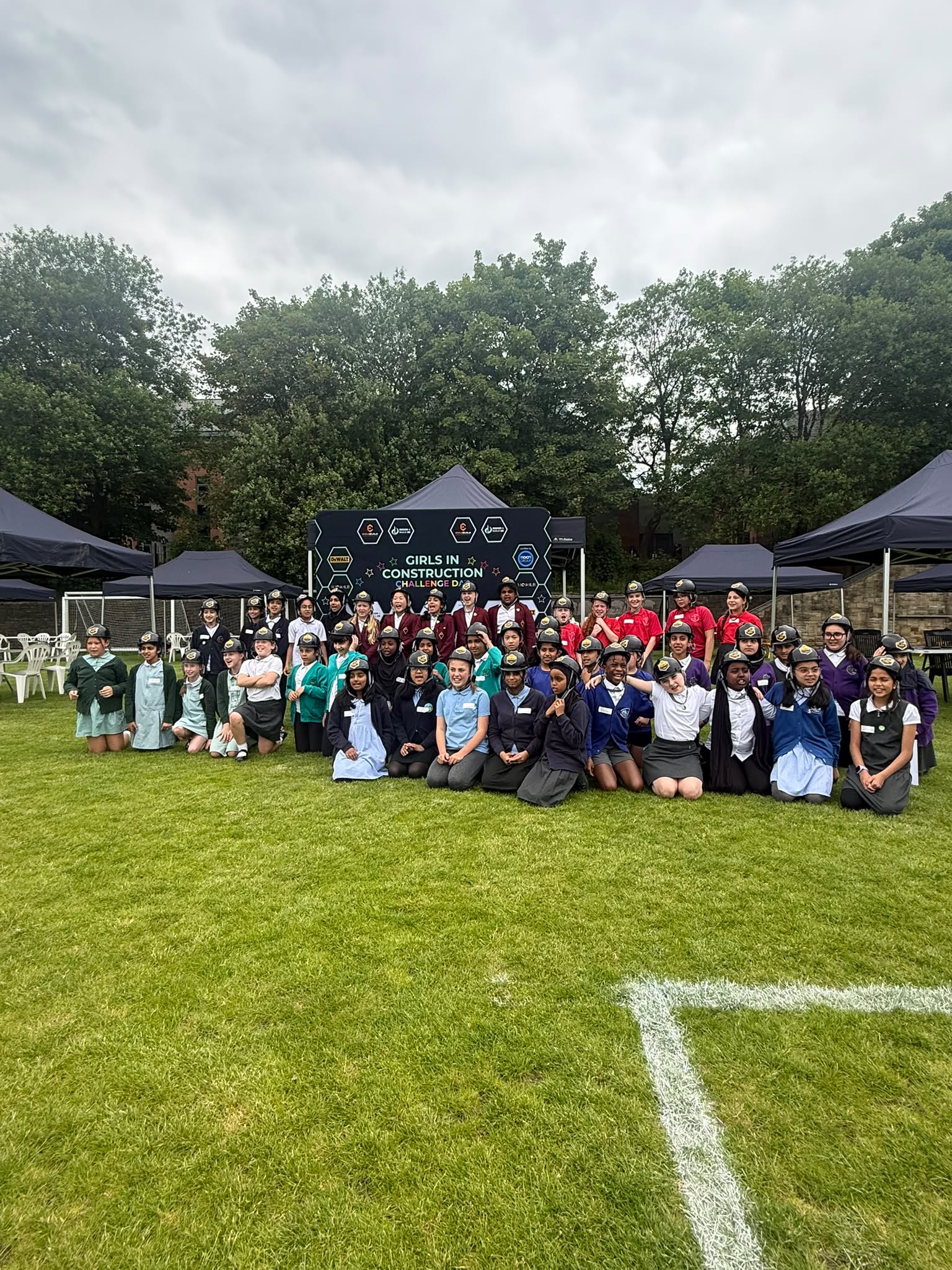
Fifty Year 5 girls from 10 schools across Bolton were introduced to the world of construction this June as they took part in the Girls in Construction Challenge Day, delivered by Michaela Wain and Design & Build UK alongside sponsors NOCN, DEWALT and Huws Gray....
Heatherwick Studio transforms historic London icon, Olympia, into a new cultural neighbourhood
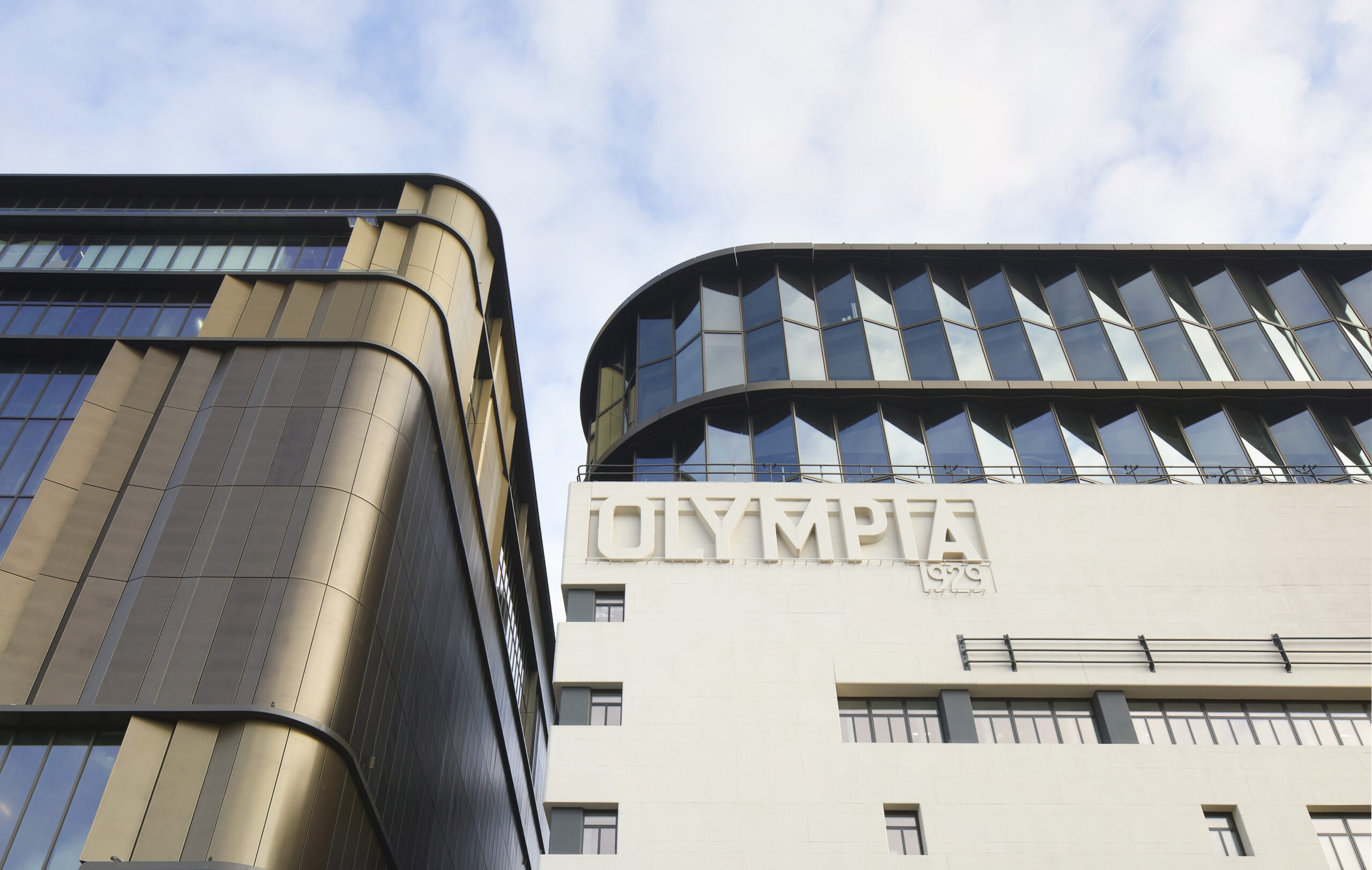
This summer, Heatherwick Studio and SPPARC reveal the first phase of Olympiaʼs transformation from exhibition venue into a new cultural neighbourhood, reimagining one of London's great Victorian public buildings. Originally opened in 1886, Olympia was synonymous with...
Deputy Mayor Tom Copley Visits Whalebones Park To See Progress On Landmark Barnet Development
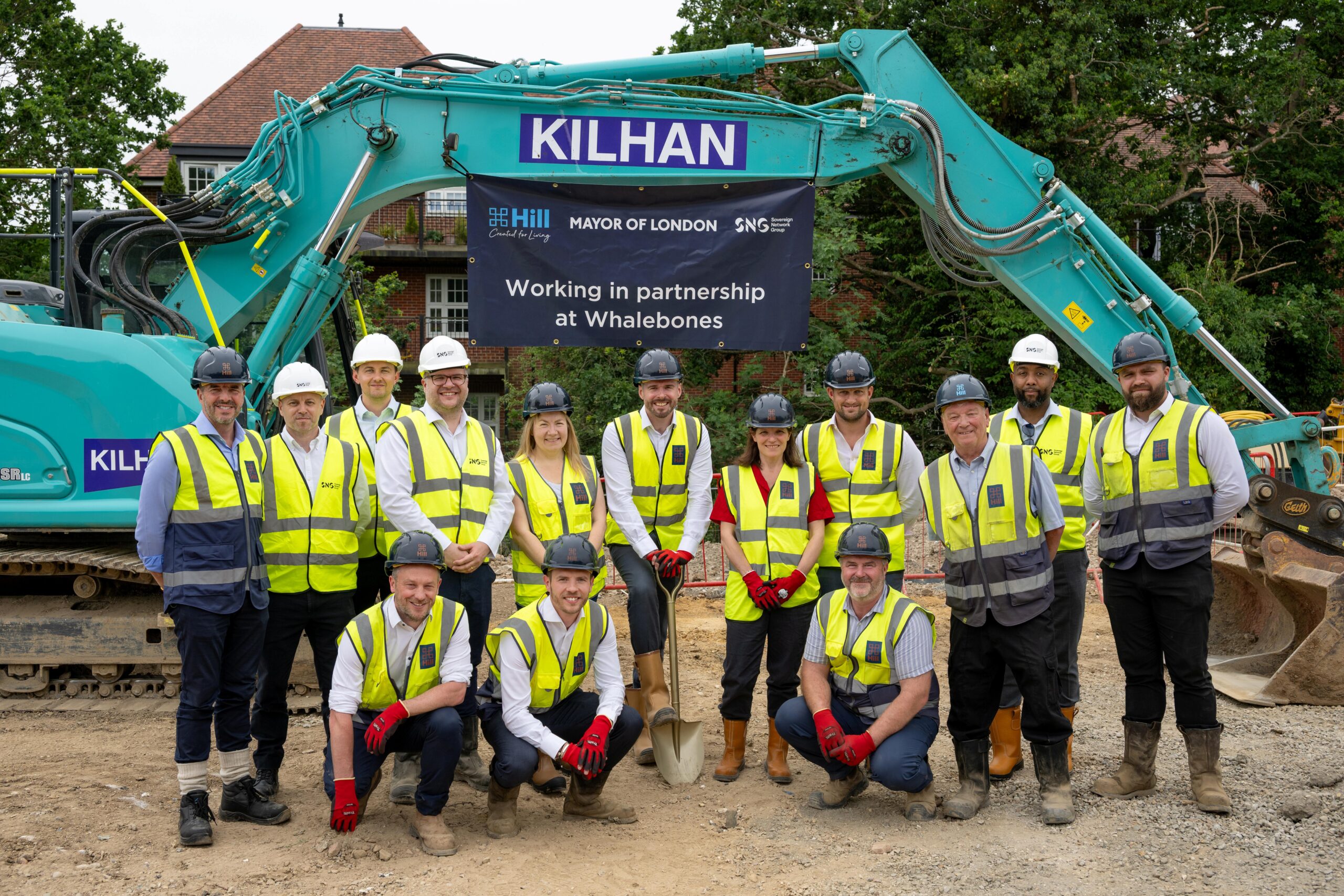
Deputy Mayor for Housing and Residential Development, Tom Copley, visited the Whalebones Park development in Barnet on 29 May 2026, joining award-winning housebuilder The Hill Group and its partner Sovereign Network Group (SNG) to see first-hand the progress being...