
Learning from success in safety
The latest figures from across the construction sector reveal a story of gradual progress tempered by persistent challenges. Fatal injuries fell to 35 in 2024 to 2025, down from 45 in 2022 to 2023 and below the five-year average of 40. While this reduction is welcome, construction remains a high-risk industry, with a fatal injury […]

Jan 19, 2026
The latest figures from across the construction sector reveal a story of gradual progress tempered by persistent challenges. Fatal injuries fell to 35 in 2024 to 2025, down from 45 in 2022 to 2023 and below the five-year average of 40. While this reduction is welcome, construction remains a high-risk industry, with a fatal injury rate 4.8 times higher than the all-industry average. The sector also recorded four fatalities among members of the public, consistent with long-term trends.
Falls from height continue to be the leading cause of death, accounting for around 53% of fatalities. Roofing, scaffolding and maintenance work remain particularly hazardous and have proven resistant to improvement despite decades of guidance. Although long-term data shows a significant reduction in fatalities over several decades, recent years suggest progress has plateaued. This indicates that incremental change alone may no longer be enough to drive further reductions.
Alongside fatal accidents, the industry continues to experience a high level of non-fatal injuries. Between 2022 to 2023 and 2024 to 2025, construction recorded an average of 50,000 non-fatal injuries a year. Nearly a third of these resulted in more than seven days off work, highlighting the impact on both productivity and worker wellbeing. Slips, trips and falls at the same level remain the most common causes, followed by handling and lifting injuries, non-fatal falls from height, being struck by moving objects and contact with machinery. These consistent patterns underline the importance of good housekeeping, careful planning and robust manual handling practices.
The economic impact is equally significant. An estimated 2.2 million working days are lost each year due to work-related injury and ill health. Around 82% of these losses stem from long-term conditions such as musculoskeletal and respiratory illnesses, with the remaining 18% linked to workplace injuries. In total, work-related injury and ill health cost the construction sector around £1.4 billion per year, reflecting lost output, healthcare costs and the human impact on workers and their families.
Against this backdrop, examples of effective practice provide valuable insight into what works. One such example is Verve Concepts, a design-led construction company specialising in high-end residential projects across London and the South East. In just one year, the company progressed from a Bronze Award to Gold at the RoSPA Health and Safety Awards 2025, earning the title of Most Improved Member in the United Kingdom. With more than 30 specialists delivering complex refurbishments and new builds, Verve’s success demonstrates the impact of embedding health and safety as a core organisational value.
Explaining why the company entered the Awards, Operations Coordinator Abi Paxton said: “As a company we are extremely proud of the development we have made with health and safety over recent years. RoSPA’s reputation as a leading health and safety organisation made it the ideal platform to showcase our commitment to excellence, our safety culture, and recognise the immense hard work of our team.” Verve’s work presents specific challenges linked to high-end residential construction. Paxton noted: “Managing risk in high hazard environments is a major challenge. We must ensure everyone is properly trained and qualified for their roles and fully inducted, equipment is regularly inspected, and control measures are strictly enforced.”
Working at height is a key risk. Paxton explained: “One major challenge is working at height, whether on scaffolding, temporary structures or unfinished upper floors. To manage this, we enforce strict working at height protocols, including fall arrest systems, edge protection, regular safety inspections and comprehensive training for all operatives, alongside key signage.” Material handling and logistics also require careful control, particularly in confined urban sites. Paxton said: “We mitigate this through delivery scheduling, clearly marked access routes and lifting plans approved by competent personnel.”
She added that managing multiple workers and subcontractors depends on strong systems and communication: “We use an operating system to log all actions across sites including inductions, health and safety reporting, inspections, forms, training and records to keep projects and operatives functioning safely and efficiently. All details are easily accessible, paperless, live and stored in one place.”
Leadership has played a central role in Verve’s rapid progress. Paxton emphasised: “Health and safety is a core pillar of the organisation, promoted by the senior management. Being led from the top has had such a positive effect throughout the whole company.” Digital tools have also supported improvement. She noted: “Progressing from Bronze to Gold status over the course of a year shows how we have implemented best practices throughout the company, improving our standards.”
She added: “Using our system-based software approach with digital tools ensures information is live and easily accessible to all, across sites using tablets and phones.”
Reflecting on the Awards process, Paxton described it as positive and motivating, concluding that winning Gold was “an extremely proud moment” and a recognition of sustained effort across the business. As the industry continues to grapple with persistent risks, Verve Concepts offers a clear example of what can be achieved when safety is treated not as a compliance exercise, but as a core value. Their journey shows that strong leadership, effective systems and a people-focused approach can deliver meaningful and measurable improvements in construction health and safety.
Written by: Olivia Needham
Sponsored Advert

Related Posts
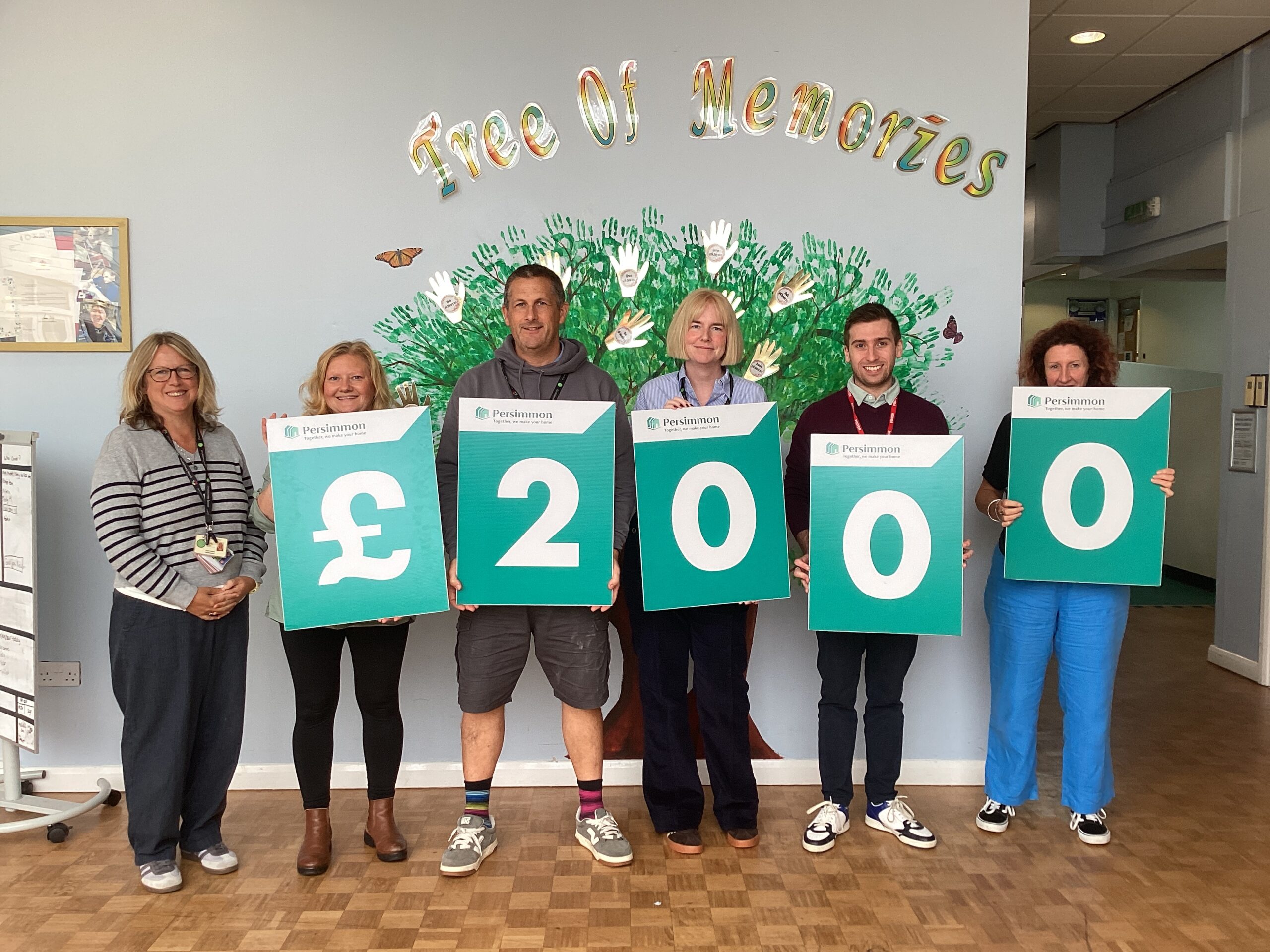
Developer shows support for St Austell school
Cornwall’s biggest housebuilder has donated £2,000 to supporters of a special school near St Austell. The donation from Persimmon Homes to Friends of Doubletrees School in St Blazey comes from the developer’s Community Champions programme that sees £700,000 donated to...
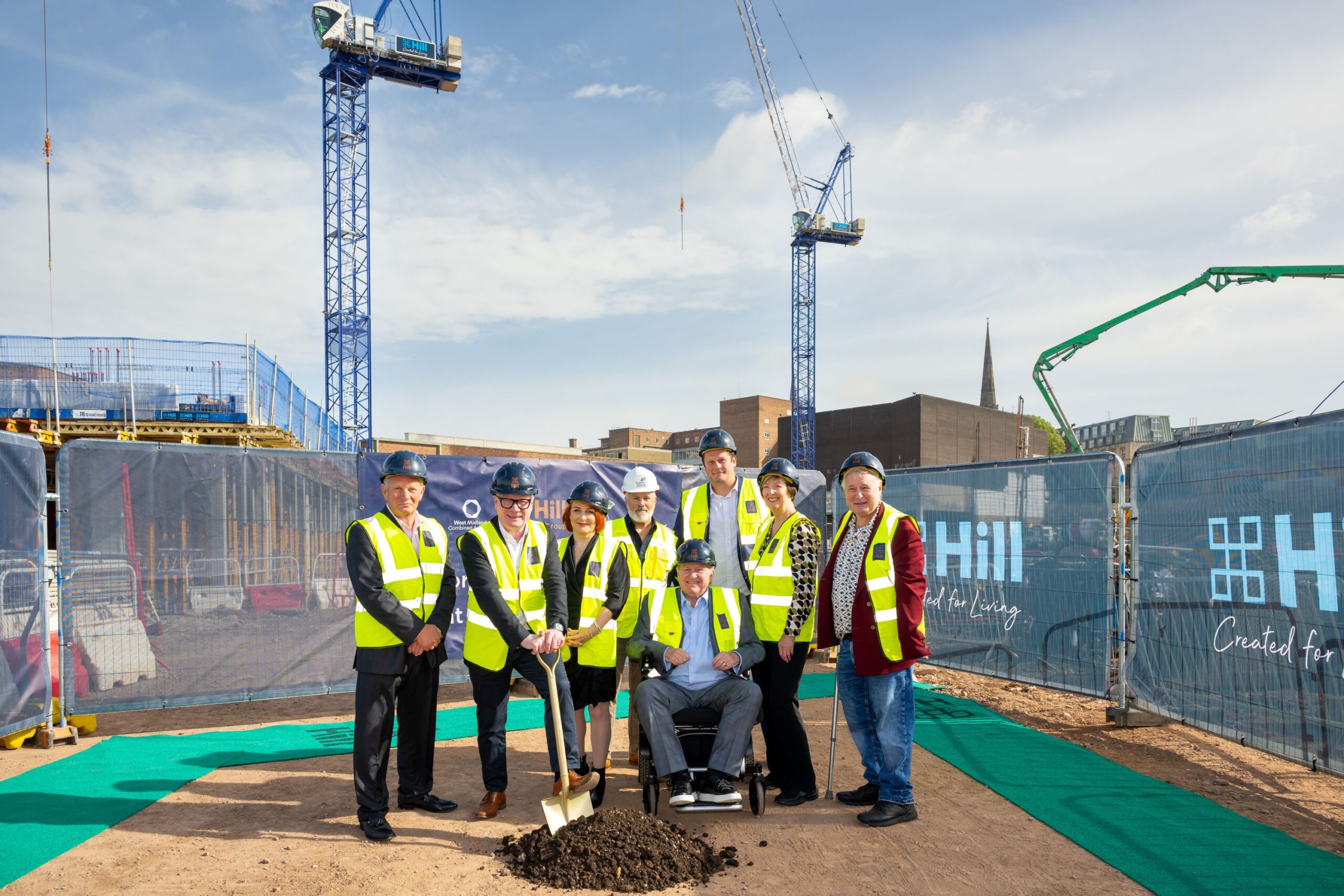
City Centre South reaches major milestone as first tower begins to rise
A major milestone has been reached at Coventry's transformational City Centre South regeneration project developed by The Hill Group, with the first tower now rising from the ground following the completion of demolition and extensive groundworks across the site....
New Forest District Council’s strategy puts prevention at the heart of tackling homelessness in the district
New Forest District Council (NFDC) has launched a strategy to prevent homelessness, support people at risk, and help residents find secure accommodation. The Homelessness and Rough Sleeping Strategy sets out NFDC’s priorities for tackling homelessness and...