
Investing in Rail Resilience
Britain's railway network continues to face growing demands as passenger expectations increase, infrastructure ages and climate change places additional pressure on essential transport assets. As a result, investment is becoming focused not simply on maintaining existing infrastructure, but on improving the long-term resilience and reliability of the network. Rather than responding to failures as they occur, rail operators are increasingly prioritising […]

Aug 20, 2026
Britain's railway network continues to face growing demands as passenger expectations increase, infrastructure ages and climate change places additional pressure on essential transport assets. As a result, investment is becoming focused not simply on maintaining existing infrastructure, but on improving the long-term resilience and reliability of the network. Rather than responding to failures as they occur, rail operators are increasingly prioritising preventative renewal programmes that strengthen critical assets before defects begin to affect services. This approach reflects a wider shift across the transport sector towards proactive asset management, where planned interventions reduce disruption, improve operational performance and extend the lifespan of railway infrastructure.
Research from Whole Life Rail Model: Application and Development indicates that planned infrastructure renewals deliver significantly greater long-term value than reactive maintenance by reducing lifecycle costs, improving asset performance and minimising service disruption. The study concludes that replacing ageing infrastructure before failures occur allows operators to make better use of engineering possessions while delivering more reliable services for passengers. As railway assets continue to age across the UK, this whole life approach is becoming increasingly important in supporting sustainable network performance.
These principles are reflected in Network Rail's recent £6 million programme of engineering works across Sunderland and the surrounding area. Delivered over 4 consecutive weekends during the summer, the project has targeted several assets that play a vital role in maintaining reliable passenger and Metro services. The programme includes the renewal of 664 metres of track through both platforms at Sunderland station, the complete replacement of 8 sets of points, renewal of point heating equipment, improvements to drainage at Brockley Whins, resurfacing works at Boldon Lane and Tile Shed level crossings, installation of new components at Boldon and vegetation clearance to improve signal visibility. Together, these improvements are designed to strengthen the reliability and resilience of one of the region's busiest sections of railway.
The scope of the work demonstrates how modern railway maintenance increasingly considers the interaction between multiple infrastructure assets. While new track provides smoother journeys and reduces wear, renewed point work improves operational flexibility and reliability at a complex section of railway where Nexus Metro services interact with the national rail network. At the same time, upgraded drainage infrastructure helps protect the railway from flooding during periods of heavy rainfall, while renewed point heating equipment supports reliable operation during severe winter weather. Delivering these interventions together enables Network Rail to maximise the benefits of planned possessions while addressing several operational risks simultaneously.
Gunnar Lindahl, Joint Operations Director for Network Rail and LNER, explained: "This is a significant programme of upgrades over four weekends to improve the reliability and resilience of the railway for passengers in the Sunderland area. This includes renewing track, points and drainage, as well as improvements at level crossings and other locations. We know this work will disrupt journeys and we're sorry for any inconvenience but these weekends of intensive engineering work will deliver significant benefits for passengers."
Undertaking such extensive engineering work has inevitably required temporary changes to passenger services, including rail replacement buses and amended train timetables across each weekend of the programme. However, concentrating multiple improvements within planned possessions reduces the need for repeated closures in the future while allowing engineers to complete more comprehensive renewals safely and efficiently. This strategy reflects an increasing emphasis across the rail industry on balancing short-term disruption against the long-term benefits of improved infrastructure reliability.
As Britain's railway continues to support millions of passenger journeys and substantial freight movements every year, investment in preventative infrastructure renewal will remain central to maintaining network performance. Sunderland's summer engineering programme demonstrates how targeted improvements to track, drainage, signalling assets and level crossings can strengthen operational resilience while extending the life of critical infrastructure. By focusing on planned renewal rather than reactive repair, projects such as this help create a railway that is better equipped to meet future passenger demand and withstand the environmental challenges facing the network in the decades ahead.
Sponsored Advert

Related Posts

Balfour Beatty features in The Scottish Sun highlighting how investment in Scotland’s energy future is creating lasting careers
Balfour Beatty has featured in The Scottish Sun, showcasing how the company's work to upgrade Scotland's electricity network is creating career opportunities for young people while supporting the country's transition to a low-carbon future. The article highlights how...

Major housebuilder hosting affordability events in Wiltshire and Oxfordshire
One of the country’s largest developers are hosting events across its sites to get first-time buyers on the housing ladder and help families upsize into their new homes. Persimmon Homes Wessex will have independent financial advisors on all its sites on Saturday 21st...
800 more homes for local people in Stroud
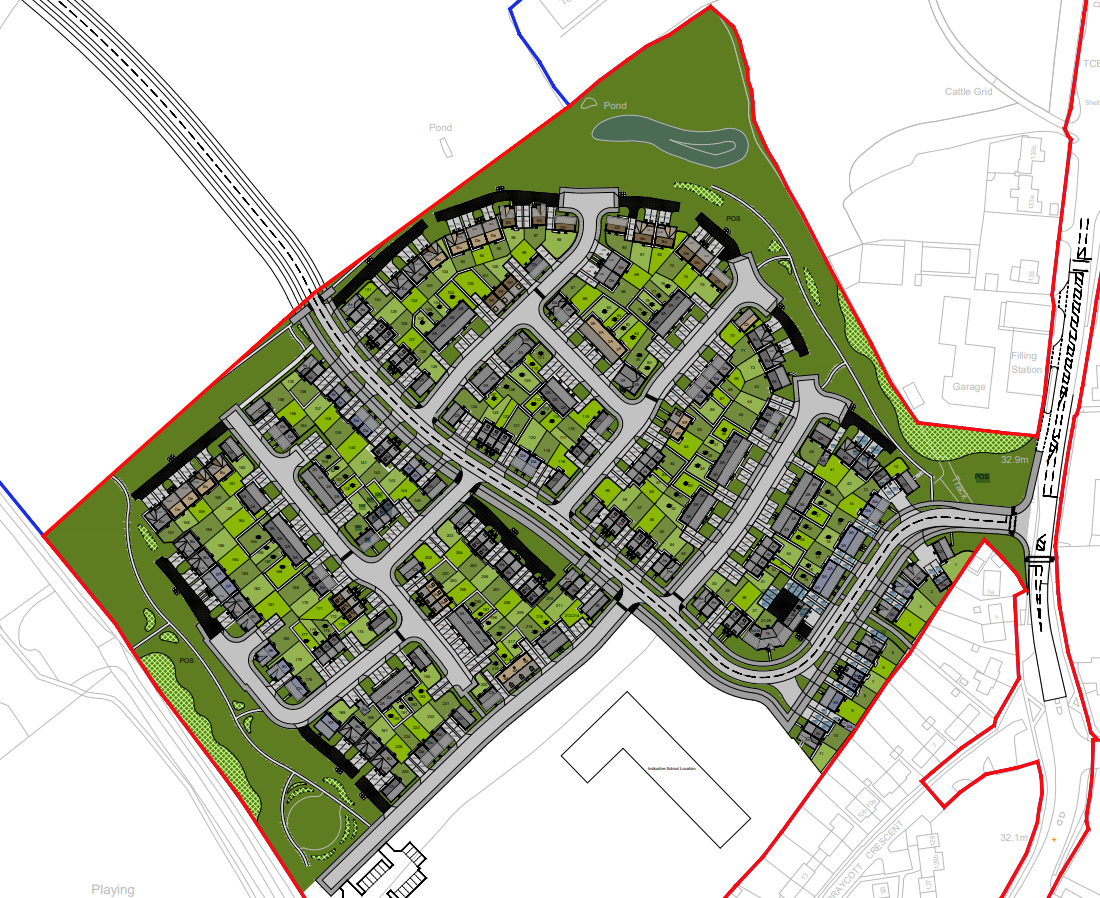
Persimmon Homes Severn Valley has secured outline planning permission for 796 new homes in Cam, Stroud following a successful appeal to the Planning Inspectorate. As part of the verdict, the accredited five-star housebuilder has full planning consent for the first 226...