
Home woes: 10 costliest property damages for landlords
RankProperty damageEstimated costs to repair1Underpinning £5,000 - £25,0002Roof repairs£3,000 - £10,5003Electrical rewiring £1,500 - £10,0004Rendering£2,000 - £8,5005Plumbing and water damage£450 - £5,0006Damp£200 - £5,0007Flooring repairs£500 - £1,8008Painting and plastering£800 - £1,5009Mould removal£200 - £1,20010Heating and boilers repairs£100 - £500 Potentially costing landlords upwards of £25,000 depending on property size, underpinning stands out as the priciest home repair. […]
Aug 2, 2024
| Rank | Property damage | Estimated costs to repair |
| 1 | Underpinning | £5,000 - £25,000 |
| 2 | Roof repairs | £3,000 - £10,500 |
| 3 | Electrical rewiring | £1,500 - £10,000 |
| 4 | Rendering | £2,000 - £8,500 |
| 5 | Plumbing and water damage | £450 - £5,000 |
| 6 | Damp | £200 - £5,000 |
| 7 | Flooring repairs | £500 - £1,800 |
| 8 | Painting and plastering | £800 - £1,500 |
| 9 | Mould removal | £200 - £1,200 |
| 10 | Heating and boilers repairs | £100 - £500 |
Potentially costing landlords upwards of £25,000 depending on property size, underpinning stands out as the priciest home repair. This structural intervention becomes necessary when the foundations of a property weaken - often due to persistent subsidence - prompting a complex process that incurs eye-watering expenses. Fortunately, underpinning is only needed in less than 10% of UK properties affected by subsidence.
Heath Alexander-Bew, from Buy-to-let insurance provider Alan Boswell Group, shared:
“Thankfully underpinning is typically only reserved for severe cases of foundation instability, and often considered a last resort. Seek professional advice to determine the best solution for your property’s needs, cost-effective alternatives like soil stabilisation and resin injection are available at a fraction of the cost.”
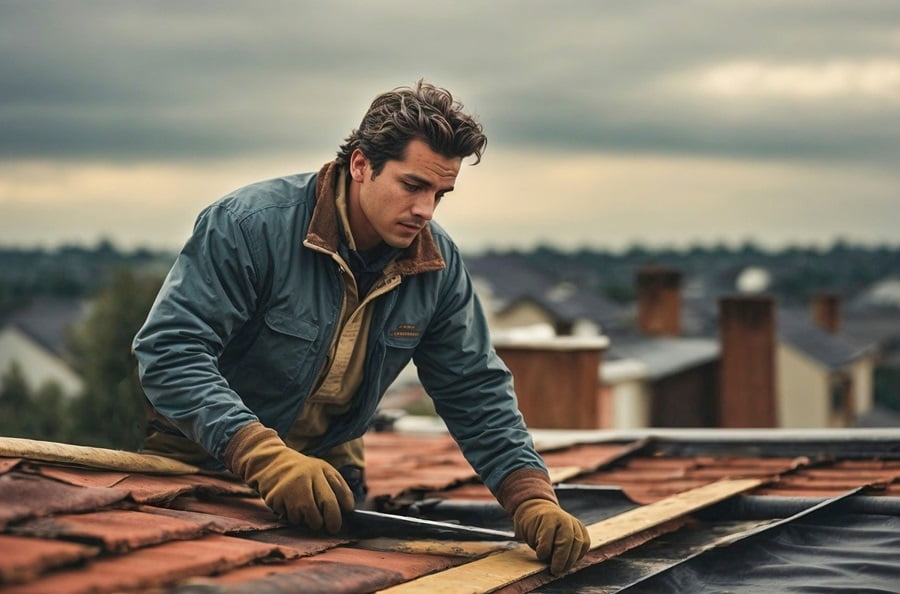
Roof repairs are the second most expensive task to undertake, potentially costing landlords up to £10,500 for a complete replacement. Typically, roofs require a full repair every 25 years, although this timeline can fluctuate based on factors such as weather conditions, property age, and roofing material. Rubber roof and tiles are generally cheaper compared to slate or fibreglass. However, if you're dealing with just a handful of cracked or missing tiles needing replacement, the average cost hovers around £200.
“Look for common signs such as missing or cracked tiles, water stains on ceilings, and damp patches in the attic. Regularly inspect your roof, especially after severe weather - identifying damage early can save landlords significant costs.”
The third most expensive fix for landlords is electrical rewiring, which can zap up to a whopping £10,000 for a full property rewiring. Around 7,000 house fires in the UK are caused by electrical faults annually. To prevent loose wiring and ageing electrical installations from sparking unwanted fires, watch for signs of wear-and-tear like flickering lights, buzzing sounds from sockets, and regular fuse box tripping.
“Electrical safety checks, which average around £215, should be conducted more frequently to ensure your property meets current regulatory requirements. Additionally, monitor whether your home has surpassed the 25-year mark since its last complete rewiring. Updating older systems not only enhances safety but also helps prevent more extensive repairs in the future.”
Rendering comes fourth on the list, with estimated repair costs soaring up to £8,500. However, applying a fresh coat of render will not only protect your exterior from penetrating damp and prolongs lifespan, but also boosts your property value, potentially increasing your asking price sizably.
Rounding off the top five most expensive property damages is plumbing and water damage, with landlords potentially losing up to £5,000 in severe cases like water damage restoration costs post-flooding. Almost 7,000 UK homes and businesses have been flooded in the past 18 months - the wettest period on record - underscoring the widespread impact of water-related issues exacerbated by the UK's notorious weather.
Heath Alexander-Bew further commented on the importance of regular maintenance:
“Caring for rental properties goes beyond mere upkeep - it’s about safeguarding investments and ensuring tenants live in safe, compliant homes. Landlords can significantly mitigate maintenance costs with regular inspections in order to address maintenance needs promptly, preventing small issues from snowballing into major repairs.
Moreover, regular property maintenance tasks such as painting and fixing wear and tear are crucial not only for maintaining a property’s aesthetic appeal but also for enhancing its overall value. Well-maintained properties attract discerning tenants who value quality and are willing to pay competitive rents for a well-cared-for home.”
Related Posts
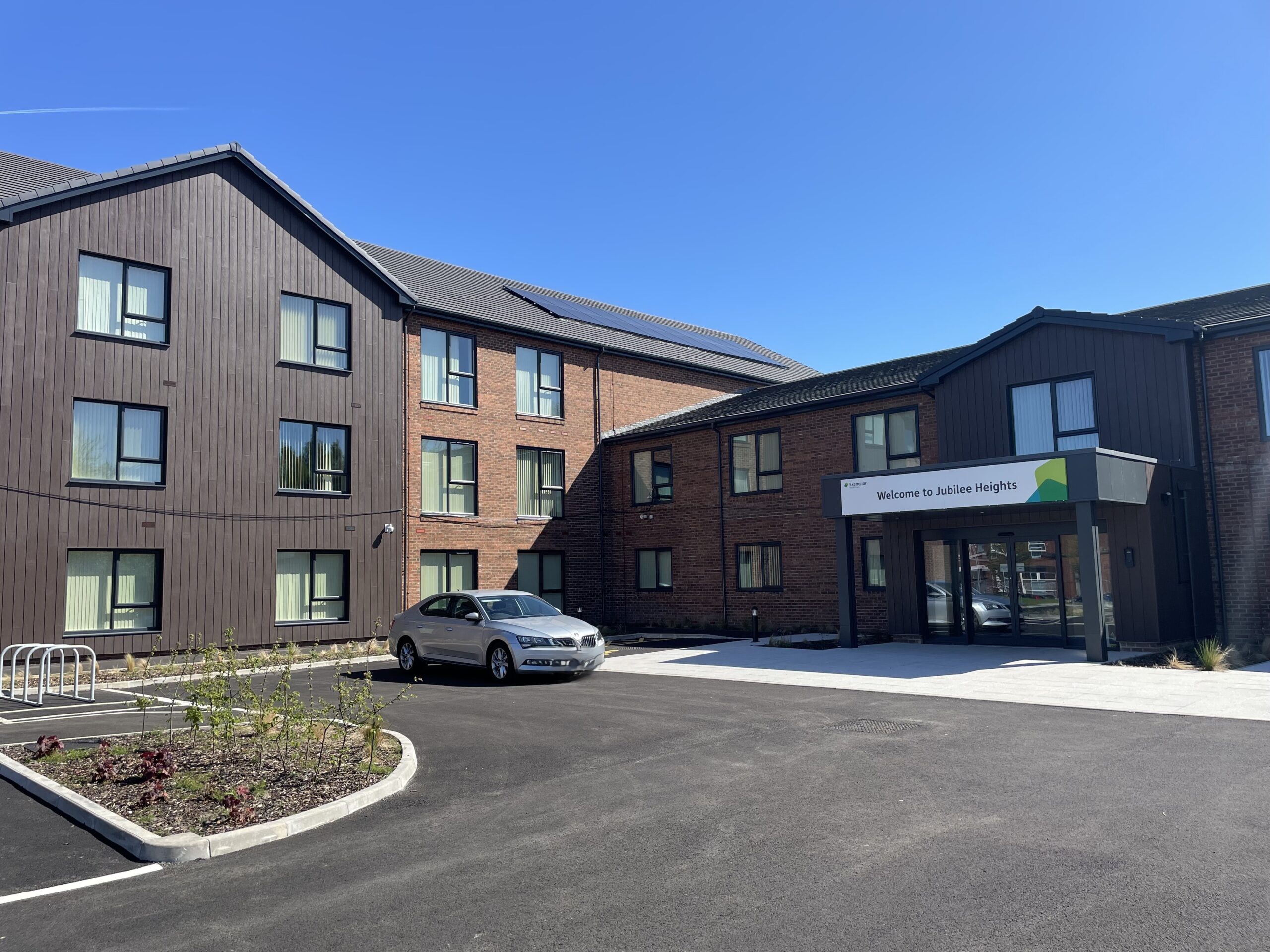
Firecrest Construction Completes 40 Bed Care Home For Exemplar Health Care
Firecrest Construction has successfully completed the complex delivery of a new 40 bed care home in Bury town centre for Exemplar Health Care. As principal contractor to the scheme, Firecrest delivered the job on budget and on time, handing over after 64 weeks...
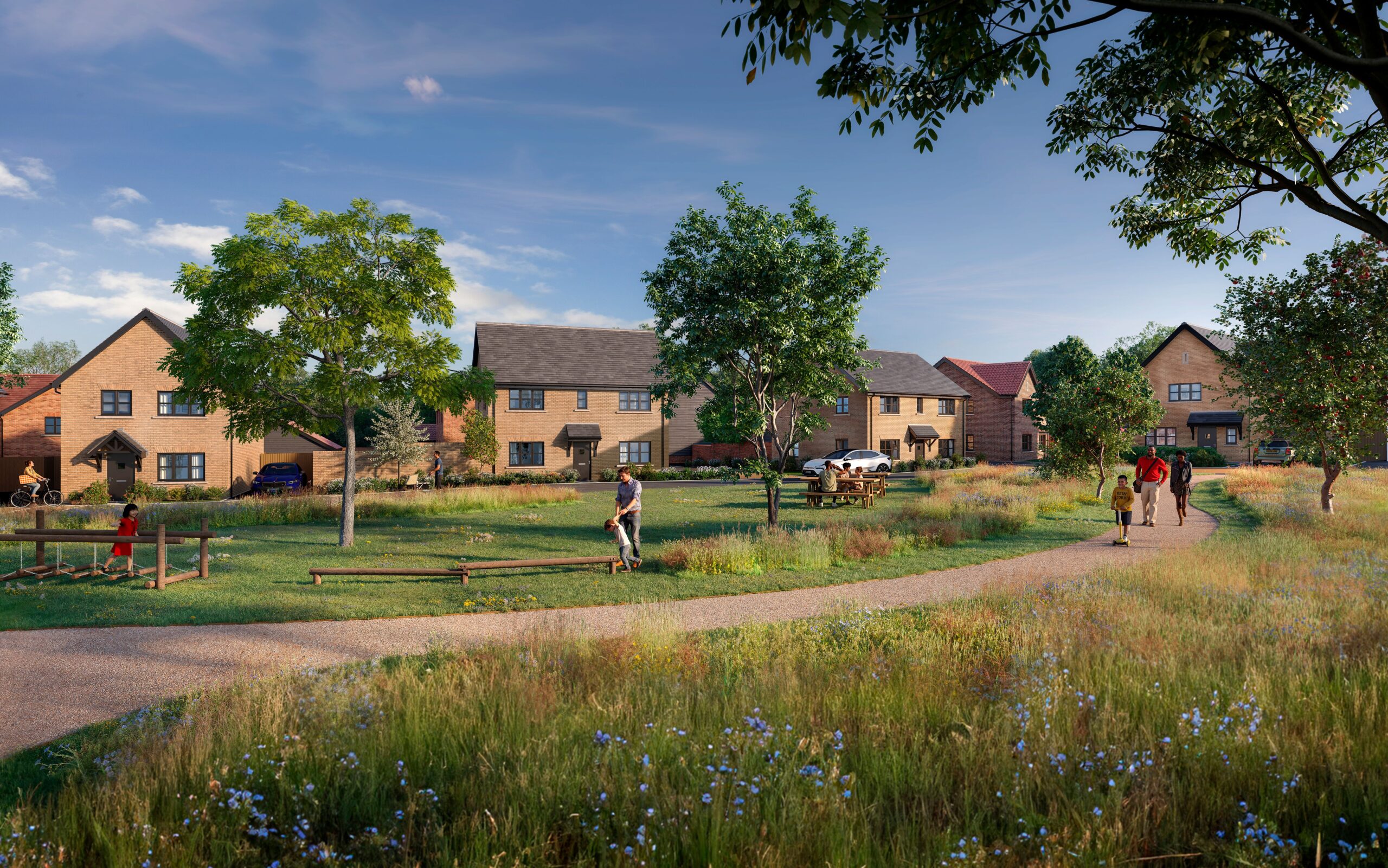
The Hill Group Achieves Hat Trick of Planning Successes Across the South East
Award-winning housebuilder The Hill Group has secured a hat trick of planning permissions across the South East, marking a significant milestone in the delivery of much-needed new homes across the region. Across three newly approved schemes in Essex, Oxfordshire and...
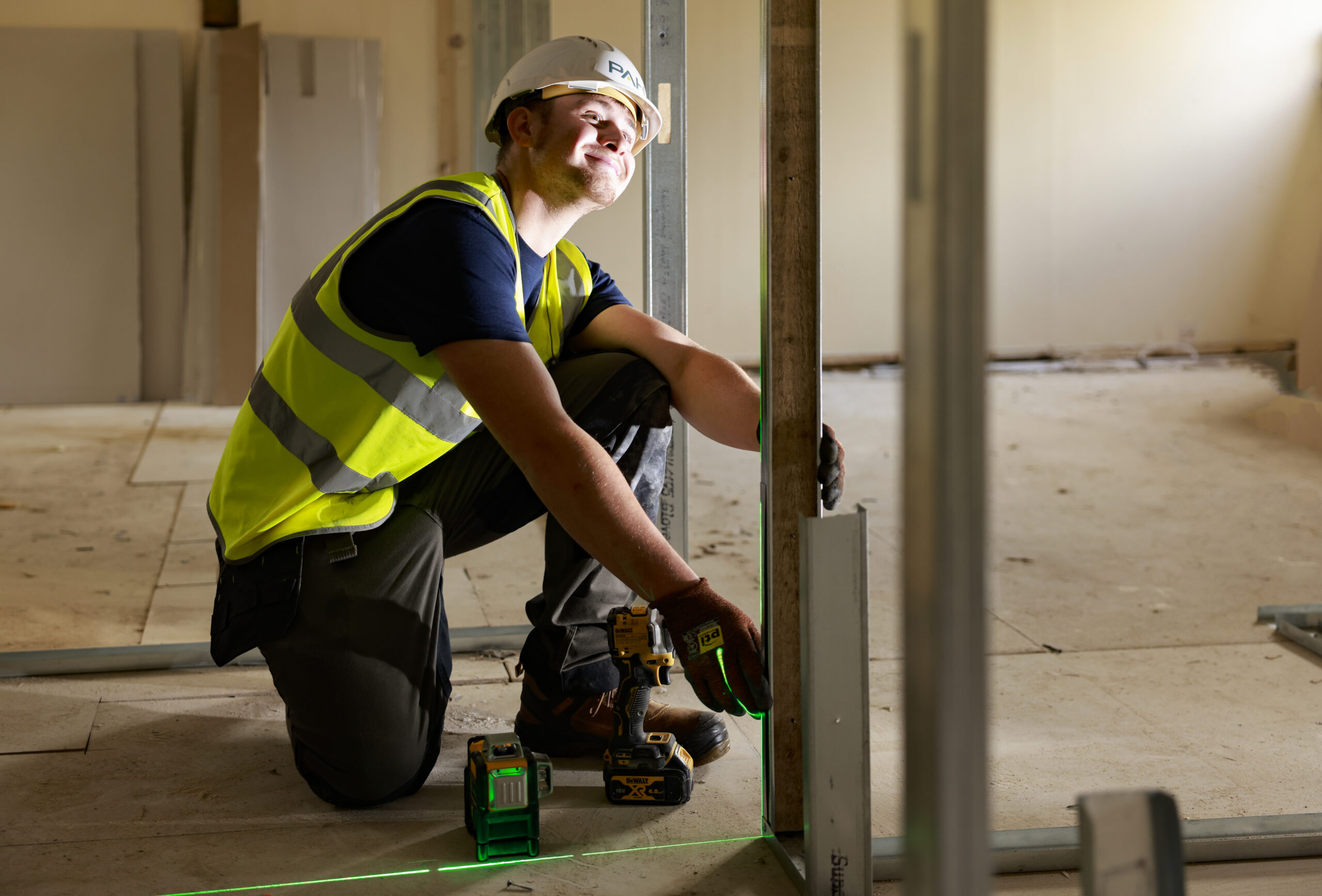
Hampshire construction firm charts record growth despite industry challenges
Hampshire-based construction firm, PAH Building & Construction, has already secured two thirds of its projected £18 million turnover for 2026, driven mainly by growth in its retrofitting and insurance work. This milestone has been achieved despite wider industry...