
High Winds, High Stakes: Strengthening Scaffolding Safety for Winter Storms
As winter weather approaches, construction sites across the UK face added challenges, with scaffolding safety taking centre stage in ensuring the protection of workers and the public alike. The recent incident on Sutton High Street serves as a stark reminder of what can happen when scaffolding isn't built or maintained to the highest standards. With […]
Nov 20, 2024
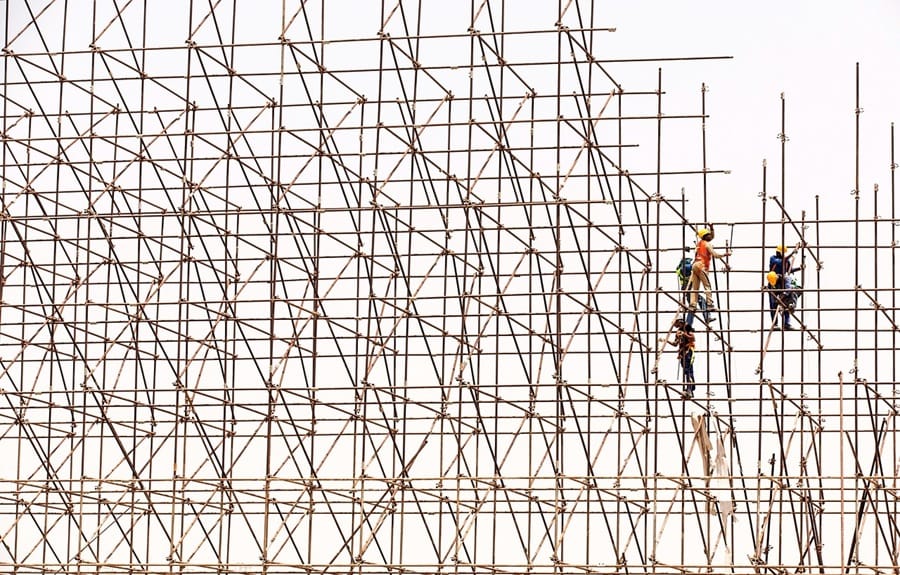
As winter weather approaches, construction sites across the UK face added challenges, with scaffolding safety taking centre stage in ensuring the protection of workers and the public alike. The recent incident on Sutton High Street serves as a stark reminder of what can happen when scaffolding isn't built or maintained to the highest standards. With severe weather warnings becoming more frequent, and extreme conditions like high winds and heavy rain becoming the norm, it's crucial to highlight the often-overlooked risks associated with scaffolding—and the importance of adhering to safety regulations.
In early January, Croydon’s Sutton High Street experienced a dramatic scaffolding collapse, which was caught on camera and shared widely on social media. The footage showed a scaffolding tower collapsing under the force of 60mph winds brought by Storm Henk, crashing into the street below. Fortunately, no one was injured, but the public response was swift and alarmed. While some blamed the storm, others pointed the finger at possible poor workmanship and lack of safety practices.
Sutton Council and the Health and Safety Executive (HSE) have since launched a full investigation into the incident. A multi-agency effort is underway to determine the root causes of the collapse, scrutinising everything from the construction company’s adherence to safety regulations to the impact of severe weather conditions. This incident underscores the serious risks that scaffolding can pose when safety is not prioritised.
Clive Dickin, CEO of the National Access and Scaffolding Confederation (NASC), has been vocal about the critical safety concerns in the scaffolding industry. Speaking at UK Construction Week, he emphasised:“Falls from height remain the most serious of accidents, and fall prevention continues to be our number one priority.” He noted that people often assume the scaffolding they purchase is inherently safe, but without the right contractor and proper compliance, the risks can be significant.
In the case of Sutton High Street, high winds caused the scaffolding to collapse—an event that should have been preventable. Properly designed and erected scaffolding, built to withstand the effects of severe weather, should have remained secure. But as Dickin pointed out, "Recent incidents with the winter storms and the proliferation of less rigorous procurement processes have raised concerns." With winter bringing an increased frequency of high winds, snow, and ice, the risks associated with scaffolding are amplified.
The Health and Safety Executive (HSE) provides clear guidance on scaffolding safety, with a particular focus on preventing falls from height. According to their standards, scaffolding must be designed, erected, altered, and dismantled only by competent people. This includes carrying out strength and stability calculations for each structure, ensuring the correct number of ties are in place, and conducting regular inspections.
One of the key factors in scaffolding safety is ensuring the right contractor is hired. Clive Dickin explains, “Competence is critical. The contractor should be properly accredited, audited, and legal.” NASC members undergo rigorous audits, which are now endorsed by the National Federation of Builders (NFB). This partnership ensures that NASC membership is a recognised standard for scaffolding safety, providing peace of mind for those procuring scaffolding services.
Safety Tips: What You Can Do
As the winter months bring harsher weather conditions, there are several steps construction companies and site managers should take to mitigate the risks associated with scaffolding:
- Don’t cut corners on cost: It might be tempting to opt for a cheaper scaffolding provider, but investing in a competent contractor accredited by the NASC is essential.
- Design and compliance: Ensure that you have a clear design and compliance sheet that addresses specific site conditions, particularly the potential impact of adverse weather.
- Weekly and weather-specific inspections: Inspections are required after installation, at least every seven days, and immediately after any severe weather that could affect stability, such as storms or high winds.
- Avoid unapproved modifications: Never alter scaffolding without consulting a competent person. This can lead to instability and increased risk of collapse.
- Ongoing supervision: Scaffolding should be regularly monitored by trained supervisors, especially when winter conditions increase the likelihood of accidents.
The Sutton High Street incident has sparked concern and raised awareness about the potential dangers associated with scaffolding. As the UK transitions into its winter season, with an increased likelihood of storms, high winds, and freezing conditions, scaffolding safety is more crucial than ever. By following NASC guidelines and HSE regulations, contractors can ensure that they are mitigating the risks involved, protecting workers and the public from preventable accidents.
Clive Dickin summarises the importance of compliance and vigilance: “For almost 80 years, NASC has published highly respected guidance and audited its members to that guidance, with proven results. It’s truly exciting that more builders and contractors are recognising the importance of these standards. But as we enter the winter months, we must remain vigilant and proactive to ensure that scaffolding remains safe in all conditions.” By adhering to the highest standards and preparing for the unique challenges posed by winter, we can work to prevent incidents like the one in Sutton from happening again. Scaffolding is essential to construction, but only when it is safe, stable, and compliant with the latest industry standards.
Related Posts

RIBA Announces 34 Winners Of The International Awards For Excellence
The Royal Institute of British Architects (RIBA) has today announced the 34 winning projects of the RIBA International Awards for Excellence 2026. Recognising inspiring architecture across 15 countries and four continents, this yearʼs cohort responds directly to...
Anwyl Submits Plans For New Homes And Local Centre In Alsager
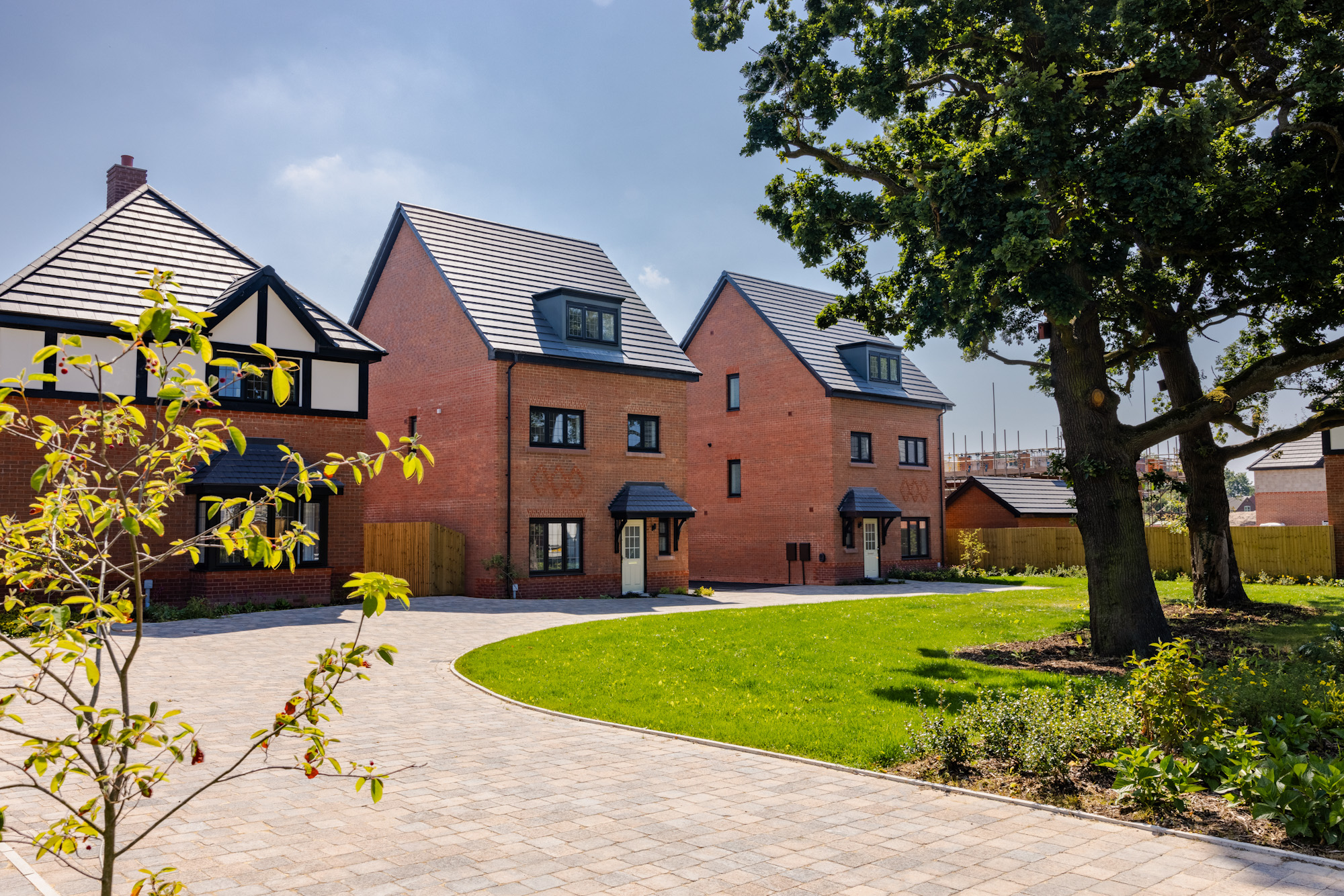
Plans to transform a former quarry site in Alsager into a new neighbourhood featuring homes and community facilities have been submitted. Anwyl Homes has lodged a hybrid planning application with Cheshire East Council for just over 54 acres of land at White Moss...
New active travel bridge for Cardiff by Moxon and Arcadis gets go-ahead
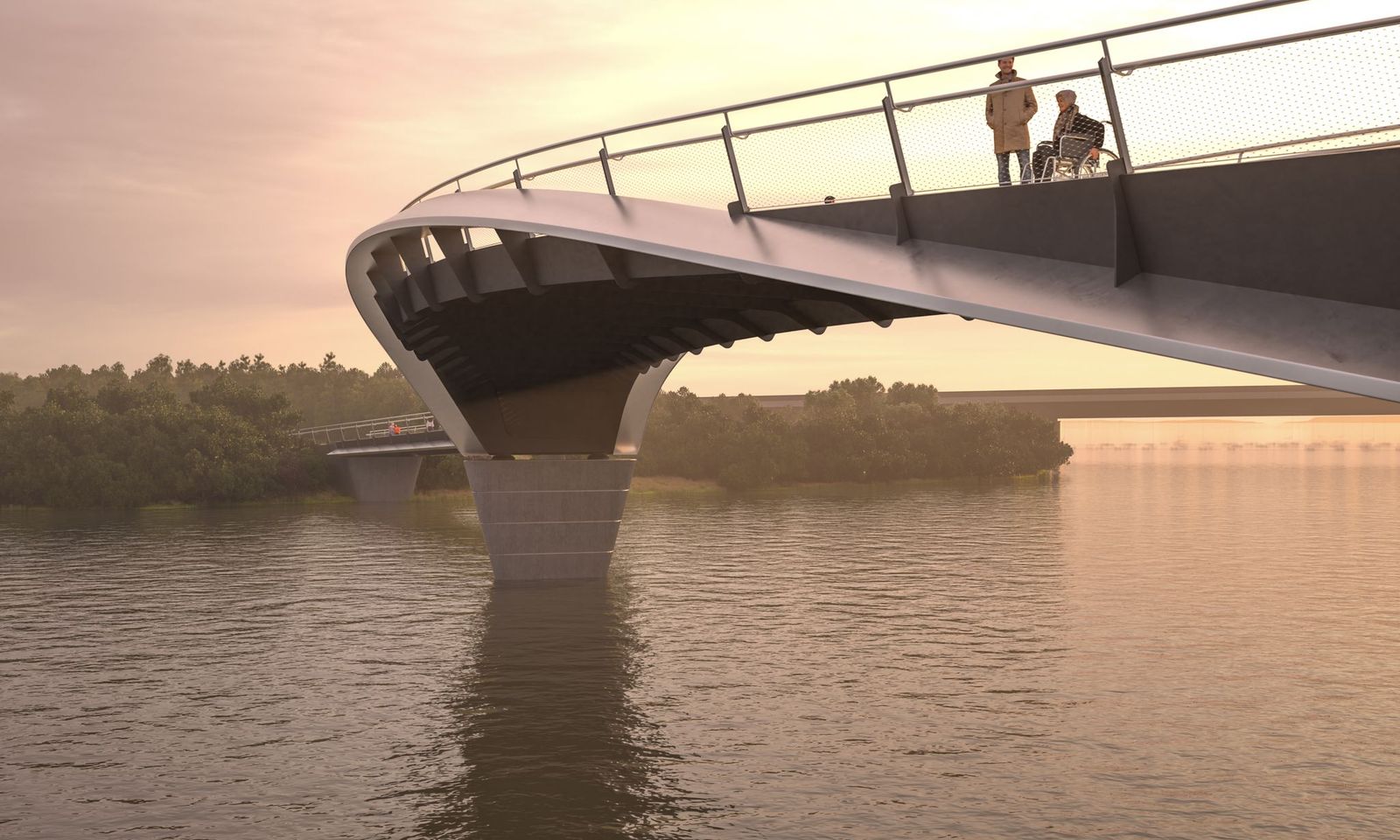
Moxon Architects and Arcadis have been granted planning approval for a new pedestrian and cycle bridge across the River Taff in Cardiff. The 165m-long bridge is part of Cardiff Council’s ambitious Channel View Estate regeneration scheme and will improve connectivity...