
Digitalisation: Transforming the Construction Industry
Discover how digitalisation is revolutionising the construction industry and driving technological advancements. The Impact of Digitalisation on Construction Processes Digitalisation has had a profound impact on construction processes, transforming the way projects are planned, designed, and executed. Through the use of advanced technologies such as Building Information Modeling (BIM) and cloud-based project management systems, construction […]

Jan 23, 2024
Discover how digitalisation is revolutionising the construction industry and driving technological advancements.
The Impact of Digitalisation on Construction Processes
Digitalisation has had a profound impact on construction processes, transforming the way projects are planned, designed, and executed. Through the use of advanced technologies such as Building Information Modeling (BIM) and cloud-based project management systems, construction companies can now streamline their operations, reduce errors, and improve overall project efficiency.
By digitising construction processes, companies can create digital models of buildings and infrastructure, allowing for better visualisation and coordination among various stakeholders. This not only improves the accuracy of construction plans but also enables real-time collaboration and communication, leading to faster decision-making and smoother project execution.
Furthermore, digitalisation has enabled the integration of various construction processes, such as design, procurement, and construction, into a single digital platform. This integration allows for better coordination and synchronisation, reducing delays and cost overruns. With digital tools and technologies, construction companies can now optimise their workflows, automate repetitive tasks, and achieve higher levels of productivity.
Overall, the impact of digitalisation on construction processes is undeniable. It has revolutionised the way projects are planned and executed, leading to improved efficiency, reduced costs, and enhanced project outcomes.
Enhancing Efficiency and Productivity through Technology
Digitalisation has brought about a wave of technological advancements that have significantly enhanced efficiency and productivity in the construction industry. One of the key technologies driving this transformation is the use of drones for site surveying and monitoring. Drones equipped with high-resolution cameras and sensors can capture detailed aerial images and collect data, allowing for more accurate site assessments and progress tracking.
In addition to drones, construction companies are also leveraging other technologies such as virtual reality (VR) and augmented reality (AR) to enhance efficiency and productivity. VR and AR tools enable stakeholders to visualise and experience construction projects before they are built, enabling better decision-making and reducing errors. These technologies also facilitate virtual walkthroughs, allowing for better coordination and communication among project teams.
Moreover, the adoption of Internet of Things (IoT) devices and sensors has enabled real-time monitoring and data collection on construction sites. This data can be analysed to identify bottlenecks, optimise workflows, and improve resource allocation. With the help of IoT devices, construction companies can now track equipment, monitor worker safety, and automate processes, leading to increased productivity and reduced downtime.
Overall, technology has played a crucial role in enhancing efficiency and productivity in the construction industry. The use of drones, VR, AR, and IoT devices has revolutionised construction processes, enabling companies to achieve higher levels of productivity and deliver projects more effectively.
Improving Safety and Risk Management with Digital Solutions
Safety is a top priority in the construction industry, and digitalisation has brought significant improvements in safety and risk management. Through the use of digital solutions such as wearable devices and sensors, construction companies can now monitor workers' health and safety in real-time. These devices can detect potential hazards, track workers' movements, and provide alerts in case of emergencies.
Furthermore, digitalisation has enabled the implementation of virtual safety training programs, allowing workers to learn and practice safety protocols in a simulated environment. This not only enhances their knowledge and skills but also reduces the risk of accidents and injuries on construction sites.
Digital solutions have also improved risk management in construction projects. With the help of predictive analytics and data-driven insights, construction companies can now identify and mitigate potential risks before they escalate. This proactive approach to risk management has led to reduced project delays, cost overruns, and safety incidents.
Overall, digital solutions have revolutionised safety and risk management in the construction industry. By employing wearable devices, virtual training programs, and data-driven analytics, construction companies can ensure the well-being of their workers and minimise risks on construction sites.
Streamlining Communication and Collaboration in Construction Projects
Effective communication and collaboration are crucial for the success of construction projects, and digitalisation has significantly streamlined these processes. With the use of cloud-based project management systems and collaboration tools, project teams can now share information, documents, and updates in real-time.
These digital platforms allow for seamless communication among project stakeholders, regardless of their geographical location. Project managers can assign tasks, track progress, and provide feedback, while team members can access project documents, raise queries, and collaborate on designs. This real-time collaboration eliminates the need for lengthy email exchanges and ensures that everyone is on the same page.
Moreover, digitalisation has enabled the integration of various communication channels, such as video conferencing and instant messaging, into a single platform. This integration allows for faster and more efficient communication, reducing delays and improving decision-making.
Overall, digitalisation has revolutionised communication and collaboration in construction projects. By providing real-time access to information and enabling seamless collaboration, digital tools and platforms have improved project coordination, reduced miscommunication, and resulted in better project outcomes.
Embracing Sustainability through Digital Tools and Practices
Sustainability is a pressing concern in the construction industry, and digitalisation has paved the way for more sustainable practices. Through the use of digital tools and technologies, construction companies can now optimise resource utilisation, reduce waste, and minimise environmental impact.
One of the key ways digitalisation promotes sustainability is through the adoption of BIM. BIM allows for the creation of digital models that simulate the entire lifecycle of a building or infrastructure project. With these models, companies can analyse the environmental impact of different design choices, optimise energy consumption, and identify opportunities for renewable energy integration.
Digitalisation has also facilitated the implementation of smart building technologies, such as energy monitoring systems and automated controls. These technologies enable real-time monitoring and control of energy usage, allowing for better energy management and reduced carbon footprint.
Furthermore, digitalisation has made it easier for construction companies to track and manage their supply chains. With the help of digital platforms, companies can now monitor the sustainability credentials of their suppliers, ensure compliance with environmental regulations, and promote responsible sourcing practices.
In conclusion, digital tools and practices have enabled construction companies to embrace sustainability and reduce their environmental impact. Through the use of BIM, smart building technologies, and supply chain management systems, companies can optimise resource utilisation, reduce waste, and contribute to a more sustainable future.
Related Posts
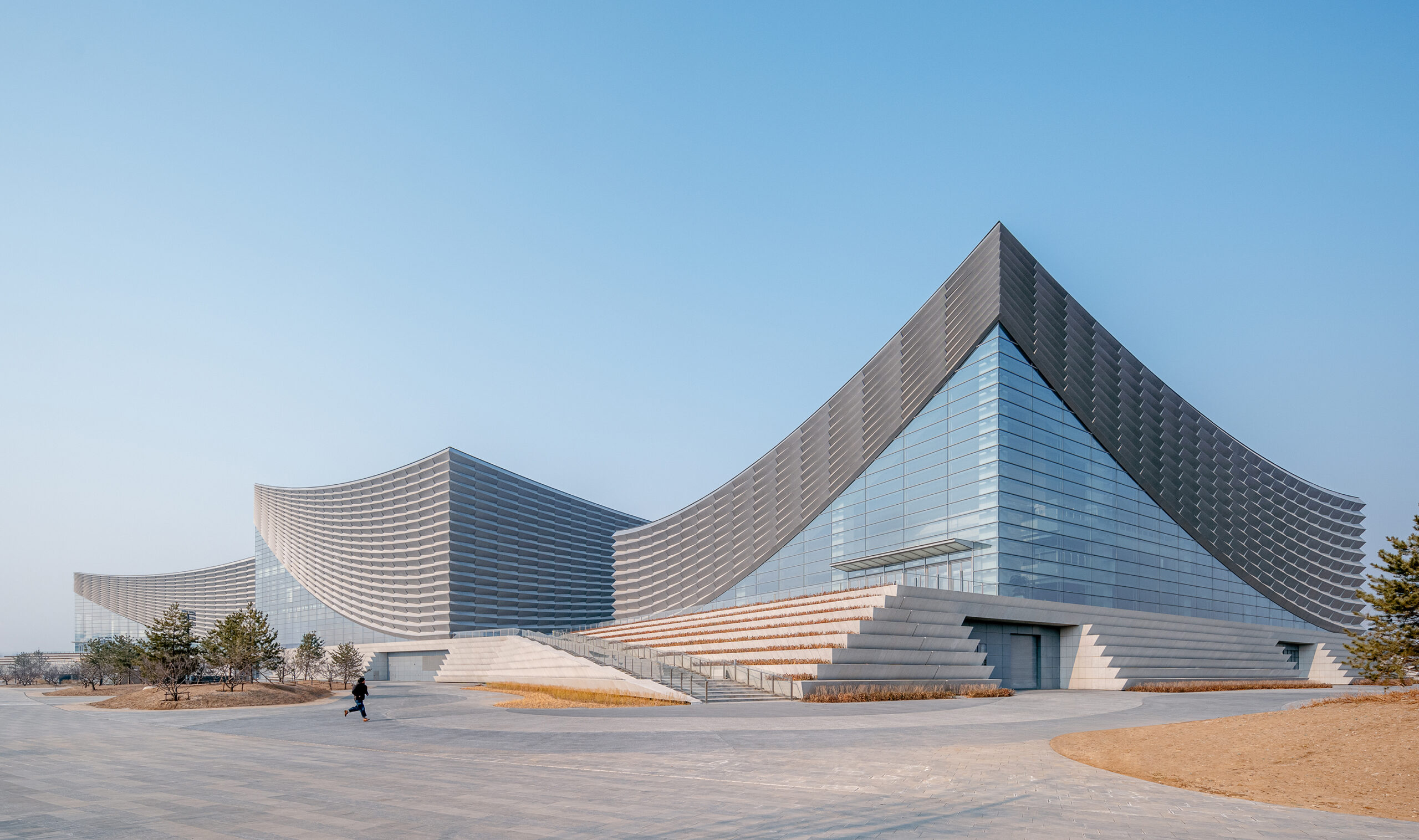
RIBA Announces 34 Winners Of The International Awards For Excellence
The Royal Institute of British Architects (RIBA) has today announced the 34 winning projects of the RIBA International Awards for Excellence 2026. Recognising inspiring architecture across 15 countries and four continents, this yearʼs cohort responds directly to...

Anwyl Submits Plans For New Homes And Local Centre In Alsager
Plans to transform a former quarry site in Alsager into a new neighbourhood featuring homes and community facilities have been submitted. Anwyl Homes has lodged a hybrid planning application with Cheshire East Council for just over 54 acres of land at White Moss...
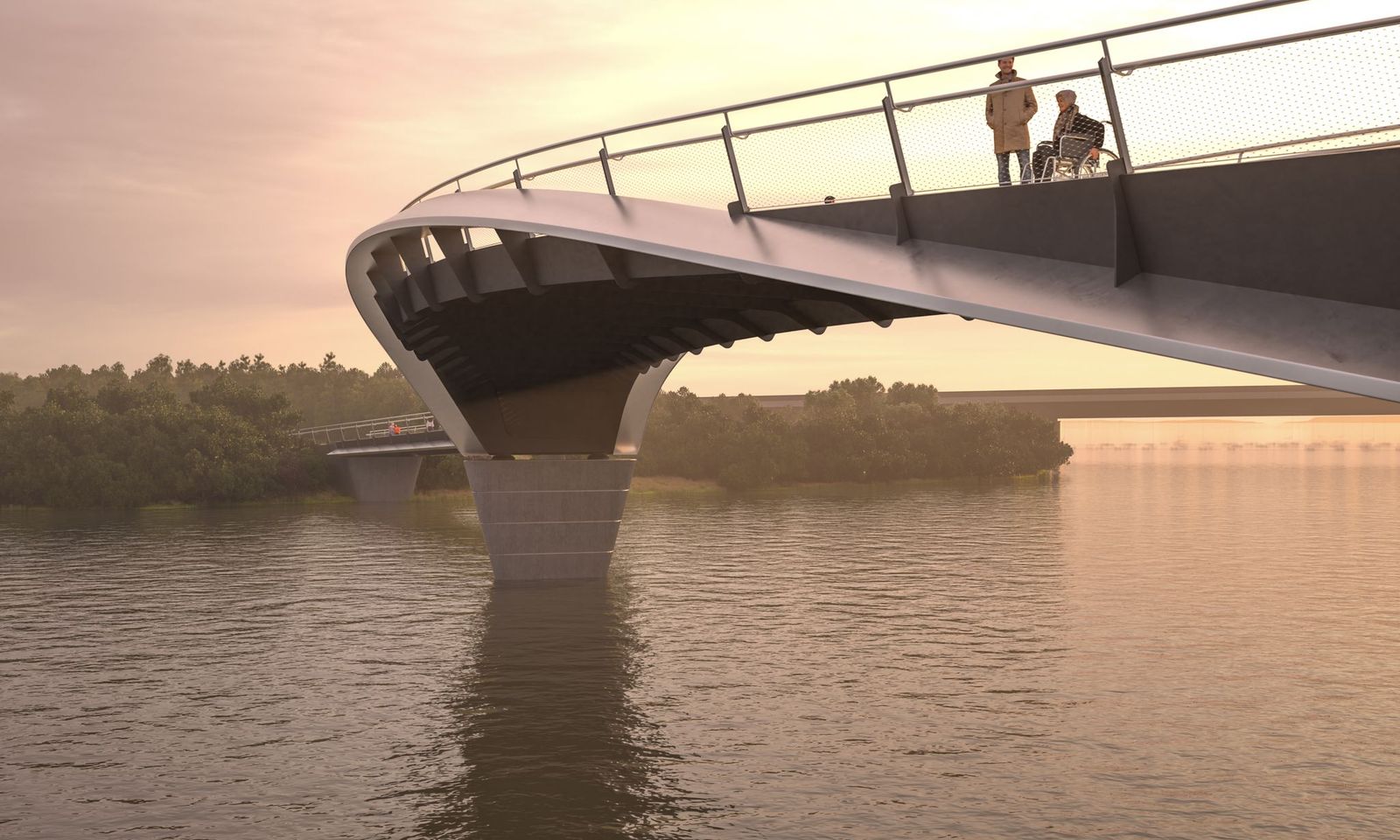
New active travel bridge for Cardiff by Moxon and Arcadis gets go-ahead
Moxon Architects and Arcadis have been granted planning approval for a new pedestrian and cycle bridge across the River Taff in Cardiff. The 165m-long bridge is part of Cardiff Council’s ambitious Channel View Estate regeneration scheme and will improve connectivity...