
Construction finance rejections rise 41%
Construction businesses applied for more finance in 2026 but faced a sharp rise in rejections, according to Capitalise. Its data shows construction applications rose 17% year on year between January and September while rejections rose 41%, with an average loan request of around £49,400. Across all sectors, the overall rejection rate rose from 16.5% to 19.5%.

Nov 23, 2026
Construction businesses applied for more finance this year but faced a sharp increase in rejections, according to new data from small business finance platform Capitalise. Construction applications rose 17% year on year between January and September 2026, while rejections rose 41%.
The average loan requested by construction businesses was around £49,400. Capitalise, which drew the figures from its own small business lending activity, said the rise in rejections suggests lenders are remaining cautious about a historically volatile sector.
Across all sectors, applications rose 16.5% and offers rose 22% compared with the same period in 2025, while the overall rejection rate increased from 16.5% to 19.5%. The sharpest regional rise was in south-west England, where the rejection rate climbed from 14.6% to 21.1%. In the East Midlands, offers fell 21% and rejections rose 61%.
Property businesses requested the highest average loans, at around £56,100, and were the least likely to be rejected. Capitalise suggested this may be because property often gives lenders an asset to secure a loan against. Manufacturers requested around £52,600 on average but were the most likely to be rejected, with nearly half of applications turned down.
The data also indicates that a decline from one lender is often not final. Between January 2024 and June 2026, 26.5% of funding searches were declined by at least one lender, and 35.7% of those went on to receive an offer from another. In 87% of such cases, the offer arrived on the same day as, or before, the decline.
Nick Richardson, head of funding at Capitalise, said: "Although rejections have risen too, a decline from one lender isn't the end of the road. More than one in three businesses turned down by a lender still went on to receive an offer from another."
He added: "If you're worried about being rejected, there are practical steps you can take. Check your business credit score so you know where you stand and what to improve, keep your financial records up to date, and have a clear plan for how the funding will be used. Speaking to a finance specialist before you apply can also help."
The analysis is based on anonymised applications made through Capitalise and compares January to September 2025 with the same period in 2026. Amounts are the sums businesses requested rather than amounts lent, and are estimated from £20,000 bands. For wider context, the British Business Bank reported that SME bank lending rose 9% to £68bn in 2025.
Sponsored Advert

Related Posts
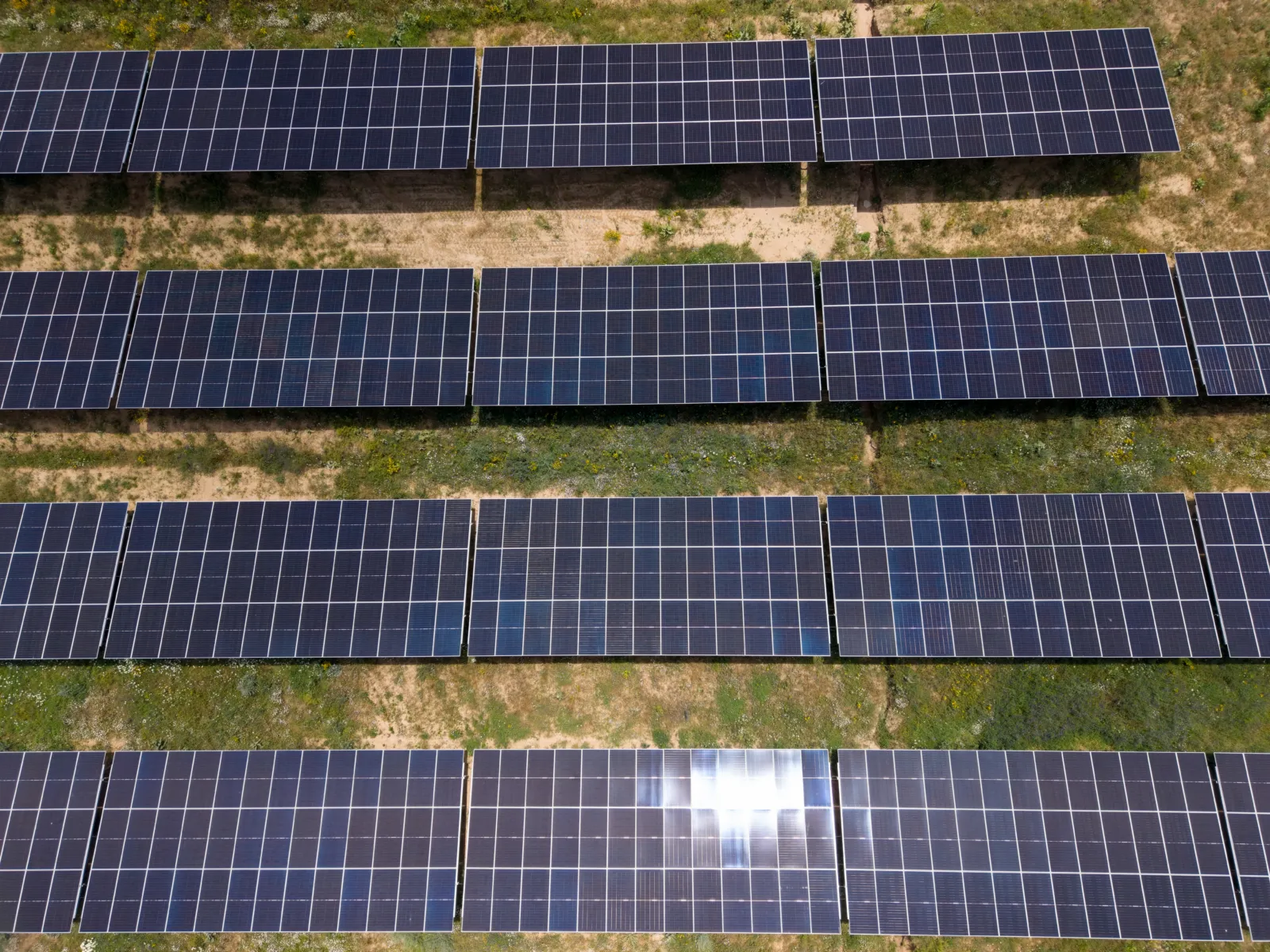
Drones lift solar panels at Bentley
More than 2,000 solar panels weighing 55 tonnes have been lifted onto the roof of Bentley Motors’ paint shop facility in Crewe using heavy-lift cargo drones. AutoSpray Systems carried out the flights for main contractor Push Power, with roof loading limits meaning the drones carried two panels per flight rather than landing full pallets on the roof of the live site in Cheshire.
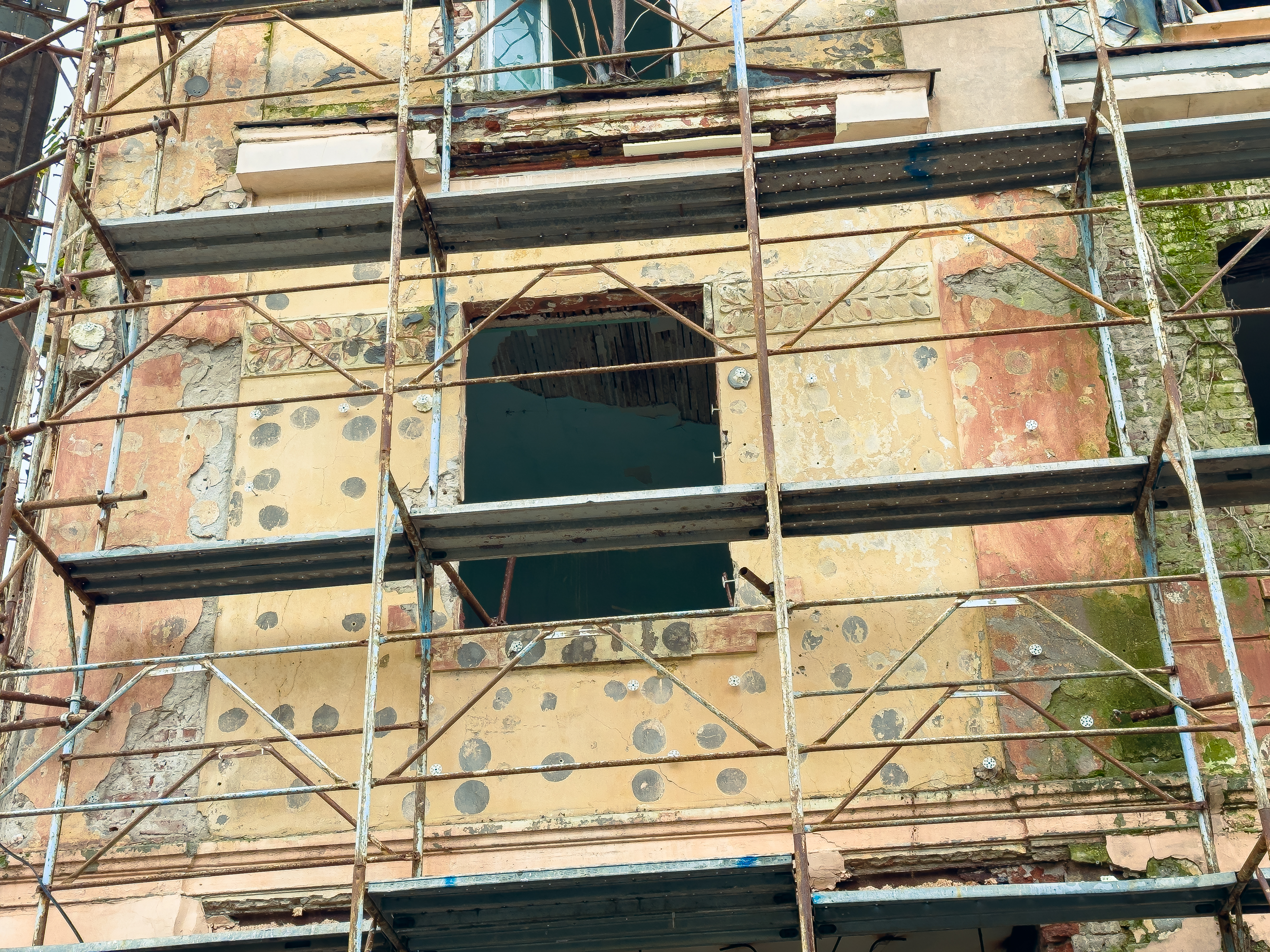
Kane secures £40m Victoria Street package
Building services specialist Kane Group has secured a £40m contract for the mechanical, electrical and plumbing package on the refurbishment of 171 Victoria Street, the former John Lewis head office in Westminster, where Sisk is main contractor. The works will be delivered on a design and build basis while retail units stay open, with prefabricated elements made off-site.
Housebuilders face scrutiny over renewable claims
New SBTi reporting rules will require large energy users to disclose how closely their electricity use matches renewable generation hour by hour. Good Energy says 40 UK real estate and homebuilding businesses are likely to fall into the highest category, and that tariffs marketed as 100% renewable may look very different under the new approach.