
Built environment sector lacks clarity around its carbon emissions
According to new research, the majority (58%) of built environment professionals believe the sector is already doing enough to tackle its carbon impact, despite the built environment contributing 36% of total global energy-related CO2 emissions, and the most recent available data showing that CO2 from operational energy use of buildings reached its highest level yet […]
Nov 23, 2021
According to new research, the majority (58%) of built environment professionals believe the sector is already doing enough to tackle its carbon impact, despite the built environment contributing 36% of total global energy-related CO2 emissions, and the most recent available data showing that CO2 from operational energy use of buildings reached its highest level yet in 2019.
For its City of Tomorrow report, building performance analyst IES spoke to a wide range of professionals working in the built environment sector about the current status of sustainability methods and targets, including engineers, facilities managers, contractors, developers, planners and architects.
The report revealed that only 29% of those working in the sector felt that it should be doing more to reduce its carbon impact, and 13% were unsure if current efforts would be enough.
The research suggests that this complacency could stem from a lack of awareness around the full extent of the built environment’s carbon contributions.
It’s been demonstrated that the built environment contributes almost 40% of the UK’s total carbon footprint, yet when asked to estimate this figure, 80% of those surveyed answered incorrectly, with 45% underestimating the total percentage. Six percent guessed as low as between 1-10%.
When asked which aspect of the sector they believe is the place where most sustainability gains can be made, 51% of those surveyed said construction. However, only 22% said operation/energy use, and just 4% said materials development.
Don McLean, CEO of IES, commented: “While it’s great that awareness of climate issues in general is now pretty widespread, and 79% of organisations in the built environment sector are actively working towards net zero, it’s clear that more needs to be done to communicate the built environment’s role in carbon emissions to those working in the sector.
“In particular, we really need to raise awareness of the environmental impact of buildings’ operational energy use, with the available data showing that emissions from building operations are still a huge problem, that efforts up til now have failed to tackle effectively.
“Reducing the emissions created during the construction process is of course essential, however considering that 80% of the buildings that will be around in 2050 are built already, optimising the operational efficiency of those already in existence is just as, if not more important.”
Related Posts

Girls Rise to the Challenge
Fifty Year 5 girls from 10 schools across Bolton were introduced to the world of construction this June as they took part in the Girls in Construction Challenge Day, delivered by Michaela Wain and Design & Build UK alongside sponsors NOCN, DEWALT and Huws Gray....

Heatherwick Studio transforms historic London icon, Olympia, into a new cultural neighbourhood
This summer, Heatherwick Studio and SPPARC reveal the first phase of Olympiaʼs transformation from exhibition venue into a new cultural neighbourhood, reimagining one of London's great Victorian public buildings. Originally opened in 1886, Olympia was synonymous with...
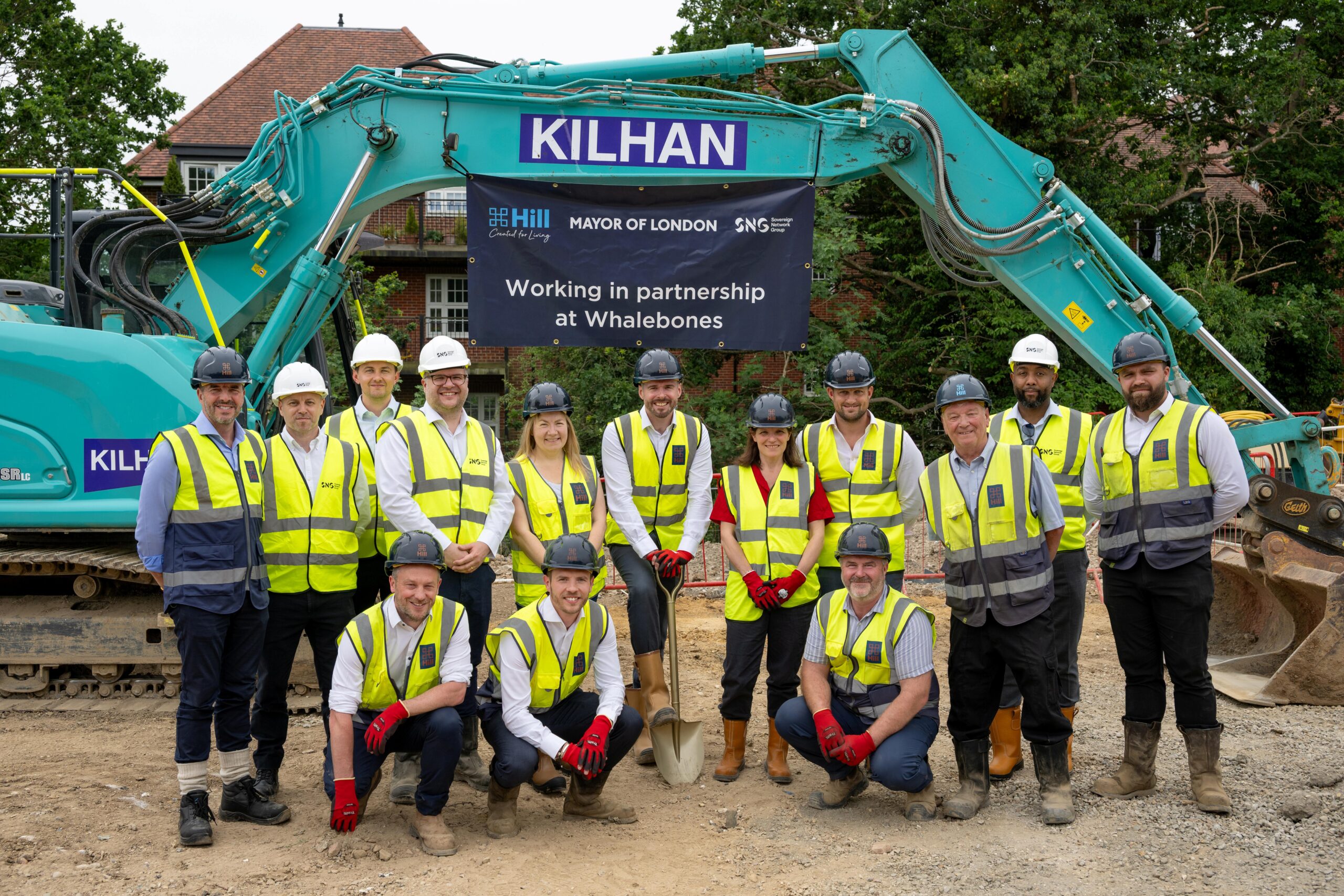
Deputy Mayor Tom Copley Visits Whalebones Park To See Progress On Landmark Barnet Development
Deputy Mayor for Housing and Residential Development, Tom Copley, visited the Whalebones Park development in Barnet on 29 May 2026, joining award-winning housebuilder The Hill Group and its partner Sovereign Network Group (SNG) to see first-hand the progress being...