
Building Capacity for Better Care
Investment in healthcare infrastructure continues to gather pace as the government commits £237 million towards 36 new and upgraded Community Diagnostic Centres (CDCs) across England. Amongst the projects benefiting from the programme is Walton Hospital in Chesterfield, where an expansion of the existing diagnostic centre will strengthen imaging capability whilst demonstrating how modern construction methods are helping the NHS respond […]

Aug 17, 2026
Investment in healthcare infrastructure continues to gather pace as the government commits £237 million towards 36 new and upgraded Community Diagnostic Centres (CDCs) across England. Amongst the projects benefiting from the programme is Walton Hospital in Chesterfield, where an expansion of the existing diagnostic centre will strengthen imaging capability whilst demonstrating how modern construction methods are helping the NHS respond to increasing demand for diagnostic services.
The expansion builds on the success of Walton Hospital's purpose-built CDC, which opened in 2025 to provide a dedicated environment for diagnostic testing away from the pressures of an acute hospital. Delivered using offsite construction by bespoke modular building specialist Actiform, the facility was designed to create a flexible, future ready healthcare environment capable of supporting a wide range of clinical services. The next phase of development will introduce permanent MRI and CT scanners alongside DEXA scanning, audiology and transnasal endoscopy, replacing temporary mobile facilities and significantly increasing on site diagnostic capacity.
The project reflects a wider shift towards purpose designed community healthcare facilities that can be delivered efficiently whilst maintaining high clinical standards. Modern methods of construction continue to play an increasingly important role in the healthcare sector, enabling shorter construction programmes, reduced disruption to operational hospital sites and greater flexibility for future expansion. At Walton Hospital, the modular approach has already created a building capable of adapting to changing clinical requirements, allowing additional imaging facilities to be incorporated as demand grows.
Research from NHS England indicates that more than 750,000 diagnostic tests have already been carried out through Community Diagnostic Centres across the East Midlands during the current financial year, with more than 1.5 million delivered across the wider Midlands region. As demand continues to rise, investment in dedicated diagnostic infrastructure is becoming increasingly important to support earlier diagnosis whilst reducing pressure on acute hospitals.
Highlighting the regional impact of the latest investment, Dr Jessica Sokolov, Regional Medical Director for NHS England, Midlands, explained: "We're already seeing more tests delivered in region and this additional investment will mean more patients across the East Midlands will be able to access scans and tests faster and at convenient locations to them." Her comments reinforce the importance of expanding healthcare infrastructure that improves both operational capacity and patient access.
The Walton Hospital development also demonstrates the growing emphasis on designing healthcare facilities with long term performance in mind. Alongside imaging suites and clinical spaces, the building incorporates low carbon technologies including air source heat pumps, a substantial photovoltaic array and energy efficient ventilation systems tailored to diagnostic environments. These measures support the NHS's wider sustainability ambitions whilst helping to reduce operational costs throughout the building's lifespan.
Emphasising the wider ambition behind the programme, Health and Social Care Secretary Wes Streeting commented: "The NHS should be there for all of us when we need it, catching illness earlier so we can treat it faster. We're not just investing in more, but delivering differently. The NHS should fit around people's lives, not require patients to fit their lives around the NHS. Community Diagnostic Centres mean patients can get tests, checks and scans whilst they're doing their shopping on the weekend or on the way to pick up the kids from school, without travelling across town to a hospital." His comments underline the government's commitment to investing in healthcare environments that combine modern construction, advanced diagnostic technology and improved accessibility for local communities.
As the NHS continues to expand its Community Diagnostic Centre programme, projects such as Walton Hospital demonstrate how collaboration between healthcare providers, designers and specialist construction partners can deliver adaptable, sustainable facilities that are equipped to meet future demand. By combining modern methods of construction with high-quality clinical design, the scheme provides a blueprint for delivering resilient healthcare infrastructure that benefits both patients and the wider health service.
Sponsored Advert

Related Posts
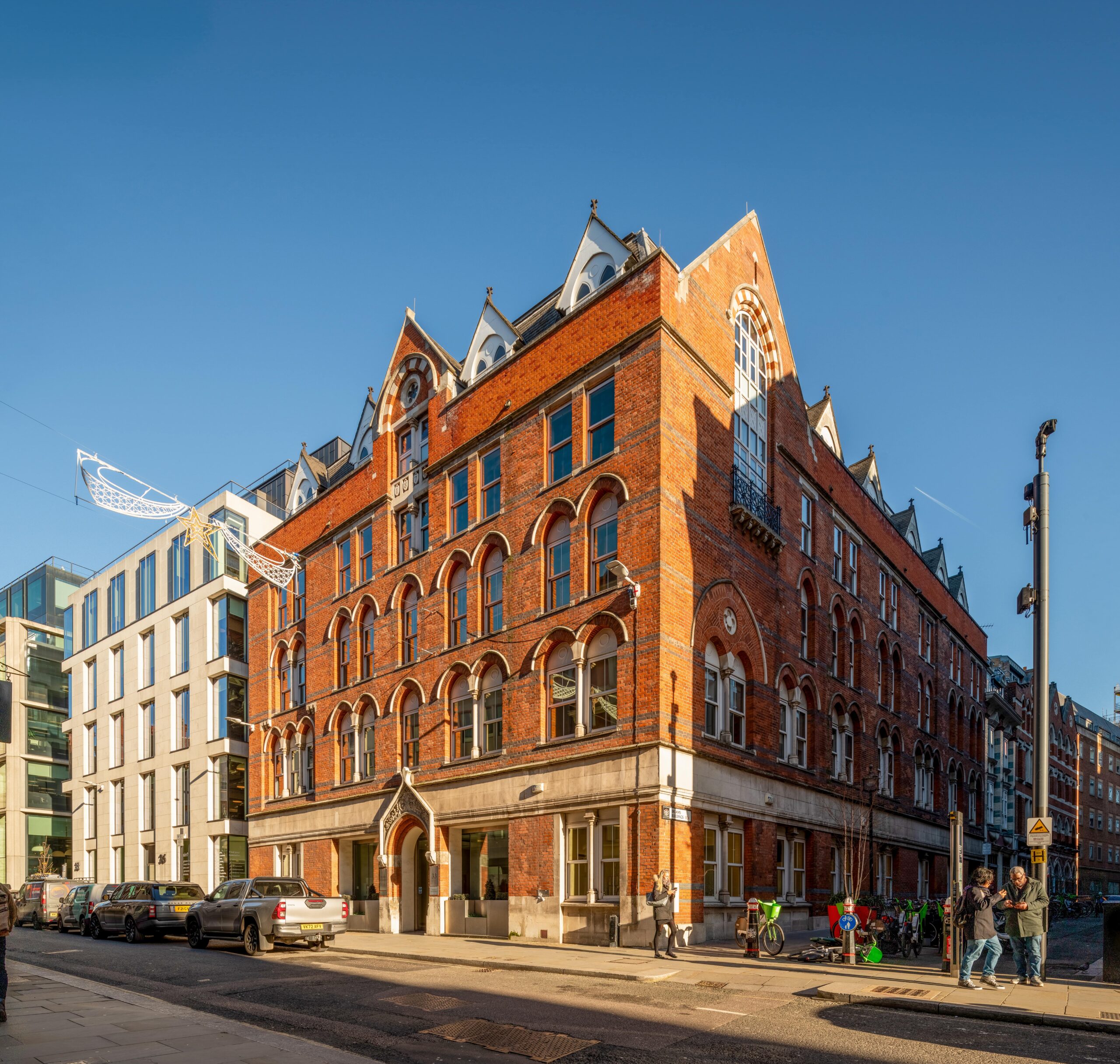
Argyll begins £10m transformation of newly acquired 33 Chancery Lane
The renovation of the historic Midtown building will create 52 private offices and a range of new customer amenities, with the first customers moving in from February 2027 Leading London office space provider Argyll has begun its £10m renovation of 33 Chancery Lane,...

Anglian Water’s @one Alliance progresses £1.7m water main reinforcement to support Daventry’s growth
Introduction Daventry, a market town and civil parish in West Northamptonshire, England, is experiencing continued development, with significant housing growth planned across the area. As new developments increase demand on the existing water network, additional...

Glencar appointed to Pagabo’s £4.29bn Civil Engineering, Infrastructure and Enabling Works Framework
Glencar has been appointed to Pagabo’s new £4.29 billion National Framework for Civil Engineering, Infrastructure and Enabling Works 2026, supporting the continued growth of its Civil Engineering & Infrastructure capability across the UK. The four-year framework...