
Britain’s construction training body pledges pre-Covid rates
The training body for British construction is proposing to keep rates at pre-Covid levels as it launches a wide-reaching consultation into its funding proposals. A six-week consultation into how CITB raises its Levy – the funding needed from the industry for the training body to provide its support – begins on Monday (1 March). The […]

Feb 27, 2021
The training body for British construction is proposing to keep rates at pre-Covid levels as it launches a wide-reaching consultation into its funding proposals.
A six-week consultation into how CITB raises its Levy – the funding needed from the industry for the training body to provide its support – begins on Monday (1 March).
The consultation will include a range of virtual events, and once feedback on the draft Levy Proposals is in, CITB will proceed to Consensus this summer. This will see a representative sample of 4,000 Levy-paying employers asked for their agreement on plans to raise this funding for the next three years.
Sarah Beale, chief executive officer of CITB, said: “With the impact of Covid-19 last year, we spoke to employers and listened to their view that we should be focussing on supporting them through the pandemic. As such, we postponed Consensus and immediately suspended the Levy. This year employers will be assessed at a reduced rate, whilst we continue to maximise the support to employers and impact of your Levy.
“The feedback we’ve had now is that the industry wants us to proceed with running Consensus, and we’ve agreed that now is the right time to start. We’re looking forward to talking with businesses from across the sector to understand their views, and explaining how we’ll use their money to provide the training and the skills that the industry needs.”
While views are sought on the draft Levy Proposals 2022-25 ahead of Consensus, businesses will also be asked about CITB’s 10 areas of greatest need for developing skills in the sector. CITB will enhance funding and support to these areas, which will include skills gaps, jobs shortages, and the industry’s environmental impact.
The draft Levy Proposals are a return to pre-Covid levels of 2019, of 0.35% for PAYE staff and 1.25% for net paid (taxable) sub-contractors. CITB will support smaller employers by waiving the Levy for more businesses this year. Companies with a wage bill below £120,000 will pay nothing, and Levy will be halved for those between £120,000 and £400,000.
Levy registered employers can take part in the consultation from Monday 1 March to Sunday 11 April at www.citb.co.uk/levyconsultation. Employers can register for virtual events at www.citb.co.uk/spring2021events.
Consensus will take place from Monday 14 June to Sunday 15 August, with more information available at www.citb.co.uk/consensus2021
Remote interview opportunities are available upon request.
The Construction Industry Training Board (CITB) works with industry and government to research the sector’s needs, fund training, improve standards and ensure the industry has the workforce it needs. It is paid for by a levy on the construction industry itself. CITB is an arm’s-length body of the Department for Education.
Related Posts

RIBA Announces 34 Winners Of The International Awards For Excellence
The Royal Institute of British Architects (RIBA) has today announced the 34 winning projects of the RIBA International Awards for Excellence 2026. Recognising inspiring architecture across 15 countries and four continents, this yearʼs cohort responds directly to...
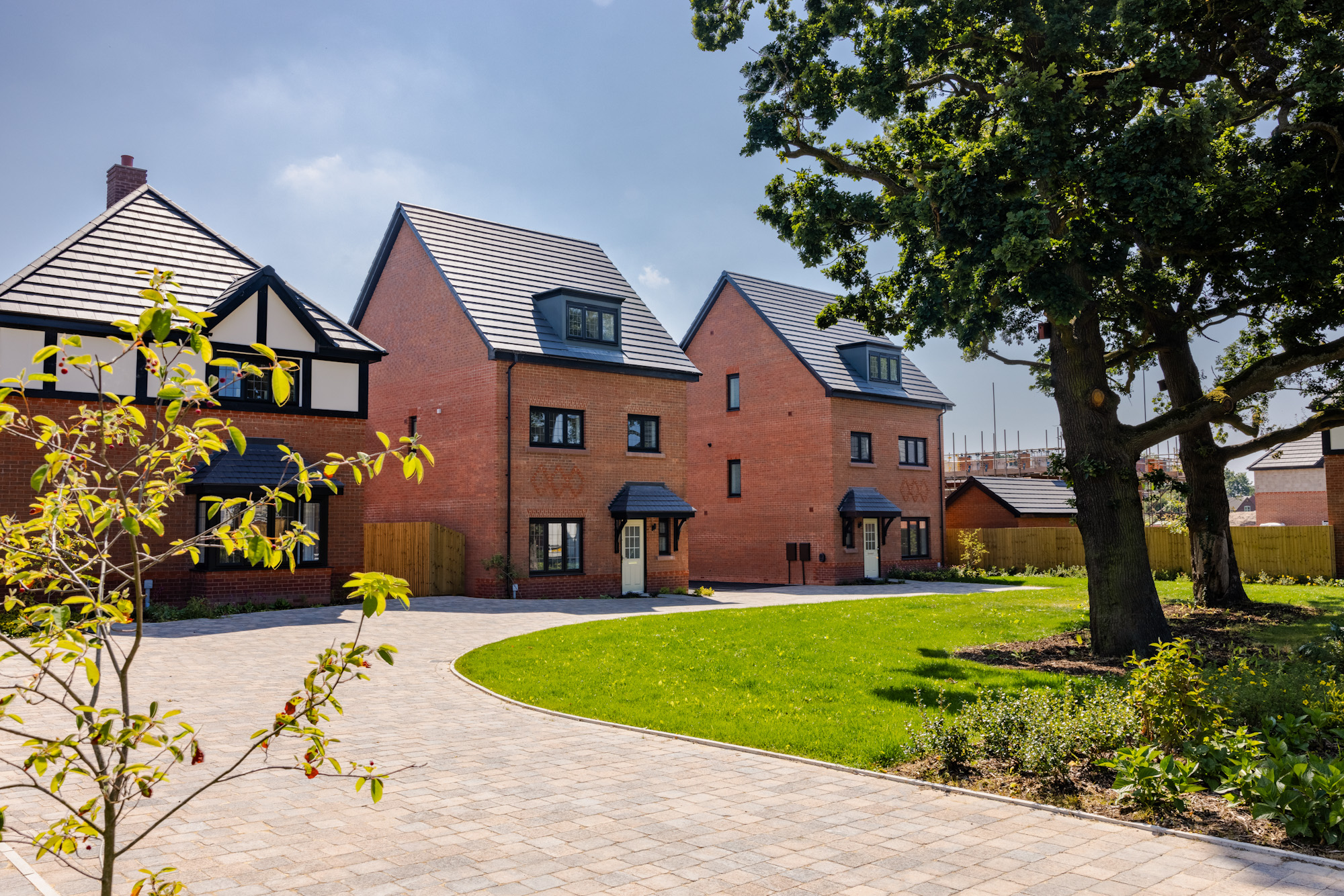
Anwyl Submits Plans For New Homes And Local Centre In Alsager
Plans to transform a former quarry site in Alsager into a new neighbourhood featuring homes and community facilities have been submitted. Anwyl Homes has lodged a hybrid planning application with Cheshire East Council for just over 54 acres of land at White Moss...

New active travel bridge for Cardiff by Moxon and Arcadis gets go-ahead
Moxon Architects and Arcadis have been granted planning approval for a new pedestrian and cycle bridge across the River Taff in Cardiff. The 165m-long bridge is part of Cardiff Council’s ambitious Channel View Estate regeneration scheme and will improve connectivity...