
AI in Construction: The Path to a Digital Future
Artificial Intelligence (AI) is transforming industries around the globe, and the construction sector is no exception. As the Chartered Institute of Building (CIOB) recently highlighted in its new AI in Construction Playbook, AI offers construction firms of all sizes an unprecedented opportunity to enhance productivity, reduce risks, and tackle industry challenges head-on. The playbook, designed […]

Dec 5, 2024
Artificial Intelligence (AI) is transforming industries around the globe, and the construction sector is no exception. As the Chartered Institute of Building (CIOB) recently highlighted in its new AI in Construction Playbook, AI offers construction firms of all sizes an unprecedented opportunity to enhance productivity, reduce risks, and tackle industry challenges head-on. The playbook, designed by CIOB’s Digital and Innovation Advisory Panel, offers a comprehensive guide to understanding AI’s potential, with insights into practical applications, ethical considerations, and a roadmap for adopting AI within the built environment.
This strategic document arrives at a time when AI is already making significant inroads into construction workflows. David Philp, chair of CIOB’s Digital and Innovation Advisory Panel, emphasises the sector's need to embrace these technological advancements: “AI can immensely support project and construction management, analysing large volumes of project data across the value chain, spotting potential safety risks, and offering insights for smarter decision-making,” Philp continued, stating: “It can also support the automation of repetitive tasks, such as everyday data entry, form filling, and report generation, all of which can dominate a construction manager’s day so it’s there to be embraced.”
One of the playbook’s central themes is the role AI plays in levelling the playing field for small and medium-sized enterprises (SMEs). Traditionally, large firms with deep pockets were better positioned to leverage data-driven insights and sophisticated technology platforms. However, with the introduction of AI-powered tools, SMEs now have access to the same advanced analytics and automation capabilities, enabling them to compete more effectively.
The playbook suggests that AI’s adoption could unlock new opportunities for SMEs, particularly in resource management, where it can assist in automating manual processes. As AI systems continuously learn and improve, even smaller firms can benefit from enhanced project forecasting and risk management, offering them a competitive edge in an increasingly challenging market.
Despite its potential, AI adoption in construction is still fraught with concerns, particularly around its impact on the workforce, with many people in the industry asking the question: Will AI replace jobs? According to the CIOB’s playbook, AI will not replace human workers but instead enhance their capabilities. AI tools require supervision and validation, meaning existing roles may evolve rather than disappear.
This view aligns with a recent report from the House of Lords, which noted that construction roles, particularly those related to site work, are among the least likely to be threatened by AI. Rather than eliminating jobs, AI technology is expected to shift roles from manual operation to supervisory functions, where human oversight will remain critical.
Daniel Hewson, Data Capability Manager at Elecosoft UK, echoes this sentiment: “AI in construction improves efficiency but does not erase the need for skilled workers. Tools like drones for site monitoring, for instance, reduce risk factors and improve accuracy, but humans are still required to interpret and validate the data.”
AI is already making a significant impact in UK construction through various applications. According to Daniel Hewson, AI enhances site take-offs by digitising the process and improving accuracy in quantifying materials, labour, and resources. Drones equipped with AI enable real-time site monitoring, enhancing safety and productivity by collecting and analysing large amounts of data for progress tracking and risk assessment. AI-driven risk management systems further improve precision in detecting potential hazards. Additionally, AI improves efficiency in project management, with Generative AI (GenAI) predicting bottlenecks and resolving issues proactively. Tools like Elecosoft’s Powerproject incorporate AI features like AstaGPT to streamline software navigation and project planning.
Hewson added: “Powerproject’s AI features—such as schedule quality checks and scenario simulations—are already driving efficiencies in planning and project execution,”.
AI adoption in the UK construction industry faces several key challenges, as outlined by Daniel Hewson. Regulatory compliance is a major hurdle, with strict data privacy laws complicating the use of AI tools, especially when personal information like workers' identities may be inadvertently captured. Data-sharing is another significant barrier, as many companies are hesitant to collaborate, despite the need for large datasets to train AI models effectively. This reluctance is less prevalent in countries with more relaxed regulations, allowing them to advance AI initiatives more easily. Additionally, the lack of standardisation in the construction sector's fragmented data makes it difficult to implement AI solutions uniformly. While systems like Uniclass are a step forward, there is still much work to be done to ensure AI can be seamlessly integrated across the industry.
Looking ahead, the CIOB’s playbook and industry experts agree that AI’s role in construction will only grow over the next decade. Hewson is particularly excited about the adoption of Building Information Modelling (BIM) data, which he sees as key to unlocking even greater efficiencies: “BIM platforms powered by AI technology will streamline project management processes—automating scheduling, resource allocation, and progress monitoring,” Hewson continued on to say: “AI’s potential to transform how we work is enormous.”
For the UK to stay at the forefront of this transformation, a coordinated effort between government, industry, and educational institutions will be essential. Regulatory reforms and data standardisation will help remove barriers to AI adoption, while initiatives to promote skills development will ensure the workforce is ready to embrace this next generation of technology. AI’s future in construction is promising, but the road ahead requires careful navigation. As the CIOB playbook suggests, the opportunities are vast, and with the right framework, AI could be the key to building smarter, safer, and more efficient structures for generations to come.
Related Posts
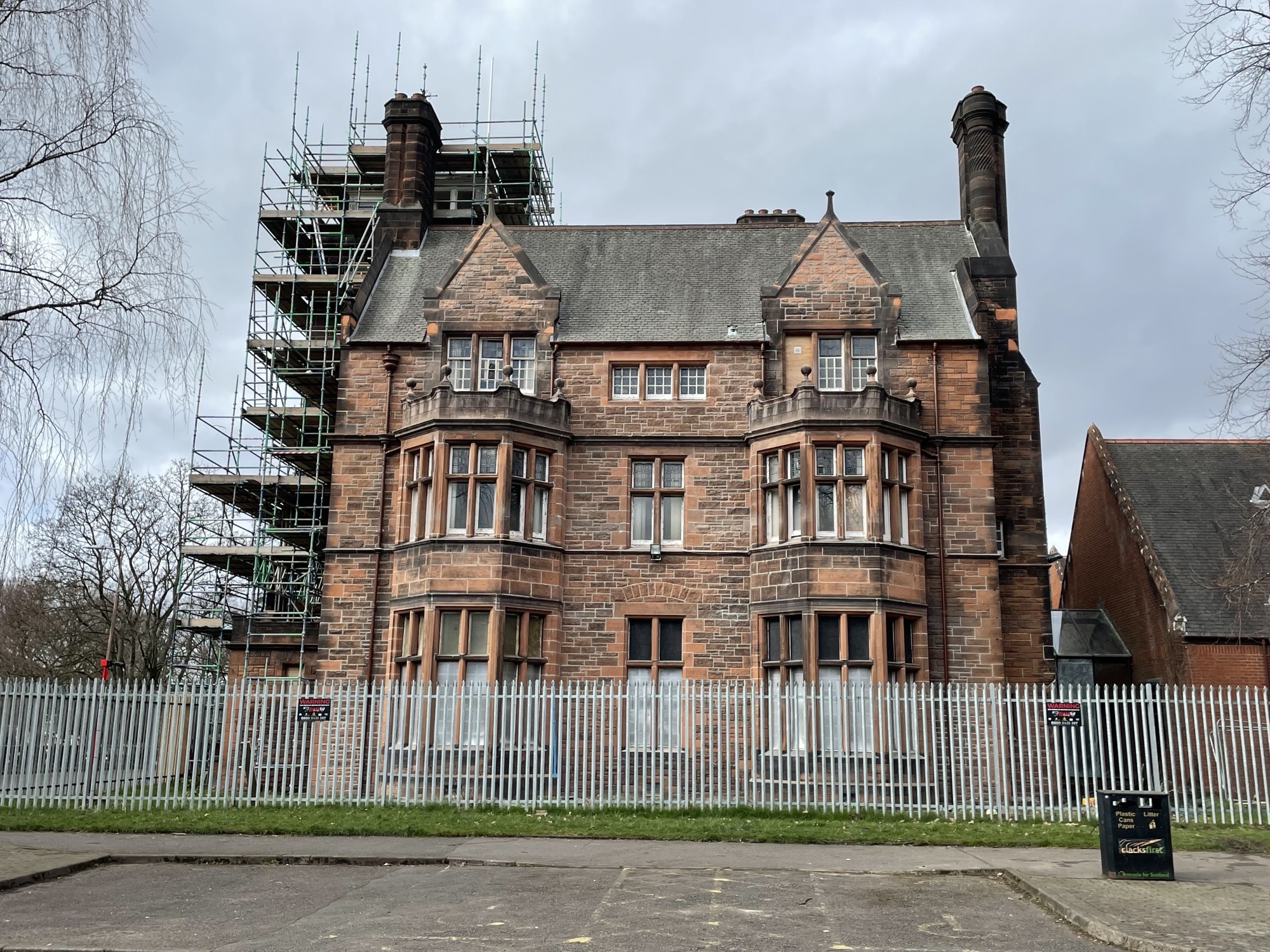
Procast Group kicks off transformation of iconic Greenfield House in Alloa with phase one and two completion
An award-winning principal contractor has completed the initial phases of the transformation of the derelict Greenfield House in Alloa. Hamilton-based firm, Procast Group, has started the restoration of the classic out-of-use manor house in Clackmannanshire in...

Edenstone Group targets £100m turnover following Tai Derw acquisition
Edenstone Group has revealed ambitious growth plans following the acquisition of Tai Derw Developments Ltd as it targets £100 million turnover by 2028. The deal, agreed at the end of May, follows talks between Edenstone Group executive chairman Martin Taylor and Tai...

Transformational Cambridge East land acquisition to unlock a new community of 10,000+ homes, 9,000 jobs and significant economic growth
Homes England, with its National Housing Bank, and The Hill Group have today completed the acquisition of Cambridge East, a strategic site that will support the delivery of more than 10,000 new homes, thousands of jobs and a thriving new community. The...