
Strategies for Safeguarding Heritage in Construction Projects on Listed Buildings
Preserving our cultural heritage while advancing modern infrastructure is a delicate balancing act. According to the DCMS Participation Survey, over 3 in 5 adults (63%) visited a heritage site in person in the last 12 months (DCMS, 2023) - this is just over half of the UK’s entire population! I think we can tell from […]

Jul 23, 2024
Preserving our cultural heritage while advancing modern infrastructure is a delicate balancing act.
According to the DCMS Participation Survey, over 3 in 5 adults (63%) visited a heritage site in person in the last 12 months (DCMS, 2023) - this is just over half of the UK’s entire population!
I think we can tell from the stats that It’s no surprise that people like to visit heritage sites, however, when it comes to the actual construction work on listed buildings, it’s something which is not often talked about.
Listed buildings are often steeped in historical significance, architectural beauty, and cultural value.
To ensure that these treasures withstand the test of time, construction projects must be approached with sensitivity and a commitment to heritage preservation. Continue reading to see our top tips on safeguarding heritage on listed buildings.
Thorough Documentation:
Before any construction work begins, thorough documentation is crucial. Detailed records, including photographs, drawings, and historical reports, provide a comprehensive understanding of the building's original state. This documentation serves as a crucial reference point throughout the construction process and helps in recreating or restoring elements that may be affected during the work.
Heritage Impact Assessments:
Conducting a Heritage Impact Assessment (HIA) is a key step in understanding the potential impact of construction on a listed building. This assessment considers the historical, architectural, and cultural significance of the structure, guiding decision-makers on how to proceed with construction while minimising adverse effects on heritage values.
Selective Demolition and Reconstruction:
When necessary, selective demolition can be employed to remove non-original additions or elements that may compromise the building's integrity. In such cases, meticulous documentation is crucial, and reconstruction should follow historic preservation guidelines to ensure authenticity.
Material Conservation:
Preserving the original materials of a listed building is paramount to maintaining its historical authenticity. Construction projects should prioritise the conservation of original materials whenever possible. Salvaging and reusing materials not only honours the building's history but also contributes to sustainable construction practices.
In general, preserving heritage in the face of construction challenges requires a holistic approach that respects the past while embracing the future.
By prioritising thorough documentation, conducting Heritage Impact Assessments, embracing adaptive reuse, employing selective demolition and reconstruction, conserving original materials, relying on specialised craftsmanship, and committing to regular monitoring and maintenance, construction projects on listed buildings can successfully balance progress and preservation.
Through these strategies, we can ensure that our cultural heritage remains a vibrant and integral part of our evolving urban landscapes.
Speaking to Design & Build UK, James Porter, Partner in Building Consultancy at property adviser Rapleys added: "Preserving heritage is crucial to the built environment. Buildings that have been around for hundreds of years tell a story and deserve a new lease of life for hundreds more. “In 2024, the methods of retrofitting and restoration have advanced hugely and the cost, as a result is decreasing, which is key to both sustainability and design. We are even working on heritage building projects that are bolstered by renewable energy. While new developments of all kinds are needed to support people and business, the industry also needs to respect and repurpose older buildings so that they have a future too."
Sponsored Advert

Related Posts

Balfour Beatty features in The Scottish Sun highlighting how investment in Scotland’s energy future is creating lasting careers
Balfour Beatty has featured in The Scottish Sun, showcasing how the company's work to upgrade Scotland's electricity network is creating career opportunities for young people while supporting the country's transition to a low-carbon future. The article highlights how...
Major housebuilder hosting affordability events in Wiltshire and Oxfordshire
One of the country’s largest developers are hosting events across its sites to get first-time buyers on the housing ladder and help families upsize into their new homes. Persimmon Homes Wessex will have independent financial advisors on all its sites on Saturday 21st...
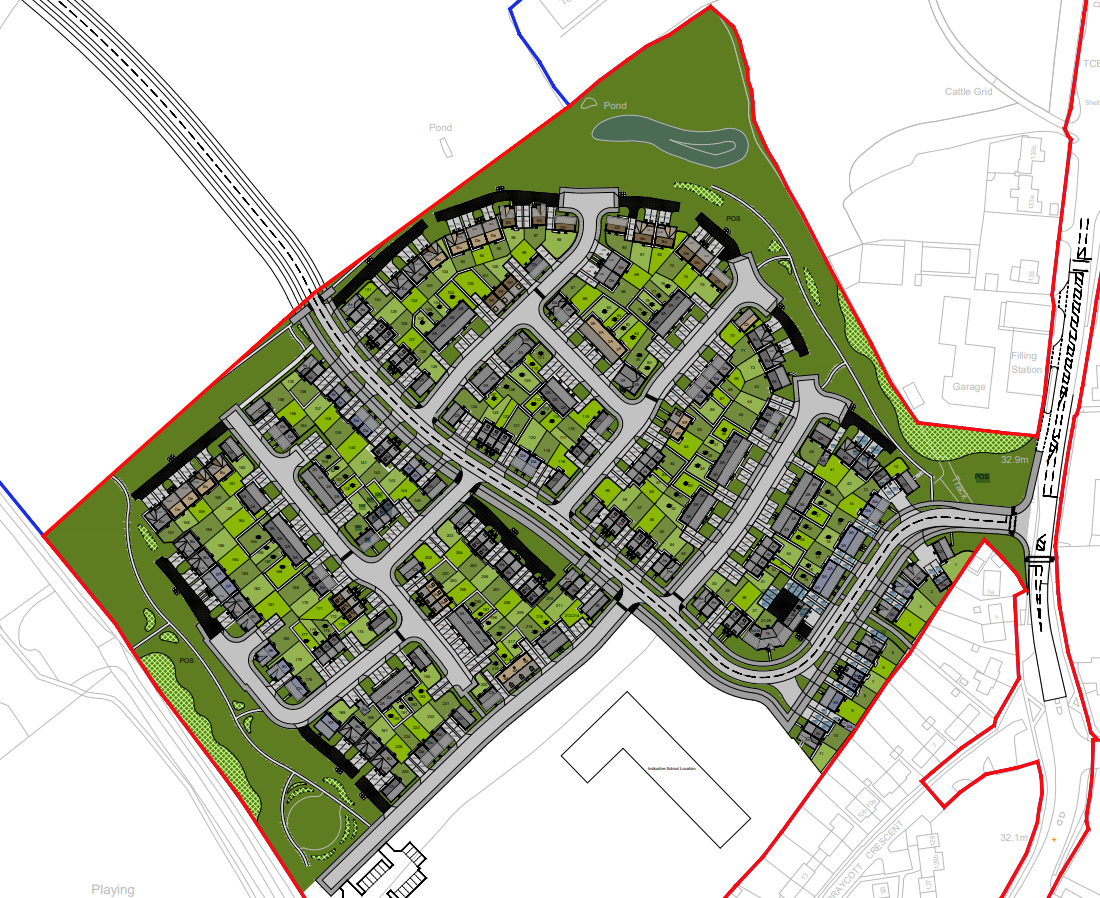
800 more homes for local people in Stroud
Persimmon Homes Severn Valley has secured outline planning permission for 796 new homes in Cam, Stroud following a successful appeal to the Planning Inspectorate. As part of the verdict, the accredited five-star housebuilder has full planning consent for the first 226...