
Preventing Brain Drain: A Key to Construction Innovation
Explore the detrimental effects of brain drain on construction innovation and discover strategies to prevent it. Brain drain refers to the emigration of highly skilled and educated individuals from one country or industry to another. In the construction industry, brain drain occurs when talented professionals leave the sector to pursue opportunities elsewhere. This phenomenon can […]

Apr 23, 2024
Explore the detrimental effects of brain drain on construction innovation and discover strategies to prevent it.
Brain drain refers to the emigration of highly skilled and educated individuals from one country or industry to another. In the construction industry, brain drain occurs when talented professionals leave the sector to pursue opportunities elsewhere.
This phenomenon can have a significant impact on construction innovation. When skilled workers and experts in the field leave, it creates a knowledge gap within the industry. This loss of expertise can hinder the development of new technologies, techniques, and processes that drive innovation.
Understanding the factors that contribute to brain drain in the construction industry is crucial in finding effective solutions to prevent it.
There are several reasons why brain drain occurs in construction. These include better job opportunities abroad, higher salaries, lack of career growth prospects, and limited access to research and development opportunities within the industry.
By addressing these factors and implementing strategies to retain talent, the construction industry can mitigate the negative effects of brain drain and foster a culture of innovation.
Challenges Faced by Construction Companies Due to Brain Drain
Brain drain poses several challenges for construction companies. One major challenge is the loss of specialised knowledge and expertise. When highly skilled professionals leave, it can be difficult to replace them with individuals of equal calibre.
This loss of talent can lead to delays in projects, decreased productivity, and compromised quality of work. Construction companies may struggle to find qualified replacements, resulting in increased recruitment and training costs.
Another challenge is the impact on research and development activities. Brain drain limits the pool of experts available for innovation and the development of new construction techniques. This can hinder the industry's ability to adapt to evolving trends and technologies.
Furthermore, brain drain can also have a negative effect on the reputation of construction companies. When talented professionals choose to leave, it may signal to others that the industry lacks opportunities for growth and advancement.
Addressing these challenges is essential for construction companies to thrive in a competitive market and promote innovation.
Strategies to Retain Talent in the Construction Sector
To prevent brain, drain and retain talent in the construction sector, several strategies can be implemented.
1. Competitive Compensation: Offering competitive salaries and benefits can help attract and retain skilled professionals. Construction companies should ensure that their compensation packages are in line with industry standards and reflect the value of the expertise and experience of their employees.
2. Career Development Opportunities: Providing opportunities for career growth and advancement is crucial for retaining talent. Construction companies can offer training programs, mentorship opportunities, and clear pathways for promotion to encourage employees to stay and develop their skills within the organisation.
3. Work-Life Balance: Creating a healthy work-life balance is important for employee satisfaction and retention. Construction companies can implement flexible working hours, remote work options, and wellness programs to support the well-being of their employees.
4. Recognition and Rewards: Recognising and rewarding employees for their contributions can boost morale and motivation. Construction companies can establish recognition programs, performance-based bonuses, and other incentives to acknowledge the efforts and achievements of their employees.
By implementing these strategies, construction companies can create an environment that attracts and retains talented professionals, reducing the likelihood of brain drain and fostering a culture of innovation.
Investing in Training and Development Programs
Investing in training and development programs is a key strategy to prevent brain drain and promote construction innovation.
By providing employees with opportunities to enhance their skills and knowledge, construction companies can create a culture of continuous learning and growth.
Training programs can focus on technical skills specific to the construction industry, as well as broader skills such as leadership, project management, and innovation.
Additionally, construction companies can collaborate with educational institutions and industry experts to develop specialised training programs that address the evolving needs of the sector.
By investing in training and development, construction companies not only retain their talent but also equip them with the skills necessary to drive innovation and stay competitive in the industry.
Collaboration with Educational Institutions for Skill Development
Collaboration with educational institutions is another effective strategy for preventing brain drain and fostering construction innovation.
By partnering with universities, colleges, and vocational schools, construction companies can contribute to the development of skilled professionals and create a talent pipeline for the industry.
Collaboration can take various forms, including sponsoring research projects, providing internships and co-op opportunities, and participating in industry advisory boards.
By actively engaging with educational institutions, construction companies can influence curriculum design to ensure that it aligns with industry needs and promotes the development of relevant skills. This collaboration not only benefits construction companies by providing them with a pool of talented graduates but also supports the growth of the construction industry as a whole.
Related Posts
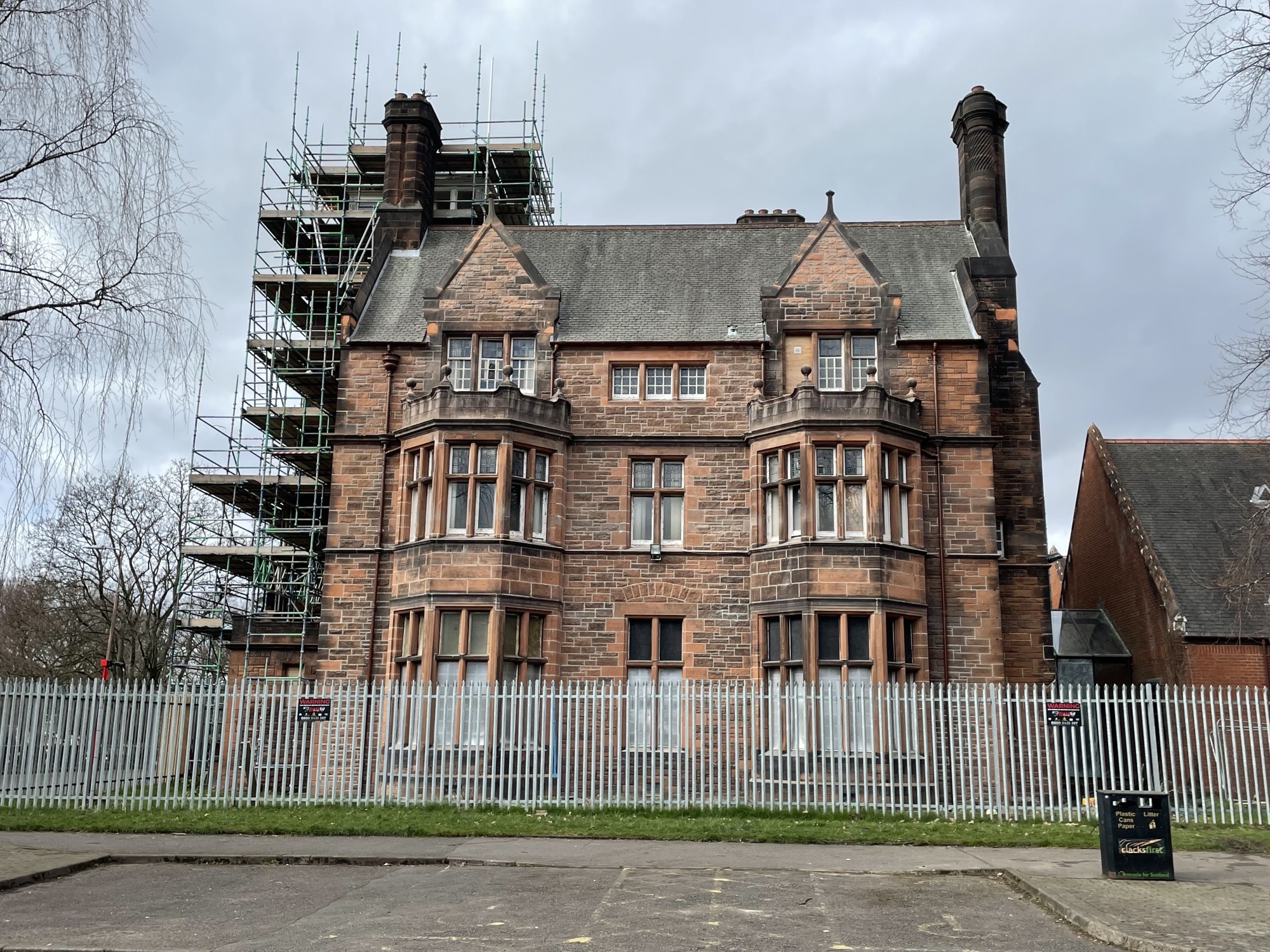
Procast Group kicks off transformation of iconic Greenfield House in Alloa with phase one and two completion
An award-winning principal contractor has completed the initial phases of the transformation of the derelict Greenfield House in Alloa. Hamilton-based firm, Procast Group, has started the restoration of the classic out-of-use manor house in Clackmannanshire in...

Edenstone Group targets £100m turnover following Tai Derw acquisition
Edenstone Group has revealed ambitious growth plans following the acquisition of Tai Derw Developments Ltd as it targets £100 million turnover by 2028. The deal, agreed at the end of May, follows talks between Edenstone Group executive chairman Martin Taylor and Tai...

Transformational Cambridge East land acquisition to unlock a new community of 10,000+ homes, 9,000 jobs and significant economic growth
Homes England, with its National Housing Bank, and The Hill Group have today completed the acquisition of Cambridge East, a strategic site that will support the delivery of more than 10,000 new homes, thousands of jobs and a thriving new community. The...