
Discussing Sustainable Building with Sellar’s Simon Swietochowksi
In the latest issue of Design & Build UK, we discussed the matter of sustainable buildings with people across the industry, including the Development Director and Sustainability Lead of Sellar, Simon Swietochowski. Below is the full interview we had with Swietochowski that dived a little deeper into sustainable building, including the logistics, any hurdles and […]
Apr 27, 2021
In the latest issue of Design & Build UK, we discussed the matter of sustainable buildings with people across the industry, including the Development Director and Sustainability Lead of Sellar, Simon Swietochowski. Below is the full interview we had with Swietochowski that dived a little deeper into sustainable building, including the logistics, any hurdles and benefits, as well as their own personal projects. To read the full feature, click here to subscribe to the Design & Build UK magazine.
How do you incorporate sustainability into the design of a building?
The importance of reducing carbon within the real estate life cycle has increased exponentially over the past 18 months or so, accelerated in part by greater social awareness of the climate emergency. At Sellar our focus is not just on ensuring the materials and systems that go into the build are efficient and sustainably sourced, but on ensuring that the buildings themselves are designed with longevity and environmental responsibility at their heart.
To design sustainably, you must think long term. We should be designing buildings now that generations upon generations will one day work in. At Sellar we consider how the context around our projects will evolve over time. Grand Union House, our project in Camden for example, has led us to invest in openable windows today so that as London streets become cleaner and local air quality improves, the building’s ability to naturally ventilate itself grows. Measures like this combined with grid decarbonization will see our projects becoming greener and greener over time.
On Grand Union House, we are reusing the existing structural frame and foundations rather than demolishing which will save thousands of tonnes of carbon and take dozens of demolition lorries off London streets, aligned to our commitment to improving local air quality. We plan to extend the building vertically in this case with a hybrid timber and steel frame. This lightweight solution allows us to extend the building without strengthening the foundations, again reducing embodied carbon. Our low carbon approach and thinking around reuse will help to shape industry standards moving forward for low carbon workplace architecture.
The implementation of smart technology is also central to the realisation of our sustainable goals; each of our developments prioritises data collection through intelligent building management systems that monitor energy consumption and assess potential environmental impact. This is vital for the optimal operation of a building, and by prioritising this from the outset, the building’s operational carbon footprint is dramatically reduced.
What are the logistics of creating smart buildings?
Digital technology is evolving faster than any other part of building construction especially as part of their post covid resilience. This brings immense opportunity, but at the same time there is a need to be mindful that buildings don’t become digitally redundant or fall behind the curve.
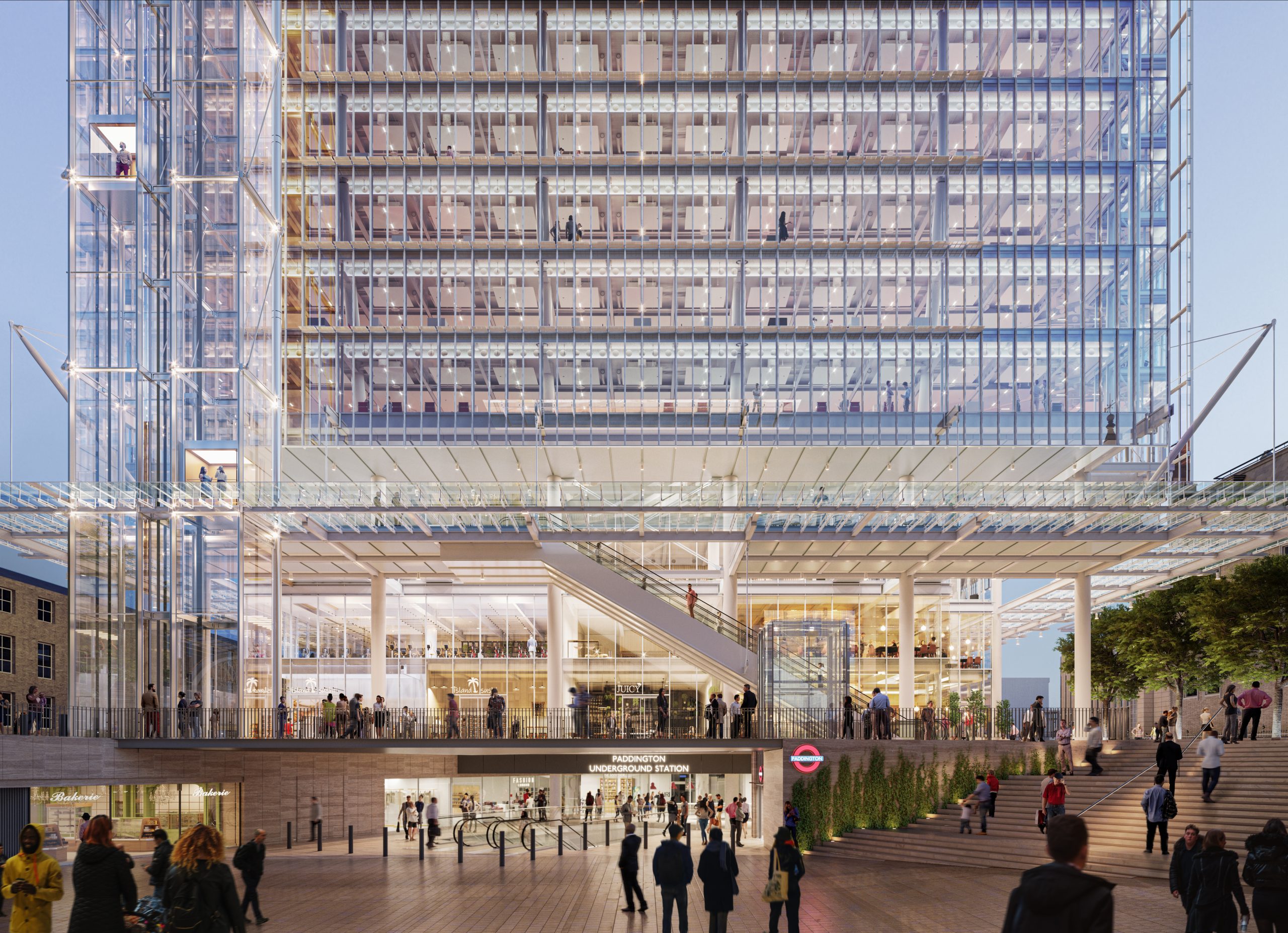
To address this risk at our Paddington Square development, a robust master system has been integrated that allows for ongoing updates and add-ons. This is one of the most crucial logistical elements of a smart building as it means new technology can be layered over existing systems and keep advancing the digital DNA of the building as technology continues to develop.
Smart technology can reduce operational energy consumption through smart heating, cooling and ventilation, smart lift systems that adjust their performance according to the number of people in the building, time of day and weather, enhance security through facial recognition and eliminate underutilised space through smart room booking systems. The technology that enables this optimisation is constantly evolving. A robust master system in place from the beginning is incredibly important as it means smart systems can be seamlessly layered into the building over time.
How is building sustainably different to usual development?
Smart buildings have the potential to monitor performance and respond to our behaviours and needs, meaning there is a huge potential for optimisation and increased performance over time. This can only be done with a holistic whole life approach and collaboration from all parties involved. Savvy building management such as predictive maintenance and fault finding will become more commonplace and lead to longer service life of building parts. Smart buildings in effect will be able to prove a full-service history. In many ways like a car with a full-service history, they should be worth much more.
A key benefit is the quantum of usable data, which could in the future be in the public domain. This data will prove a building’s environmental credentials, which if competitive or advanced could see higher returns and increased marketplace demand.
What are some current or future developments from Sellar that include smart buildings?
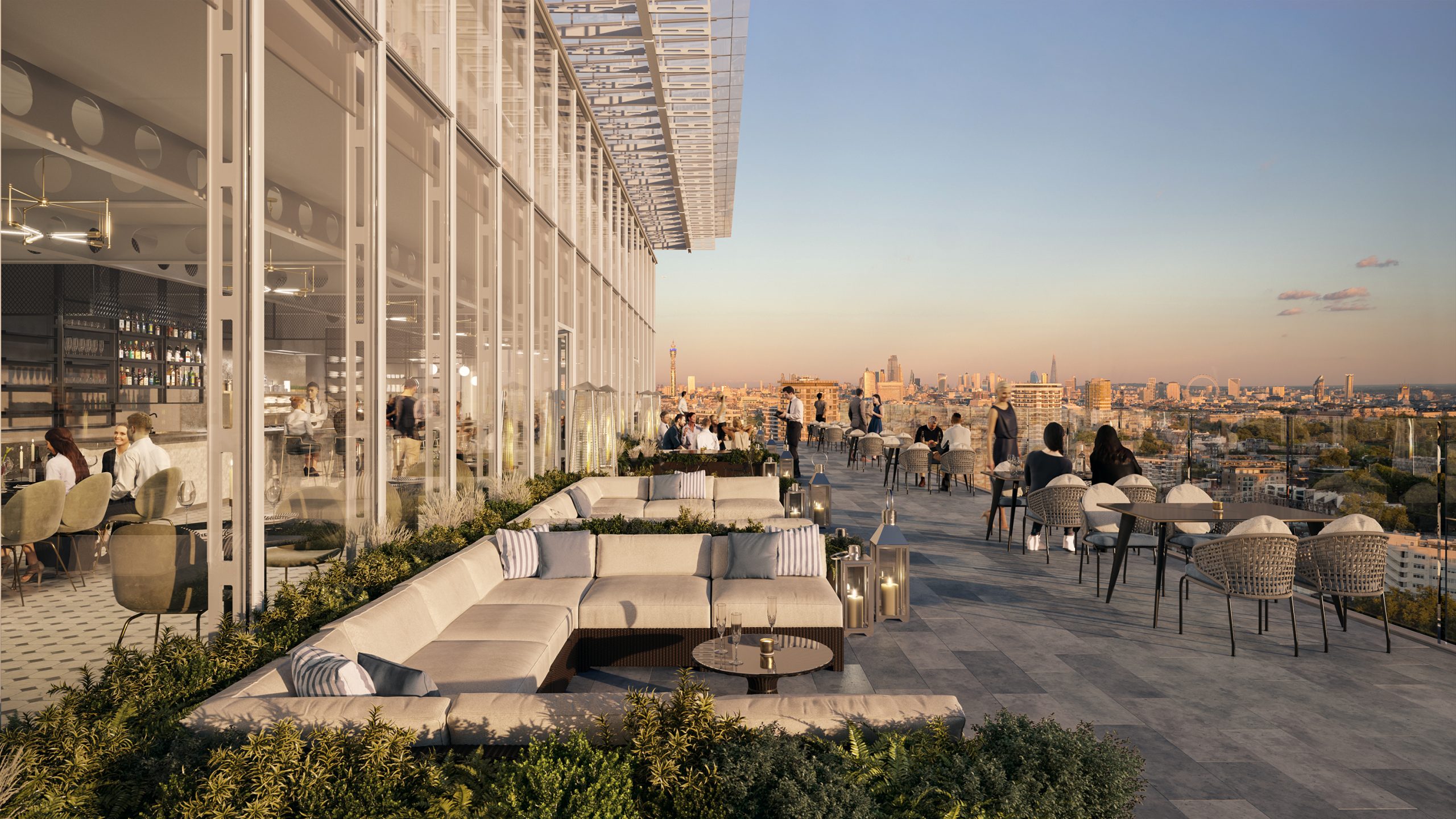
Our Paddington Square project due to open in spring 2022 will completely reimagine the area around Paddington Station in London. Designed by Renzo Piano Building Workshop, the crystalline building, which includes 14 light-filled storeys of workspace, 80,000 sq. ft of retail and leisure along with a new 1.35-acre public square has an intelligent management system integrated throughout which analyses all building data to maximise its operation for both user experience and energy reduction.
Features include:
- Interstitial blinds in the cavity of the building’s triple glazed façade, which are automatically activated in response to sunlight to cool or shade the interior.
- Smart, secure contactless access from arrival to desk.
- Automatic preventative fault detection.
- Resilient, dual supply power and data systems.
- Wi-Fi and uninterrupted 4-bar phone signal across the estate - both inside the building and across the 1.35-acre new public realm and retail spaces.
- App-based digital concierge for venue hire, learning and lectures, lunch reservations, fitness classes and meeting room bookings.
- Intelligent building management system analyses data to maintain optimum building performance.
The smart building system not only serves to reduce energy consumption but also enhances the health and wellbeing of everyday users, through monitoring of air and water quality and the amount of sunlight an individual is exposed to – all especially important as part of a buildings post covid resilience.
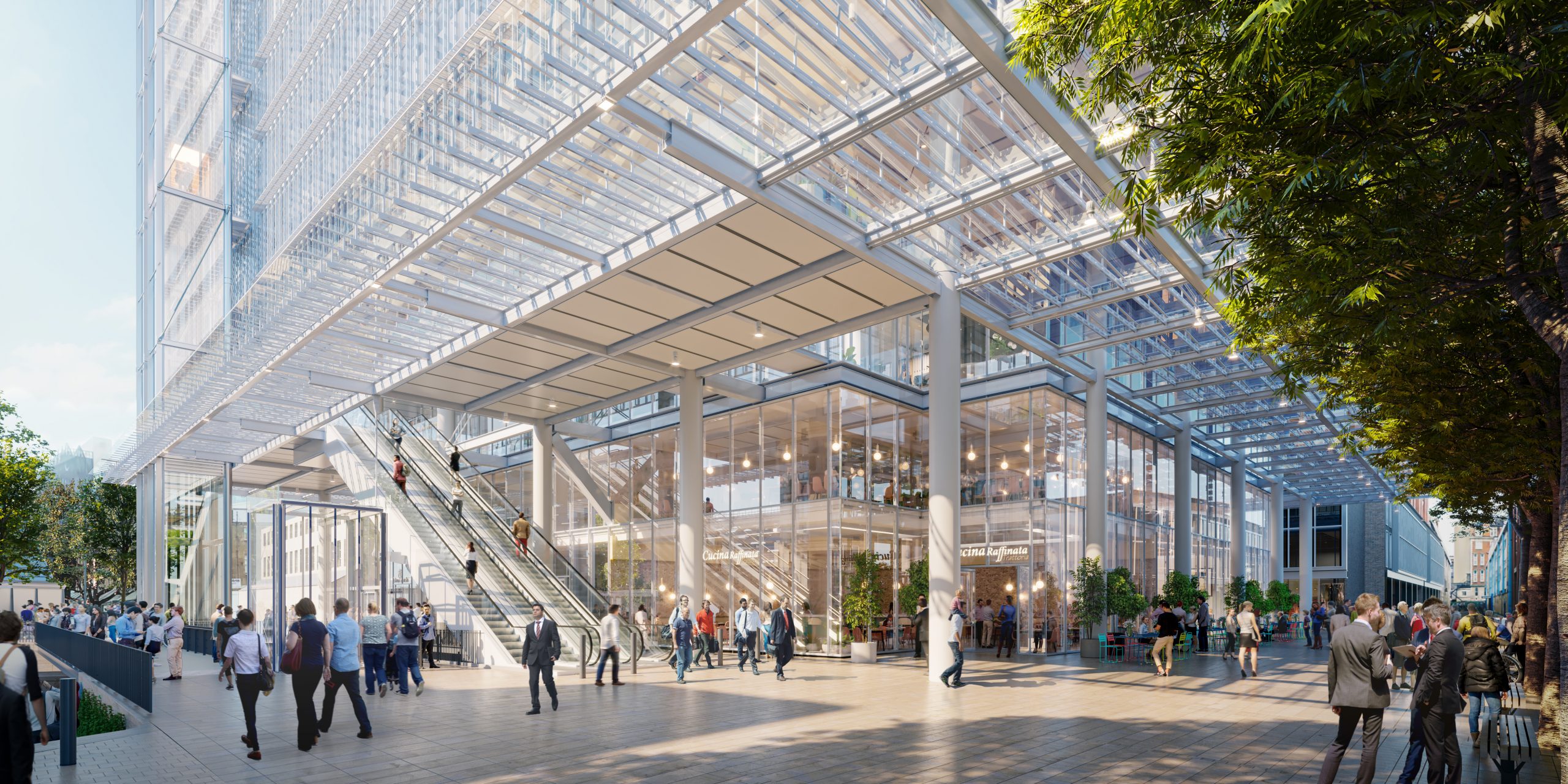
Paddington Square is a building designed not just for the operator and employees who will initially use the building once complete next year, but also for future generations who will benefit from the features Sellar and Renzo Piano’s team conceived and implemented during its development.
Paddington Square is being developed by Sellar in partnership with Hotel Properties Limited and Anchorage View Pte. Ltd.
Related Posts
RICS partners with Retrofit Academy to accelerate retrofit skills with funded training
The Royal Institution of Chartered Surveyors (RICS), and The Retrofit Academy (TRA), are partnering to help RICS members develop critical retrofit skills across the UK. At the heart of the partnership is access to UK Government-backed Warm Homes Skills funding,...

Dudleys Consulting Engineers Completes on 40,000 Square Feet M1 Business Park
Dudleys Consulting Engineers have completed works to deliver a major new 40,000 sq ft industrial development at Calder Park in Wakefield. The £3.5 million scheme by Marrtree Investments now offers nine high specification trade counter units ranging from approximately...
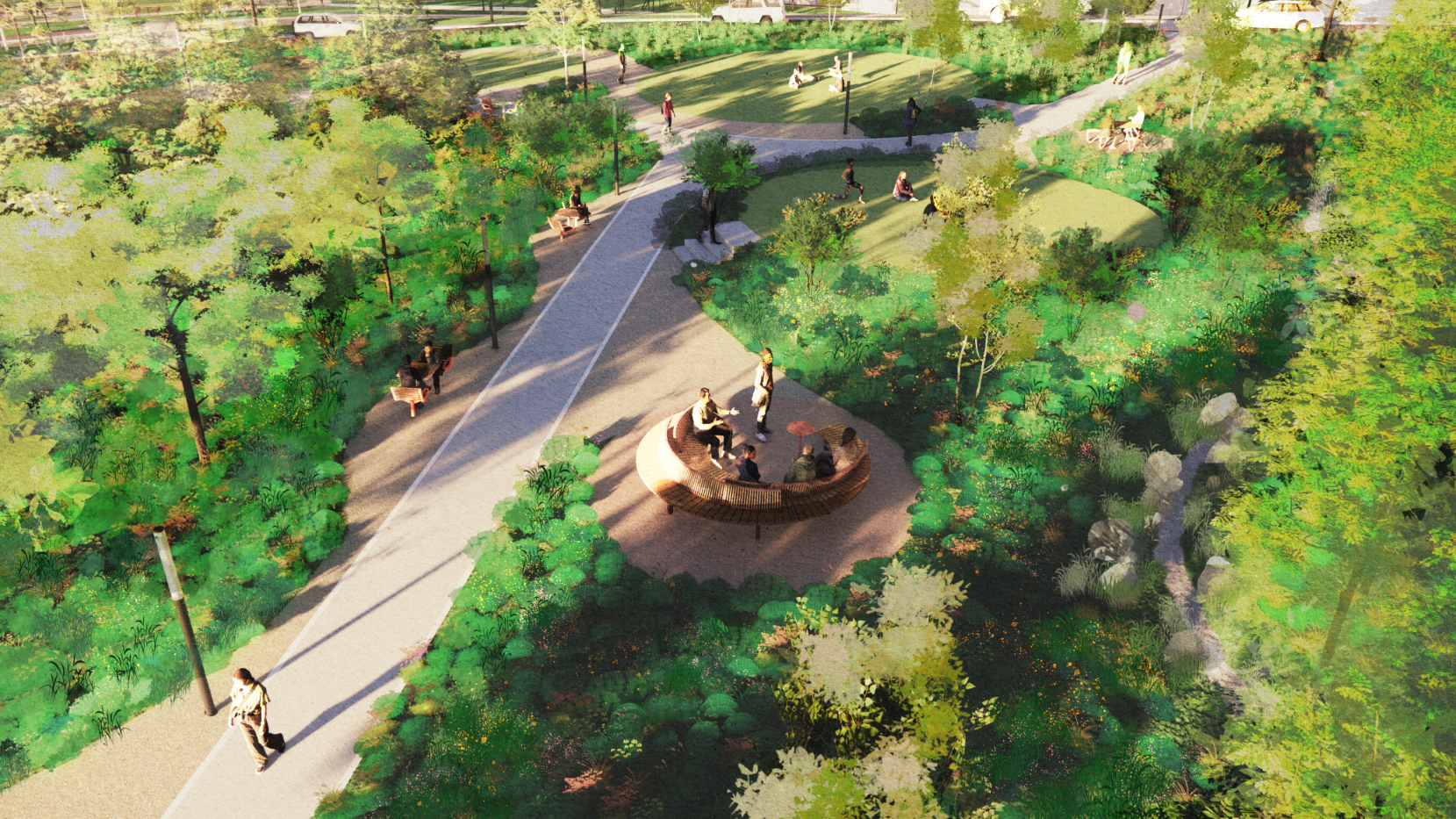
Planning approval granted for new nature park at Royal Liverpool Hospital
A major milestone has been reached in the future of patient and community wellbeing in Liverpool, as planning permission has been granted by Liverpool City Council for a landmark project that will create a nature-rich public garden on the former Royal Liverpool...