
UNUSED UK OFFICE SPACE ALMOST 50 TIMES LARGER THAN LONDON’S O2 ARENA
With 2020 dubbed ‘the year of remote working’, demand for office space in the UK could drop by up to 50% as more businesses realise the value of flexibility post-COVID-19 according to a report by Commercial Property Specialists Instant Offices. With 60% of the UK workforce working from home during peak-lockdown and millions of businesses struggling to cover […]

Jun 17, 2020
With 2020 dubbed ‘the year of remote working’, demand for office space in the UK could drop by up to 50% as more businesses realise the value of flexibility post-COVID-19 according to a report by Commercial Property Specialists Instant Offices.
With 60% of the UK workforce working from home during peak-lockdown and millions of businesses struggling to cover overheads, offices across the country have been left standing empty and rental negotiations have stalled.
At a vacancy rate of 4.5% (57.6 million sq ft of empty space) the amount of unused commercial office space in the UK right now is almost 50 times larger than London’s O2 Arena, which is 1.2 million sq ft.
The Instant Group, says “COVID-19 has shown the world that we can cope with rapid changes to the way we all work, and as more businesses embrace flexibility, we’re going to see a permanent shift in the way an office can meet individual needs.”
With the future office becoming a mix of a central office, flexible locations and a remote working wing. The experts at Instant Offices discusses the three changes that the industry is likely to see in the second half of the year and into 2021.
1. Half the workforce could become remote
Whether they were ready for it or not, COVID-19 forced business leaders and employees to embrace remote working, with many discovering unforeseen benefits. To manage costs, a Gartner report shows over 70% of CFOs are planning to move part of their on-site workforce into remote roles post-COVID.
In a report for The Instant Group, CRE advisor Simon Johnson predicts that on the other side of lockdown, regular remote working could become the norm for up to 50% of the UK workforce in the long-term, reducing the need for one central office space. Instead, we will see more people working from home or multiple flexible spaces.
This will have a significant impact on corporate footprint requirements, but for companies to transition smoothly, considerable planning is needed to manage change from an organisational and policy perspective.
2. Demand for flexible office space to outstrip supply
Long-lease commercial property still dominates the UK market, with flex space like coworking offices or serviced offices accounting for just 6% of the total market share – but this is set to change as the flexible trend grows. Post-COVID, Instant predicts more companies will be unwilling to take on the expense of a long-term lease, or the level of risk that comes with it.
Flexible office providers have already reacted to emerging trends. According to Instant Offices data, over 60% of providers are offering reduced rates or rent holidays to current clients, while commercial spaces are attracting new business with virtual tours, rent-free periods and discounts of between 16% – 20%, enabling firms to sign on now at a reduced rate, for occupancy at a later date.
3. Tech integration will monitor employee wellbeing
In addition to spaced out desks, altered air conditioning systems and thorough cleaning protocols, tech and wellness will become more heavily integrated into offices around the world. Some buildings have already installed monitoring systems to encourage employees to start heading back to the office.
Office life could soon include daily online wellness checks, assigned arrival times at the office to avoid bottlenecks, and limited meetings and face-to-face interactions. AI and motion sensors could raise the alarm if social distancing guidelines are not being followed, while thermal cameras will be used to measure employee temperatures on arrival at work.
As businesses prepare to go back to work and commercial real estate leaders roll out plans for re-entry into different physical spaces, it is more important than ever for landlords and tenants to collaborate more closely.
Related Posts
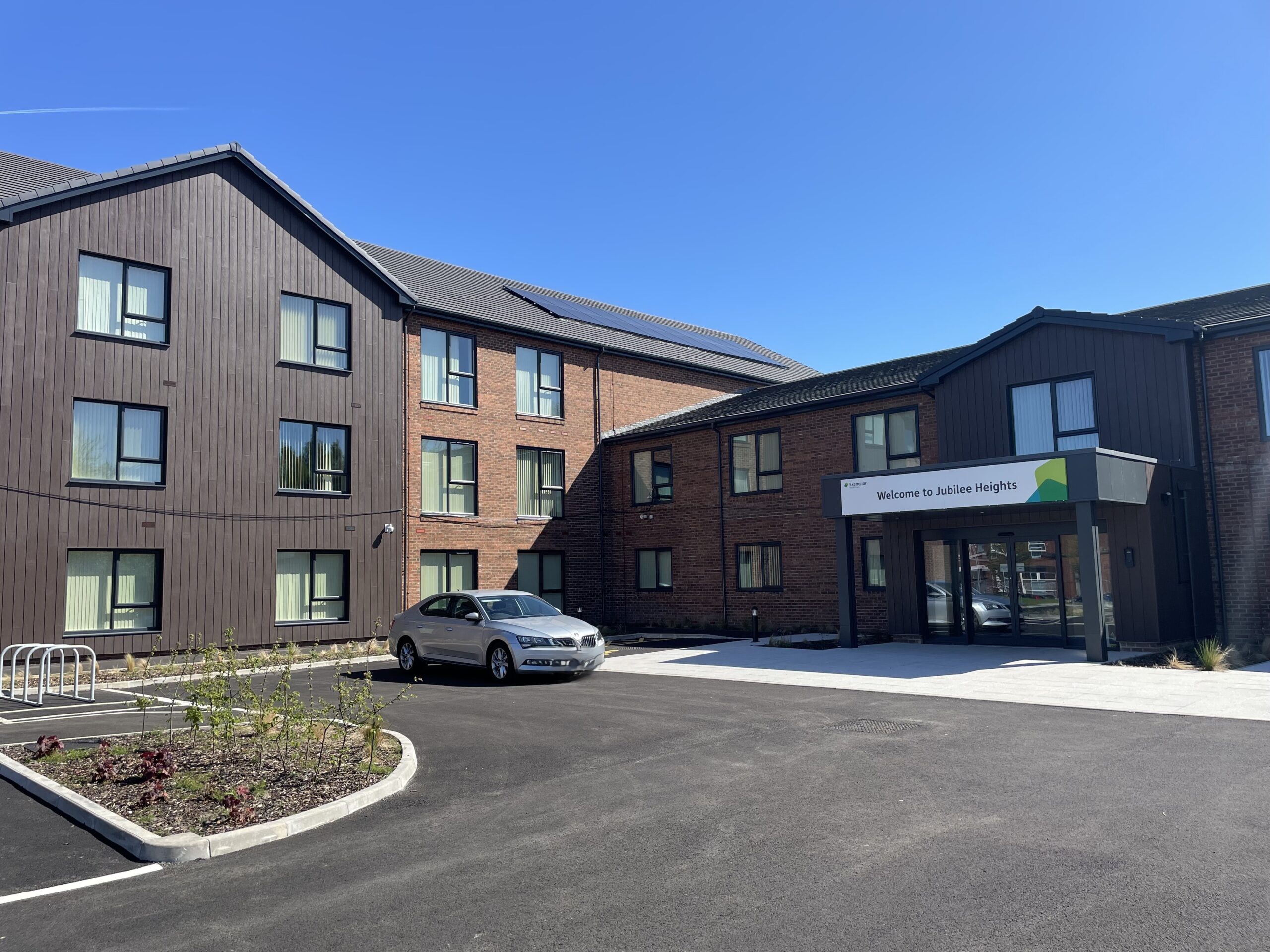
Firecrest Construction Completes 40 Bed Care Home For Exemplar Health Care
Firecrest Construction has successfully completed the complex delivery of a new 40 bed care home in Bury town centre for Exemplar Health Care. As principal contractor to the scheme, Firecrest delivered the job on budget and on time, handing over after 64 weeks...
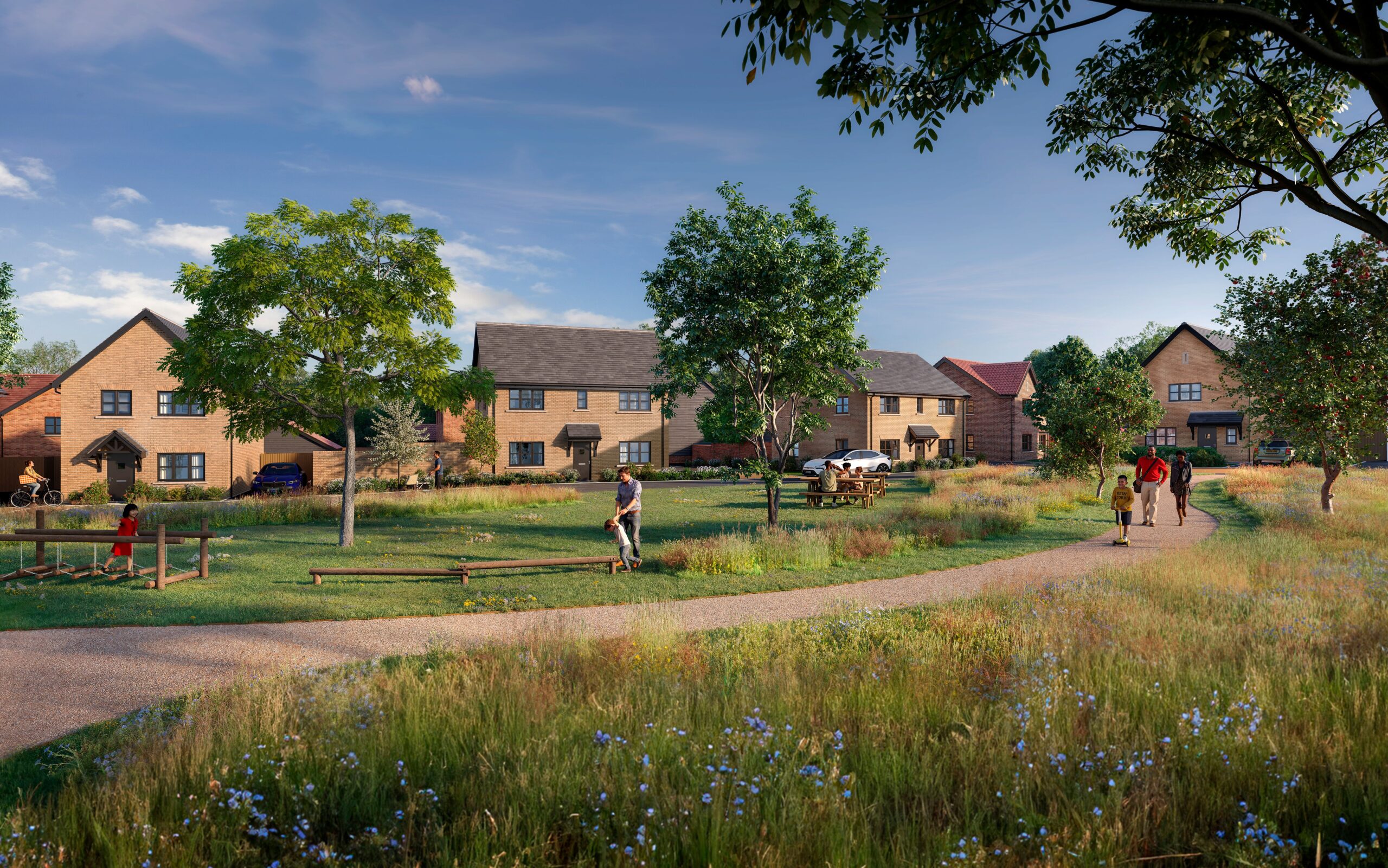
The Hill Group Achieves Hat Trick of Planning Successes Across the South East
Award-winning housebuilder The Hill Group has secured a hat trick of planning permissions across the South East, marking a significant milestone in the delivery of much-needed new homes across the region. Across three newly approved schemes in Essex, Oxfordshire and...
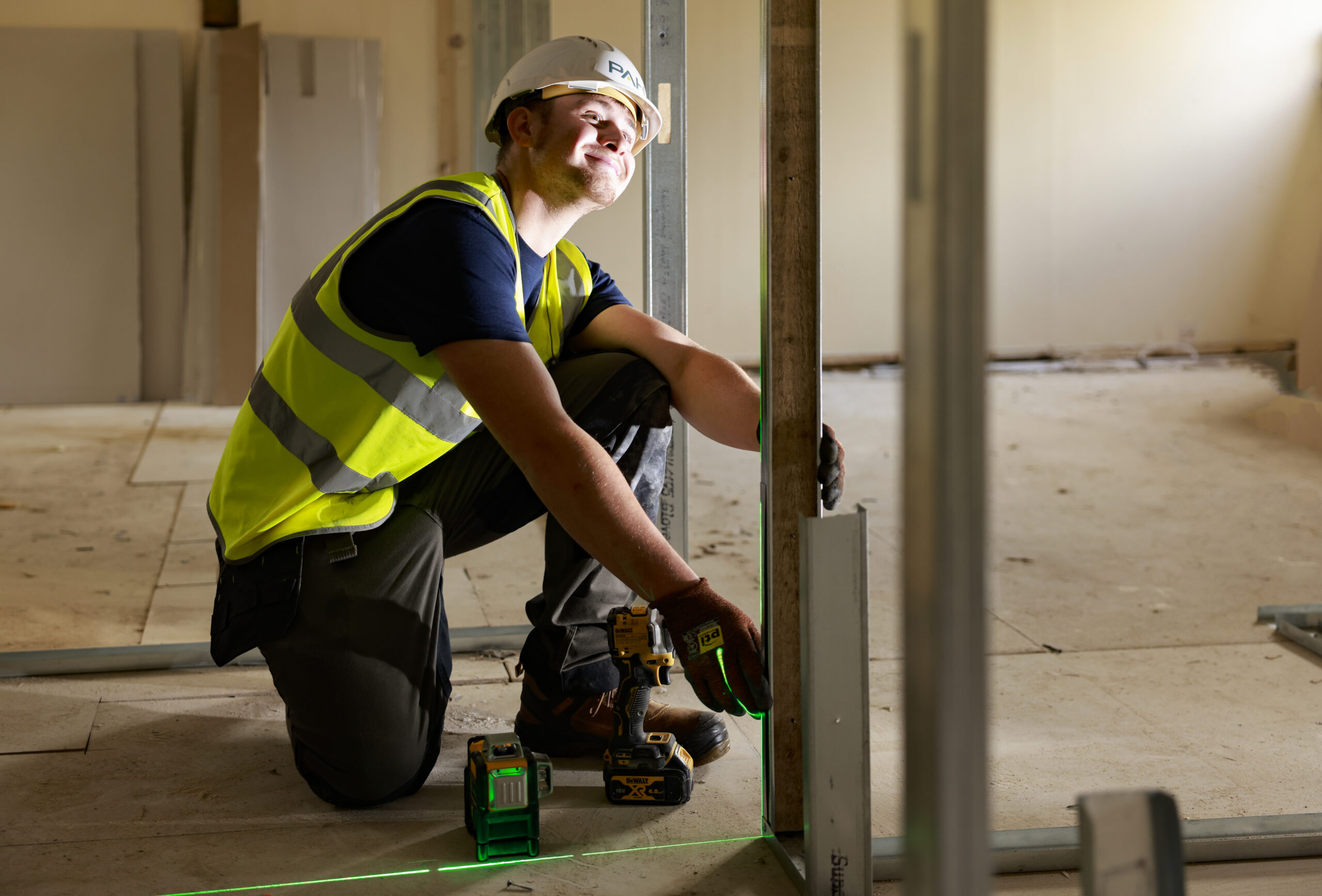
Hampshire construction firm charts record growth despite industry challenges
Hampshire-based construction firm, PAH Building & Construction, has already secured two thirds of its projected £18 million turnover for 2026, driven mainly by growth in its retrofitting and insurance work. This milestone has been achieved despite wider industry...