
The Ongoing Threat of Asbestos in Construction
Despite its ban from construction a 25 years ago, asbestos continues to be a prevalent issue for the construction industry. The Health and Safety Executive's (HSE) campaign, launched in January of this year, "Asbestos: Your Duty," underscores the need for stringent adherence to legal obligations concerning asbestos management. In the wake of this initiative, it's […]

Aug 15, 2024
Despite its ban from construction a 25 years ago, asbestos continues to be a prevalent issue for the construction industry. The Health and Safety Executive's (HSE) campaign, launched in January of this year, "Asbestos: Your Duty," underscores the need for stringent adherence to legal obligations concerning asbestos management. In the wake of this initiative, it's crucial to delve into the persistent dangers posed by asbestos and the imperative for heightened awareness and compliance within the construction sector.
Asbestos, once praised for its insulating properties and fire resistance, has emerged as a silent killer within construction. While its use was outlawed in 1999, it can still be found in structures erected prior to this, encompassing workplaces, schools, hospitals, and other communal edifices.
Astonishingly, a recent survey by Slater and Gordon unveiled startling lapses in awareness within the construction domain, with a significant proportion oblivious to the perils posed by asbestos exposure:
11% of those surveyed working in the industry, including architects, construction workers and engineers, are unclear about what asbestos is.
7% of those surveyed are unaware that asbestos exposure can cause health problems.
27% of those surveyed don’t know that mesothelioma can occur as a direct result from exposure.
4% of those surveyed thought handling asbestos was perfectly safe.
29% of those surveyed didn’t realise asbestos could be found in industrial buildings,
42% of those surveyed weren’t aware asbestos could be in ceiling tiles and floor cavities.
51% of those surveyed weren’t aware it may be in floor tiles.
40% of those surveyed thought residential buildings were always completely safe from asbestos.
Asbestos, manifested in varieties like crocidolite, amosite, and chrysotile, poses an existential threat when its fibres become airborne, typically during construction activities like drilling or cutting. The Control of Asbestos Regulations 2012 delineates stringent protocols for safeguarding workers against exposure, given the profound health ramifications associated with asbestos-related diseases. Shockingly, HSE estimates attribute over 2,500 construction worker deaths annually to asbestos-related illnesses, highlighting the gravity of this occupational hazard.
The responsibility for managing asbestos lies with those in charge, like property owners, managers, and maintenance workers. They must do thorough checks for asbestos and make detailed plans to keep everyone safe. It's important to inspect for asbestos carefully, and it's the duty holders' job to make sure they're doing everything they can to reduce the risk of exposure. Also, the plea from IOSH for the government to step in shows just how urgent it is to improve how we manage asbestos and make sure everyone is protected.
The HSE's proactive campaign seeks to raise awareness to stakeholders across the construction spectrum, encouraging a culture of heightened vigilance and compliance in relation to asbestos management. Through distribution of updated resources and educational materials, coupled with stringent regulatory oversight, stakeholders are impelled to fortify their arsenals against the pervasive threat of asbestos exposure. The presence of asbestos poses a significant threat that requires us to be diligent and strictly follow regulations. By strengthening our shared commitment and raising awareness in the construction industry, we can face this problem directly, ensuring the safety of workplaces and the people who use them. Let's act now to address this issue, recognising asbestos as a lesson in the importance of staying vigilant and resilient across the industry.
Related Posts
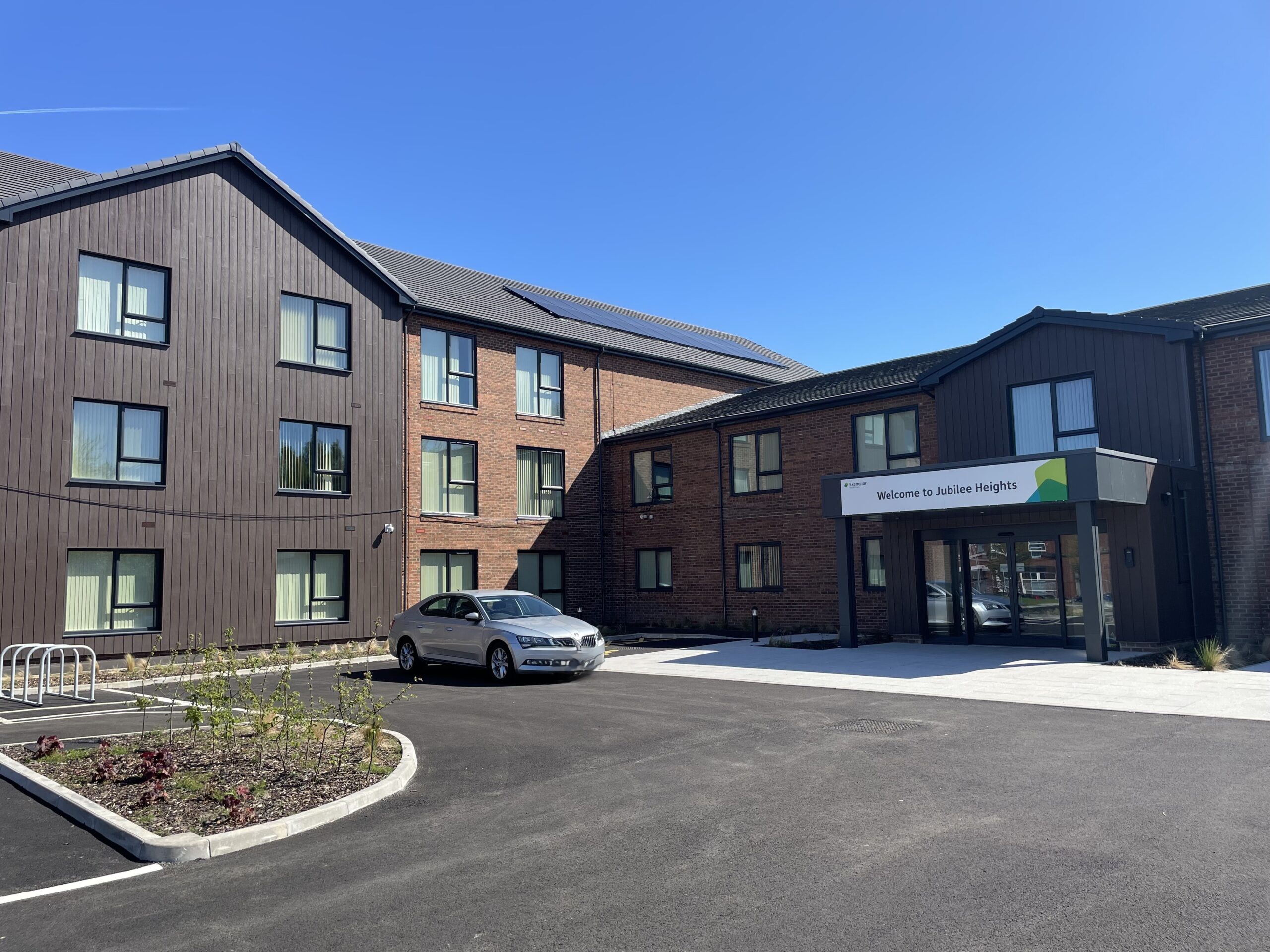
Firecrest Construction Completes 40 Bed Care Home For Exemplar Health Care
Firecrest Construction has successfully completed the complex delivery of a new 40 bed care home in Bury town centre for Exemplar Health Care. As principal contractor to the scheme, Firecrest delivered the job on budget and on time, handing over after 64 weeks...
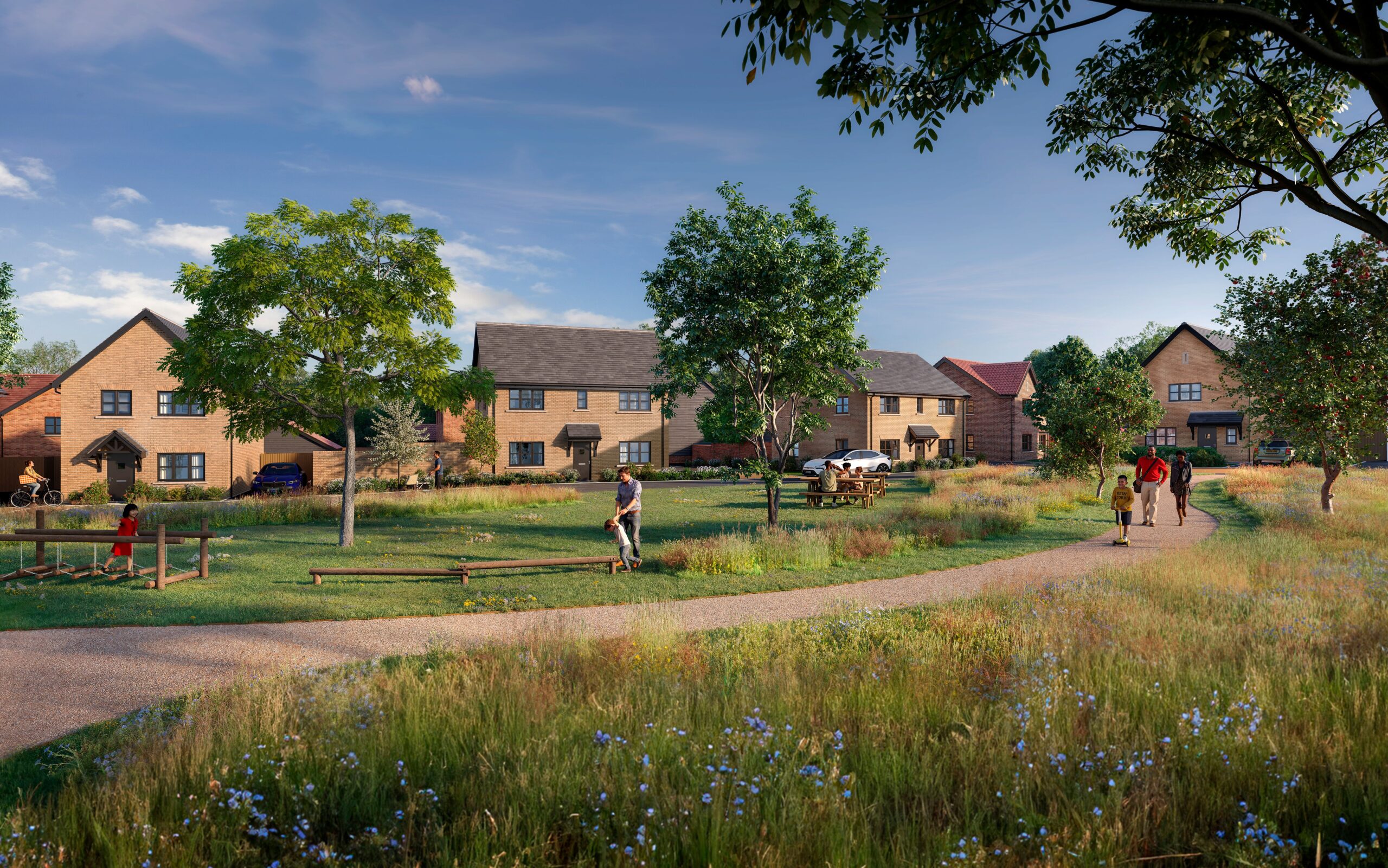
The Hill Group Achieves Hat Trick of Planning Successes Across the South East
Award-winning housebuilder The Hill Group has secured a hat trick of planning permissions across the South East, marking a significant milestone in the delivery of much-needed new homes across the region. Across three newly approved schemes in Essex, Oxfordshire and...
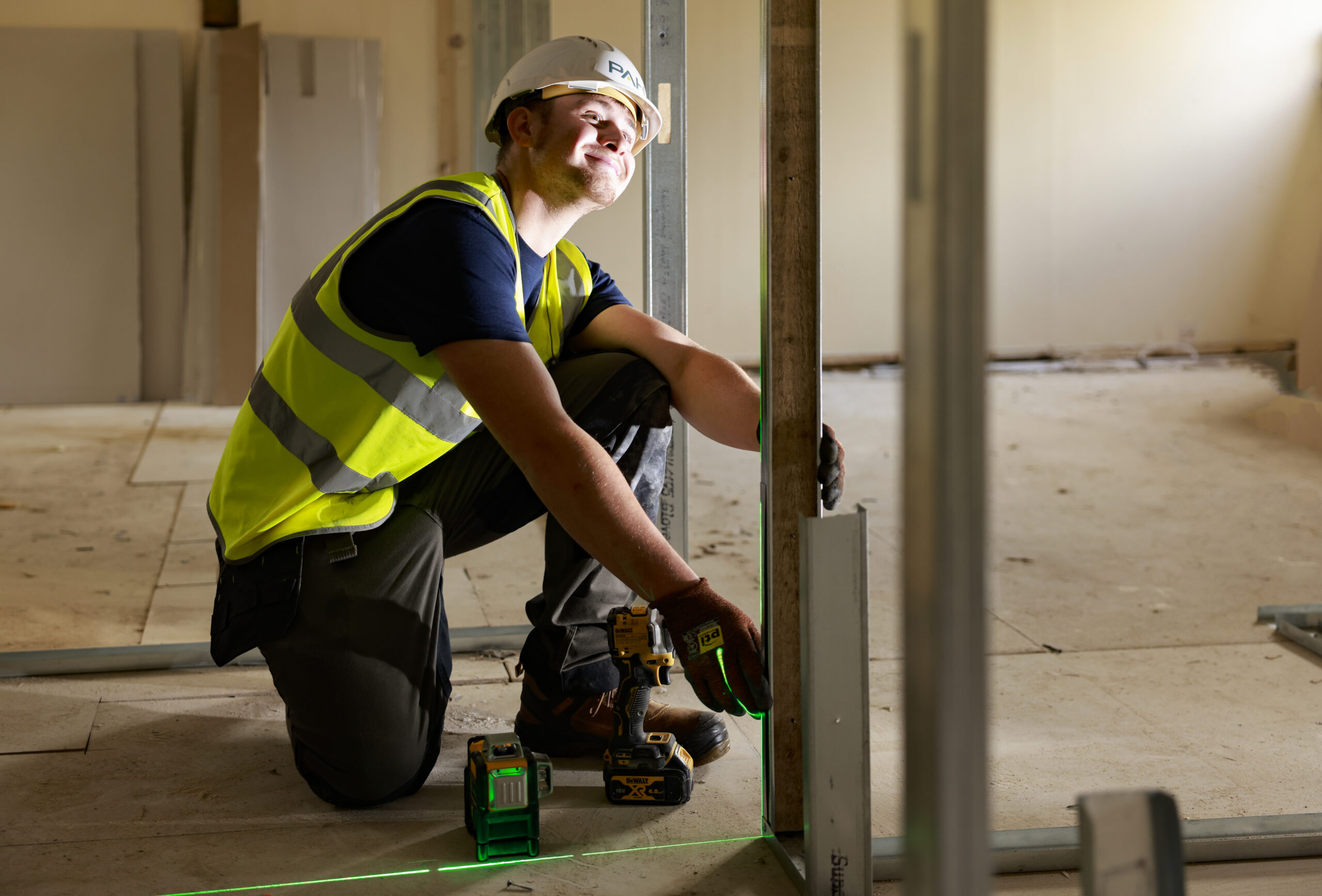
Hampshire construction firm charts record growth despite industry challenges
Hampshire-based construction firm, PAH Building & Construction, has already secured two thirds of its projected £18 million turnover for 2026, driven mainly by growth in its retrofitting and insurance work. This milestone has been achieved despite wider industry...