
The Levelling Up White Paper and Devolution
The Levelling Up White Paper aims to expand and deepen local devolution in England, empowering local leadership and securing a devolution deal and a simplified long term funding settlement for ‘every part of England that wants one’ by 2030. Currently under 50% of UK residents live in an area covered by a devolution deal. The […]

May 25, 2022
The Levelling Up White Paper aims to expand and deepen local devolution in England, empowering local leadership and securing a devolution deal and a simplified long term funding settlement for ‘every part of England that wants one’ by 2030.
Currently under 50% of UK residents live in an area covered by a devolution deal. The White Paper offers local leaders a broader range of functions, greater revenue raising powers, increased accountability, and responsibility. The West Midlands and Greater Manchester will be the ‘trailblazers’, acting as examples for other mayoral combined authorities.
But is this compatible with the overall objective of the White Paper to address regional inequality? Or will the devolution agenda strengthen geographical divides? And can devolution truly impact the planning system?
And what of those areas less well suited to devolution such as the Home Counties. Planning delivery in these areas has recently seen a move away from broader geographies towards smaller localised geographies. This includes East Hampshire and Havant which recently ended a twelve year partnership in order to focus more closely on their own priorities.
Similarly, Cherwell and Oxfordshire County Council recently voted to dissolve its partnership. Many in the Home Counties question the repeated failings of previous reorganisations and partnerships – so will there be any appetite for devolution in these areas?
And if there is appetite for devolution, will it deliver any more efficient or effective planning? A recently created unitary authority, Buckinghamshire Council was required to prepare a new Local Plan by April 2025, but its progress appears to be limited due to uncertainties within planning policy.
What will happen to devolved authorities if their Plans do not progress within the set timescales or there are issues with decision making and underperformance – such as in the case of Uttlesford, which was recently stripped of its planning powers?
There remain many questions about how much planning power will devolved administrations have, and how effective can they be. To gain answers to this question, we urgently need to understand the future direction of national planning policy which is currently very uncertain.

Alice Davidson is an Associate Director at Boyer with over 8 years’ experience in the public and private sector. Alice works on a variety of projects but specialises in securing residential planning permissions and promoting land for residential development in the Thames Valley.
Sponsored Advert

Related Posts

Developer shows support for St Austell school
Cornwall’s biggest housebuilder has donated £2,000 to supporters of a special school near St Austell. The donation from Persimmon Homes to Friends of Doubletrees School in St Blazey comes from the developer’s Community Champions programme that sees £700,000 donated to...
City Centre South reaches major milestone as first tower begins to rise
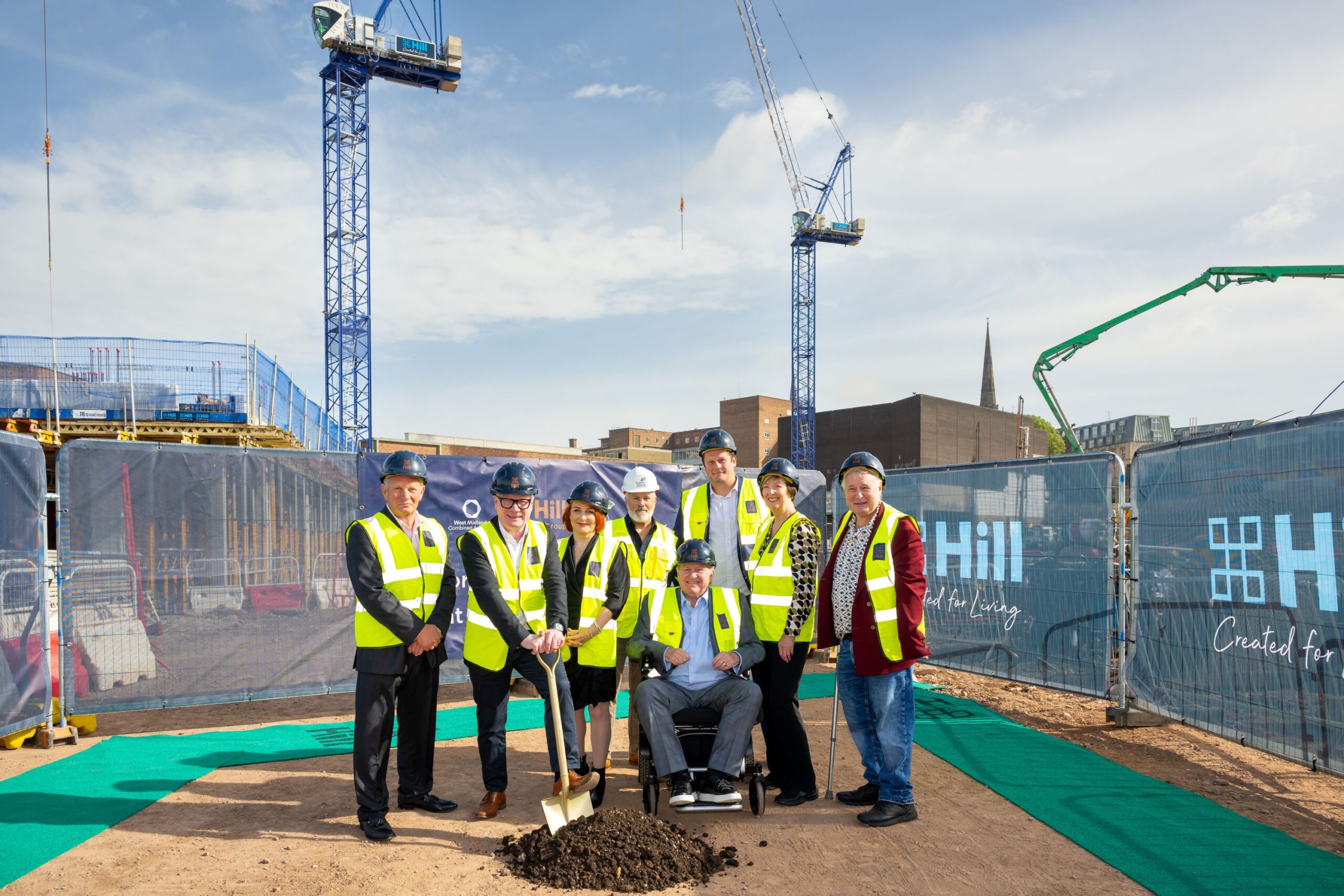
A major milestone has been reached at Coventry's transformational City Centre South regeneration project developed by The Hill Group, with the first tower now rising from the ground following the completion of demolition and extensive groundworks across the site....
New Forest District Council’s strategy puts prevention at the heart of tackling homelessness in the district
New Forest District Council (NFDC) has launched a strategy to prevent homelessness, support people at risk, and help residents find secure accommodation. The Homelessness and Rough Sleeping Strategy sets out NFDC’s priorities for tackling homelessness and...