
TfL budget shows good progress towards achieving an operating surplus by 2021/22
TfL’s draft budget details the wide range of transport improvements that will be delivered in 2018/19 Operating costs expected to be around £200m lower than budget in 2017/18 Transport for London (TfL) today published its draft budget for 2018/19, which describes the transport improvements that will be delivered for London in the first year […]

Mar 14, 2018
- TfL’s draft budget details the wide range of transport improvements that will be delivered in 2018/19
- Operating costs expected to be around £200m lower than budget in 2017/18
Transport for London (TfL) today published its draft budget for 2018/19, which describes the transport improvements that will be delivered for London in the first year of its latest five- year Business Plan. The Business Plan, published in December last year, set out a fully funded plan for delivering the Mayor’s Transport Strategy, including investing record amounts in public transport and prioritising safer and less polluted streets, with an unprecedented focus on walking and cycling over the next five years.
The 2018/19 budget being published today details how TfL will work to achieve the first year of that plan, continuing to modernise transport services and deliver further recurrent savings, which will help it to manage an average £700m per year reduction in Government funding.
Significant savings have already been achieved through reducing management layers, merging functions, renegotiating contracts and delivering transport improvements more efficiently. In the last financial year the day to day costs of running London’s transport network were reduced by £153m, the first such reduction in TfL’s history.
TfL expects this trend to continue, with like-for-like costs to be lower than last year, and total operating costs £200m better than the 2017/18 budget. This more than offsets the impact of external factors that have meant income has been lower than originally forecast. The budget for 2018/19 details how TfL will continue on that trajectory to achieve an operating surplus for the first time by 2021/22.
With the removal of the Government grant, this will be the first year that TfL has had to address the critical and unique demands of London’s road network, including congestion, maintenance, renewals and air quality, without support from the Government.
Both TfL and the Mayor are calling on the Government, as part of their Transport Investment Strategy, to make sure that a link between ‘roads tax’ and roads funding is applied to London as well. This would allow TfL and the boroughs to continue modernising London’s road network, as well as support more walking and cycling journeys across the Capital. From 2021, the £500m raised every year from Londoners’ Vehicle Excise Duty will be collected by central Government and only invested in roads outside the capital.
Against this economic backdrop, TfL will deliver a huge range of improvements for Londoners in 2018/19. These include:
- The successful delivery of the Elizabeth line from December 2018, which will re-define travel in London, delivering an additional 10 per cent rail capacity in Central London. The new rail line, which is now more than 90 per cent complete, will be accessible with step-free access at every station in December 2019.
- Creating a more accessible transport network for all Londoners. All of the new Elizabeth line trains that open this year will be step-free. TfL will also this year provide step-free access at Finsbury Park, Buckhurst Hill, Newbury Park, South Woodford and Victoria stations and start work on a further 13. TfL will also introduce a new turn up and go app for staff across the Tube network, to better manage and track requests for customer assistance.
- Continued modernisation of London Underground to provide increased capacity and more frequent services. The first section of the Circle, district, Hammersmith & City and Metropolitan lines’ new signalling will go live later this year that, when complete, will provide 32 trains per hour in Central London; a 33 per cent increase in peak-hour capacity. Work will also begin on providing new trains on the Piccadilly line with the contract for the new fleet being awarded in the summer. Together with the new automatic signalling on the line, this will provide 60 per cent extra capacity by 2026.
- Creating the greenest bus fleet in the world. More than 1,000 diesel vehicles will be retrofitted with Selective Catalytic Converters, with over half the diesel bus fleet compliant with the Euro Vi engine emission standard by the end of 2018/19. This will ensure all buses in central London meet ULEZ standards and support the four further Low Emission Bus Zone routes that will be introduced at some of the worst pollution hotspots in the Capital.
- Continued investment to increase capacity on the rail network, with a full upgrade of White Hart Lane station to serve Tottenham Hotspur’s new stadium and support regeneration in the local area. Work on the extension of Overground services to Barking Riverside has begun, which will boost capacity and supporting the development of large swathes of London. New four-car electric trains will be introduced on the London Overground Gospel Oak to Barking, boosting capacity and contributing to improved air quality.
- Delivering the Healthy Streets Approach across London, with the start of more than 25 Healthy Streets local schemes and the first seven Liveable Neighbourhoods projects, which will transform the way local streets work to enable people to walk, cycle or take public transport more, and use private cars less. A number of major schemes, including Highbury Corner and Old Street roundabout will begin, and plans agreed for new Cycle Superhighways. There will also be a second consultation on the new dedicated cycling and pedestrian crossing from Rotherhithe to Canary Wharf.
- There will be sustained and record investment in transport improvements across London’s boroughs – the most significant example of this being the proposed transformation of Oxford Street and the surrounding area which, subject to a final decision, could begin in the summer.
- The development of TfL land for housing and commercial space to help fund transport improvements will continue at pace which will deliver more than 3,000 homes, 50 per cent of which will be affordable. TfL will also introduce 4G to the Tube and the Elizabeth line – removing one of the UK’s largest ‘not-spots’ for connectivity.
London’s Transport Commissioner, Mike Brown MVO, said: “This budget sets out what we will deliver in the next year as part of the Mayor’s Transport Strategy as we work to achieve his vision for 80 per cent of journeys to be made by walking, cycling and public transport by 2041. We will continue with our massive programme of investment in the transport network, modernising and boosting capacity, delivering healthier safer streets and providing affordable and accessible transport that will support London’s economic growth.
“This will be achieved alongside our extensive savings programme which is reducing our day to day costs, while protecting frontline services, as we manage a £700m per year reduction in Government subsidy. This will put us well on the way to generating an operating surplus for the first time in our history in 2021/22.”
Deputy Mayor for Transport, Val Shawcross, said: “The next year will be a truly exciting time for London, with the opening of the Elizabeth line, and major projects like the transformation of Oxford Street. At the same time, today’s budget shows how we’re also looking to the future with further tube modernisation and an unprecedented commitment to walking and cycling infrastructure. Through our major programme of TfL efficiencies, I’m proud that despite the removal of our Government grant, we’re both freezing TfL fares and building a world-class transport network that will improve quality of life for Londoners all across our city.”
TfL’s draft budget will be considered by the Board on 20 March and will be published on the TfL website later today at https://tfl.gov.uk/corporate/publications-and-reports/board-papers
Related Posts
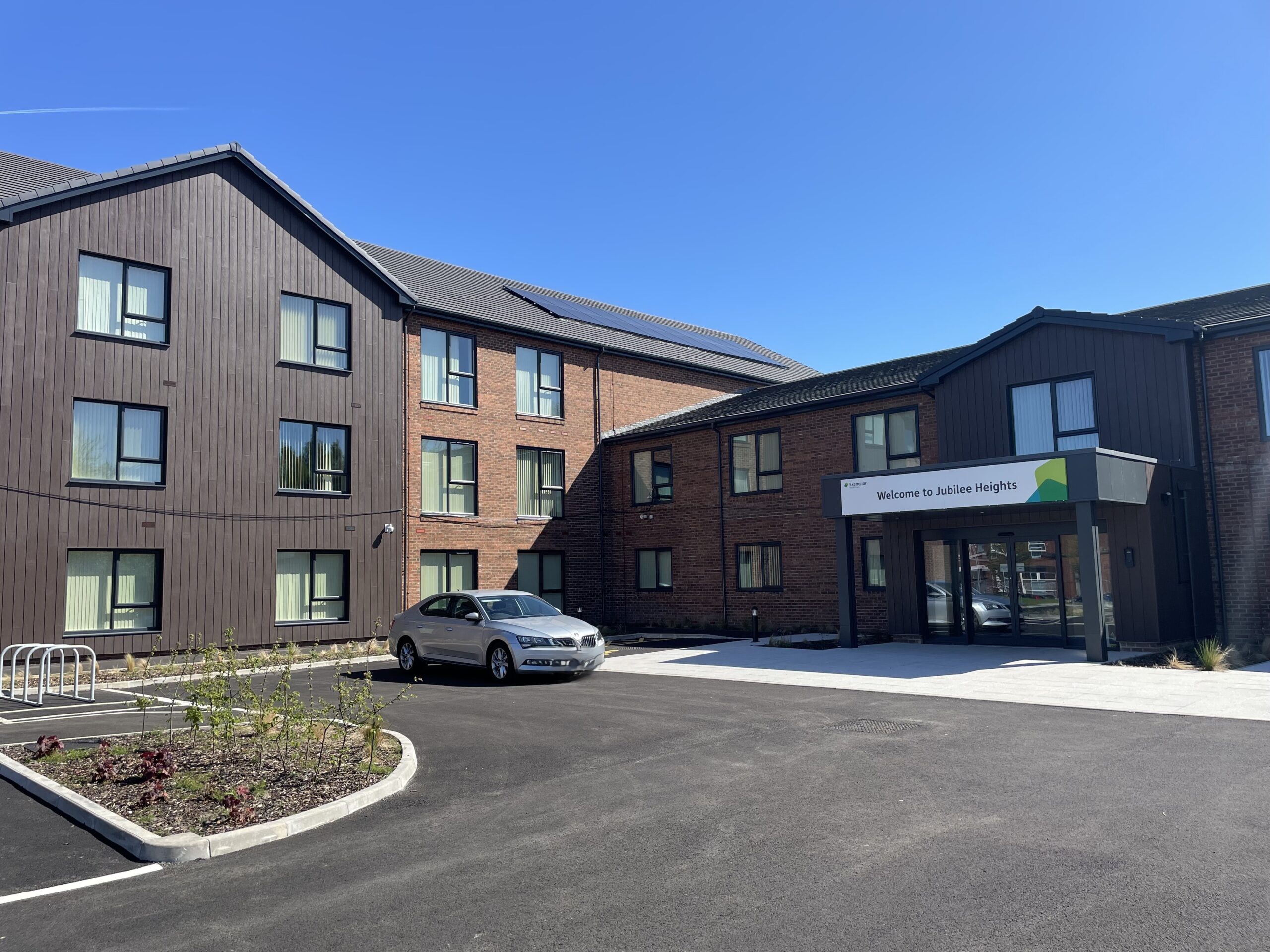
Firecrest Construction Completes 40 Bed Care Home For Exemplar Health Care
Firecrest Construction has successfully completed the complex delivery of a new 40 bed care home in Bury town centre for Exemplar Health Care. As principal contractor to the scheme, Firecrest delivered the job on budget and on time, handing over after 64 weeks...
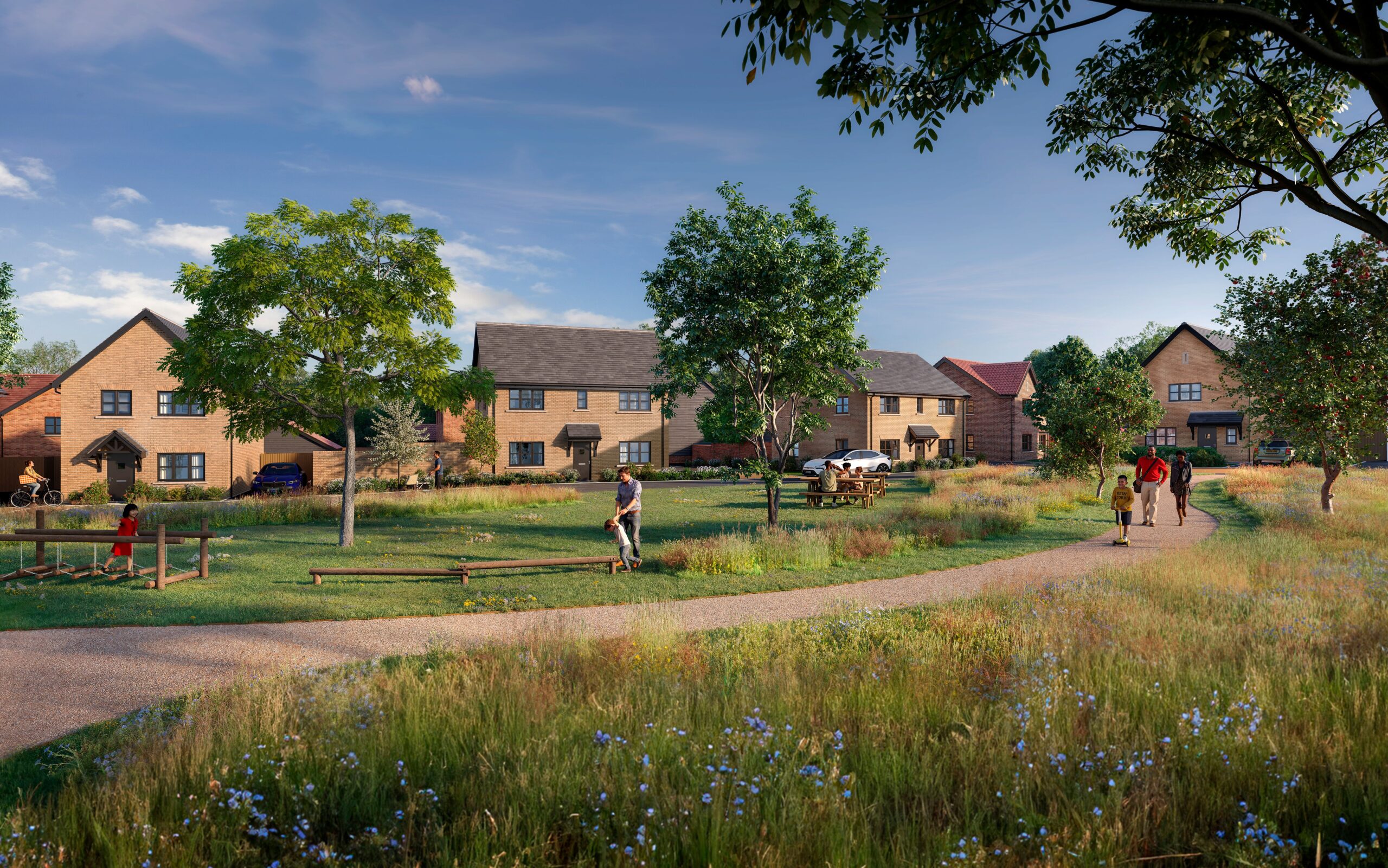
The Hill Group Achieves Hat Trick of Planning Successes Across the South East
Award-winning housebuilder The Hill Group has secured a hat trick of planning permissions across the South East, marking a significant milestone in the delivery of much-needed new homes across the region. Across three newly approved schemes in Essex, Oxfordshire and...
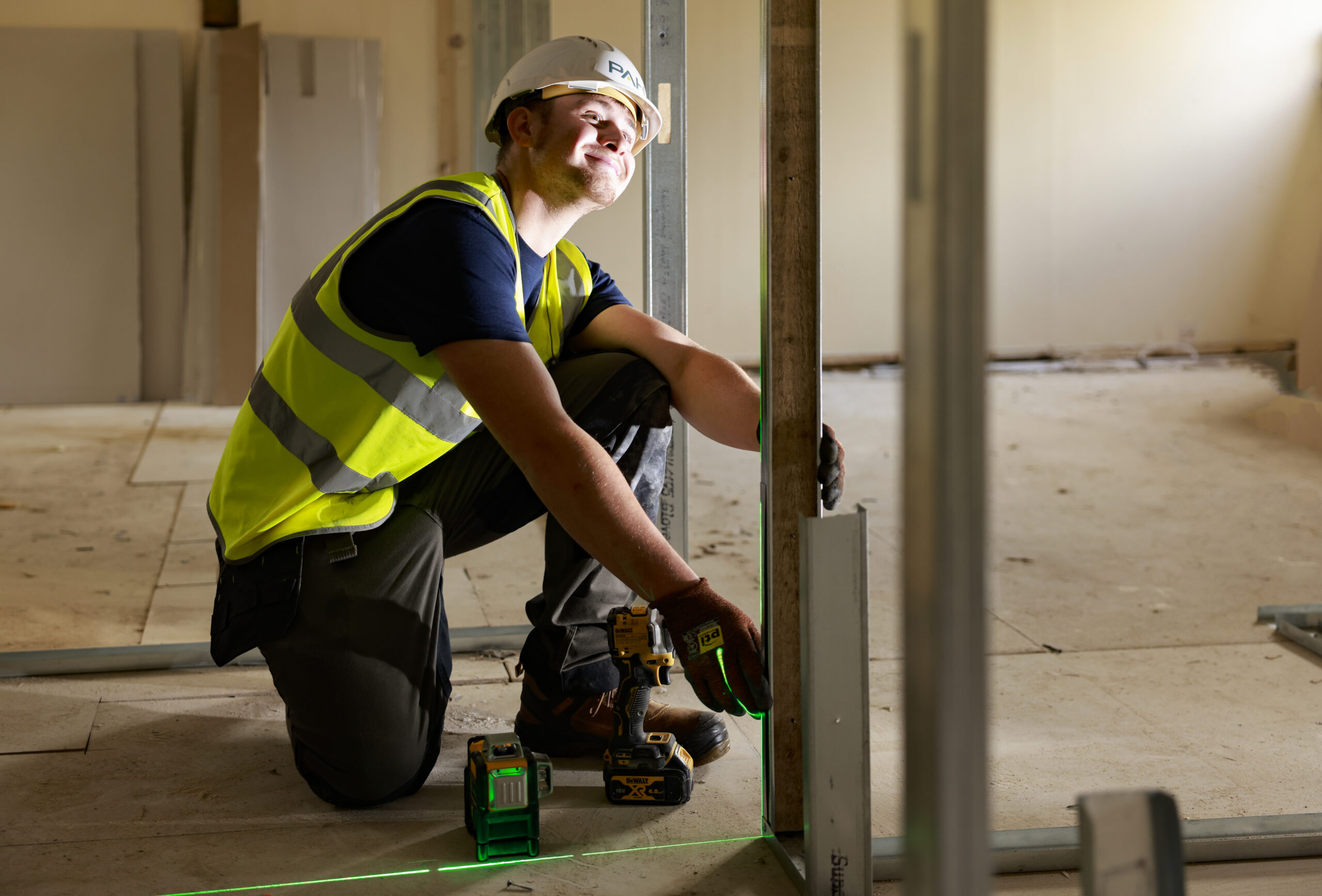
Hampshire construction firm charts record growth despite industry challenges
Hampshire-based construction firm, PAH Building & Construction, has already secured two thirds of its projected £18 million turnover for 2026, driven mainly by growth in its retrofitting and insurance work. This milestone has been achieved despite wider industry...