
Surge in labour costs expected to hit construction industry
Labour costs are set to overtake the cost of materials as the biggest challenge facing the construction industry during the year ahead, according to new analysis from the Building Cost Information Service (BCIS). As part of its quarterly data briefing on construction inflation, BCIS is forecasting a 10 per cent uptick in labour costs over […]

Jul 18, 2023
Labour costs are set to overtake the cost of materials as the biggest challenge facing the construction industry during the year ahead, according to new analysis from the Building Cost Information Service (BCIS).
As part of its quarterly data briefing on construction inflation, BCIS is forecasting a 10 per cent uptick in labour costs over the next year, as high inflation and the cost-of-living crisis put pressure on wages.
The impact of inflation is compounded by ongoing labour shortages across the industry, with 69 per cent of British civil engineering firms reporting difficulties finding skilled operatives for infrastructure projects that include HS2.
Dr David Crosthwaite, chief economist at BCIS, reported that annual growth in the BCIS labour cost index is predicted to increase to five per cent in the third quarter of this year, rising to 8.3 per cent in the second quarter of 2024.
He said: “While the cost of materials is now stabilising, labour is set to become the next biggest cost driver for construction going forward.
“Labour site rates continue to rise faster than wage awards. We’re expecting a period of catch-up, with people demanding wage increases that go towards offsetting some of the price rises we’ve seen across the rest of the economy.
“It’s also important to remember that while material cost increases are slowing, levels are still significantly higher than they were three or four years ago.“
According to data from the Office for National Statistics (ONS) analysed by BCIS, there has been a declining trend in total employment in construction since the pandemic, mostly driven by a fall in self-employed workers.
Although the number of insolvencies is high - with more than 1,000 construction firms going bust in the last quarter – the total number of construction businesses operating has grown exponentially, from just under 200,000 in 2014 to approximately 375,000 in 2022, despite recent crises.
Dr Crosthwaite added: “Since 2019, the overall construction workforce has shrunk by 181,000 people – 98 per cent of whom were self-employed. The number of those employed has also fallen, but by a smaller proportion.
“The volume of this decline is significant. What’s interesting is that despite the number of insolvencies having risen and the number of workers falling, the number of firms and labour productivity both appear to be increasing, suggesting that the industry is becoming more efficient.“
BCIS forecasting data and figures from the Office for National Statistics (ONS) show total construction work output is now above pre-pandemic levels, at £46,409m for Q1 2023, driven by growth in the repair and maintenance industry. However new work output has declined in the last quarter and remains below levels recorded in 2017, at £27,822m for Q1 2023.
For more information about BCIS, visit the website at www.bcis.co.uk
Related Posts

The Hill Group Achieves Hat Trick of Planning Successes Across the South East
Award-winning housebuilder The Hill Group has secured a hat trick of planning permissions across the South East, marking a significant milestone in the delivery of much-needed new homes across the region. Across three newly approved schemes in Essex, Oxfordshire and...
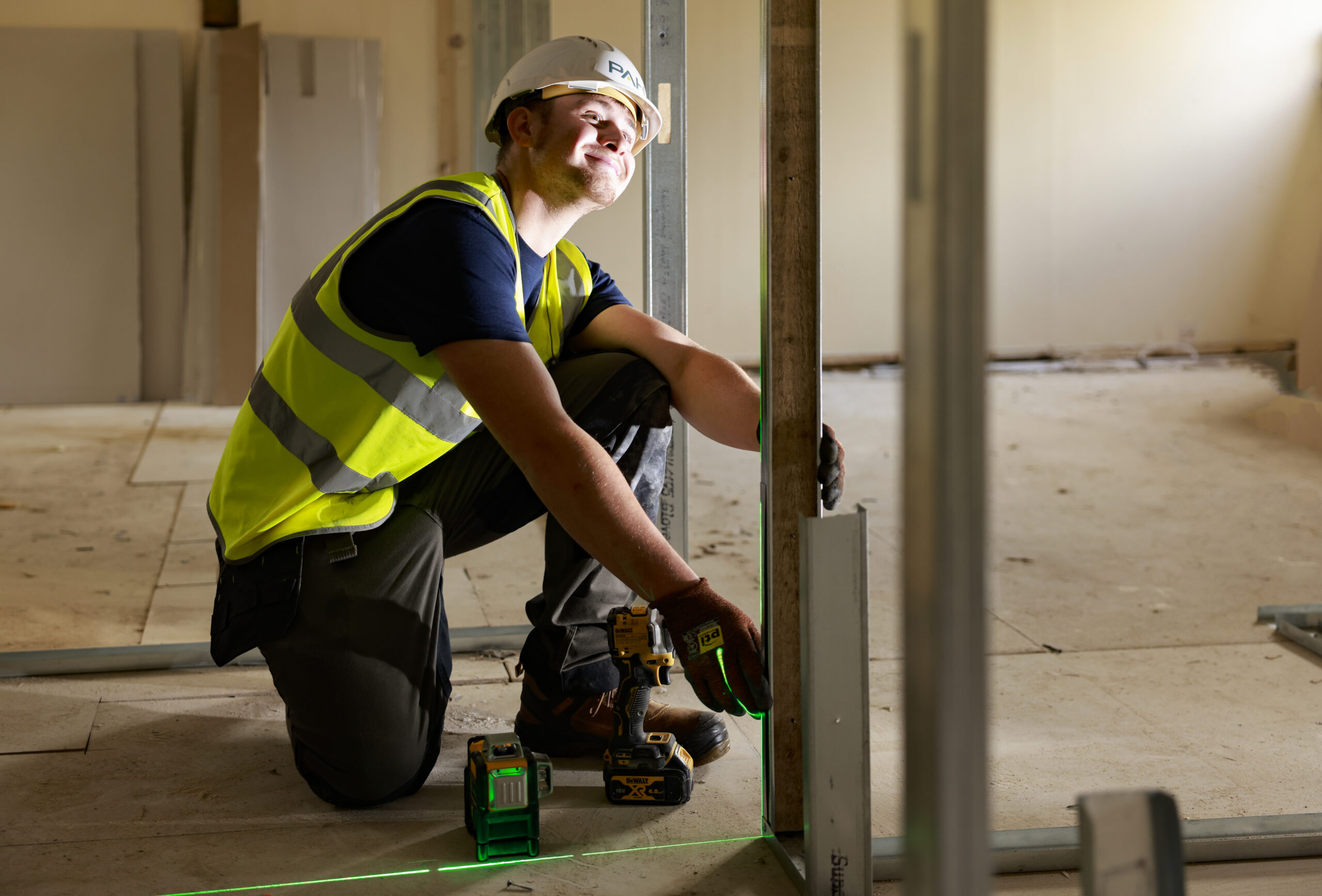
Hampshire construction firm charts record growth despite industry challenges
Hampshire-based construction firm, PAH Building & Construction, has already secured two thirds of its projected £18 million turnover for 2026, driven mainly by growth in its retrofitting and insurance work. This milestone has been achieved despite wider industry...
Perega appointed on major Horsham residential development
Engineering-led approach to deliver 183 houses and five apartment blocks within Taylor Wimpey’s Crawley masterplan. LONDON, UK - May 5th 2026 - Perega is tackling some of the South East’s toughest water neutrality requirements and fifteen metres of unstable made...