
Supply chain issues hamper recovery for builders, says FMB
Nine in ten builders face rising costs, as supply chain disruptions and rising product demand are making it hard for Britain to get building. The latest State of Trade survey data from the Federation of Master Builders (FMB), which represents small and medium-sized construction firms, paints a worrying picture that the Government must address to […]

Dec 17, 2020
Nine in ten builders face rising costs, as supply chain disruptions and rising product demand are making it hard for Britain to get building.
The latest State of Trade survey data from the Federation of Master Builders (FMB), which represents small and medium-sized construction firms, paints a worrying picture that the Government must address to ensure that builders do not face a cliff-edge in the construction supply chain from January 2021.
After a busy summer, workloads are slowing. Combined with rising material prices and key shortages in timber, tiling, white goods and PVC windows and doors, further steps must be taken to support construction at this crucial time, and end the uncertainty, as we build, build, build our way out of the coronavirus crisis.
The latest findings from the FMB State of Trade Survey for Q3 2020 include:
- 9 in 10 builders (87%) said material costs are rising, up from 8 in 10 (78%) in the summer
- Only 4 in 10 builders (39%) reported a rise in workloads, down from 5 in 10 (47%) in Q2
- Employment edged into positive territory for the first time since Q4 2019
- However, 1 in 3 builders (29%) struggled to hire bricklayers, and 1 in 4 (25%) struggled to hire carpenters
Brian Berry, Chief Executive of the FMB, said: “Builders are facing significant material shortages and growing waiting times for the products they need. With the end of the Brexit transition period only weeks away, builders need confidence that they will not face delays at the ports and price hikes going into 2021. With 87% of builders forecasting material price hikes, recovery risks grinding to a halt if these issues are not resolved.”
Berry concluded: “In the face of rising unemployment and continued economic uncertainty, my members are reporting that homeowners are holding off planning home improvements next year. Builders in the new build and industrial or commercial sectors are also reporting contracting workloads. By investing in a long-term plan to green our existing homes, and by ramping up funding for local authority planning departments, the Government can help support recovery and job retention in construction.”
Sponsored Advert

Related Posts

Developer shows support for St Austell school
Cornwall’s biggest housebuilder has donated £2,000 to supporters of a special school near St Austell. The donation from Persimmon Homes to Friends of Doubletrees School in St Blazey comes from the developer’s Community Champions programme that sees £700,000 donated to...
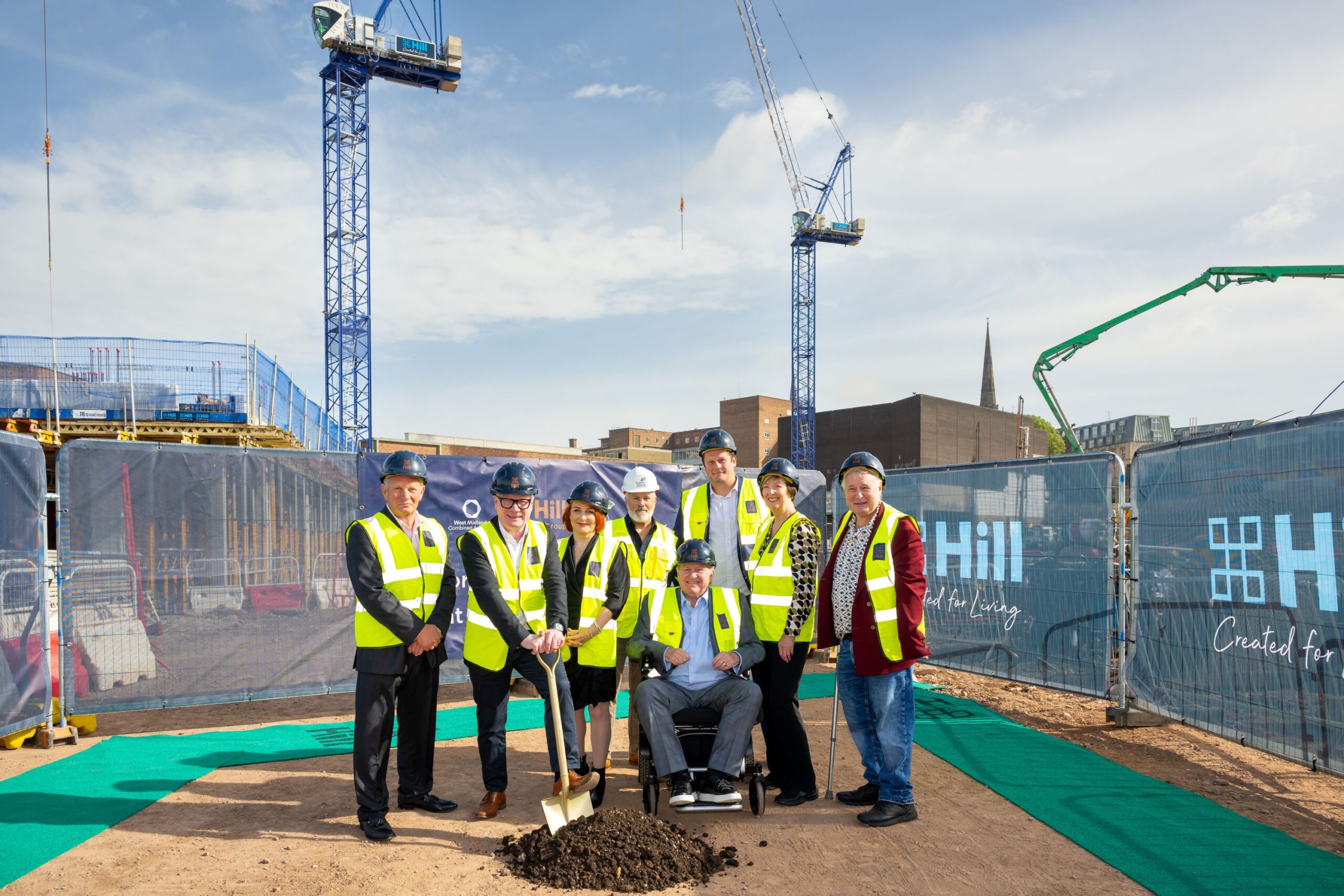
City Centre South reaches major milestone as first tower begins to rise
A major milestone has been reached at Coventry's transformational City Centre South regeneration project developed by The Hill Group, with the first tower now rising from the ground following the completion of demolition and extensive groundworks across the site....

New Forest District Council’s strategy puts prevention at the heart of tackling homelessness in the district
New Forest District Council (NFDC) has launched a strategy to prevent homelessness, support people at risk, and help residents find secure accommodation. The Homelessness and Rough Sleeping Strategy sets out NFDC’s priorities for tackling homelessness and...