
Spring statement 2025: A balancing act for the built Environment sector
Chancellor Rachel Reeves’ 2025 Spring Statement on March 26th built on the foundations laid in her Autumn budget, focusing on housing, infrastructure, and sustainability. While the ambitions are clear, these targets will remain out of reach unless the built environment sector receives relief from the financial pressures weighing it down. The £3.4 billion levy on […]

Mar 27, 2025
Chancellor Rachel Reeves’ 2025 Spring Statement on March 26th built on the foundations laid in her Autumn budget, focusing on housing, infrastructure, and sustainability. While the ambitions are clear, these targets will remain out of reach unless the built environment sector receives relief from the financial pressures weighing it down.
The £3.4 billion levy on new homes, designed to fund building safety remediation after Grenfell, raises serious concerns. While the intention is clear, this levy will hit developers hard—especially SMEs who are already struggling with rising material costs and regulatory pressures. If mishandled, this levy could delay projects, halt developments, or leave sites abandoned, worsening the housing shortage.
The government’s 10-year infrastructure strategy that includes funding for long-term sustainability projects is welcomed, but there’s cautious optimism in the air about how this money will be used. Without clear action and robust plans, this could be just another announcement that fails to deliver results on the ground.
The built environment sector is one of the largest employers, though the rise in National Insurance Contributions (NICs) to 15% is set to place further strain on our sector which needs to attract just under 251,500 workers by 2028 to maintain its current state – not to mention delivering long-term government ambitions.
Main contractors, subcontractors and material suppliers will feel the pinch of these increased costs, which could stifle the appetite to recruit and undermine the government’s “Get Britain Building” initiative through industry-invested skills hubs.
Labour’s election pledges aimed at housing reform and supporting construction growth are now facing the reality of new taxes and rising costs. For the sector to thrive, the government must balance spending pressures with real support, understanding and investment in the built environment. The sector’s future depends on the government’s ability to deliver on its promises—only then can we tackle housing shortages, meet government targets and build a sustainable future.
Related Posts
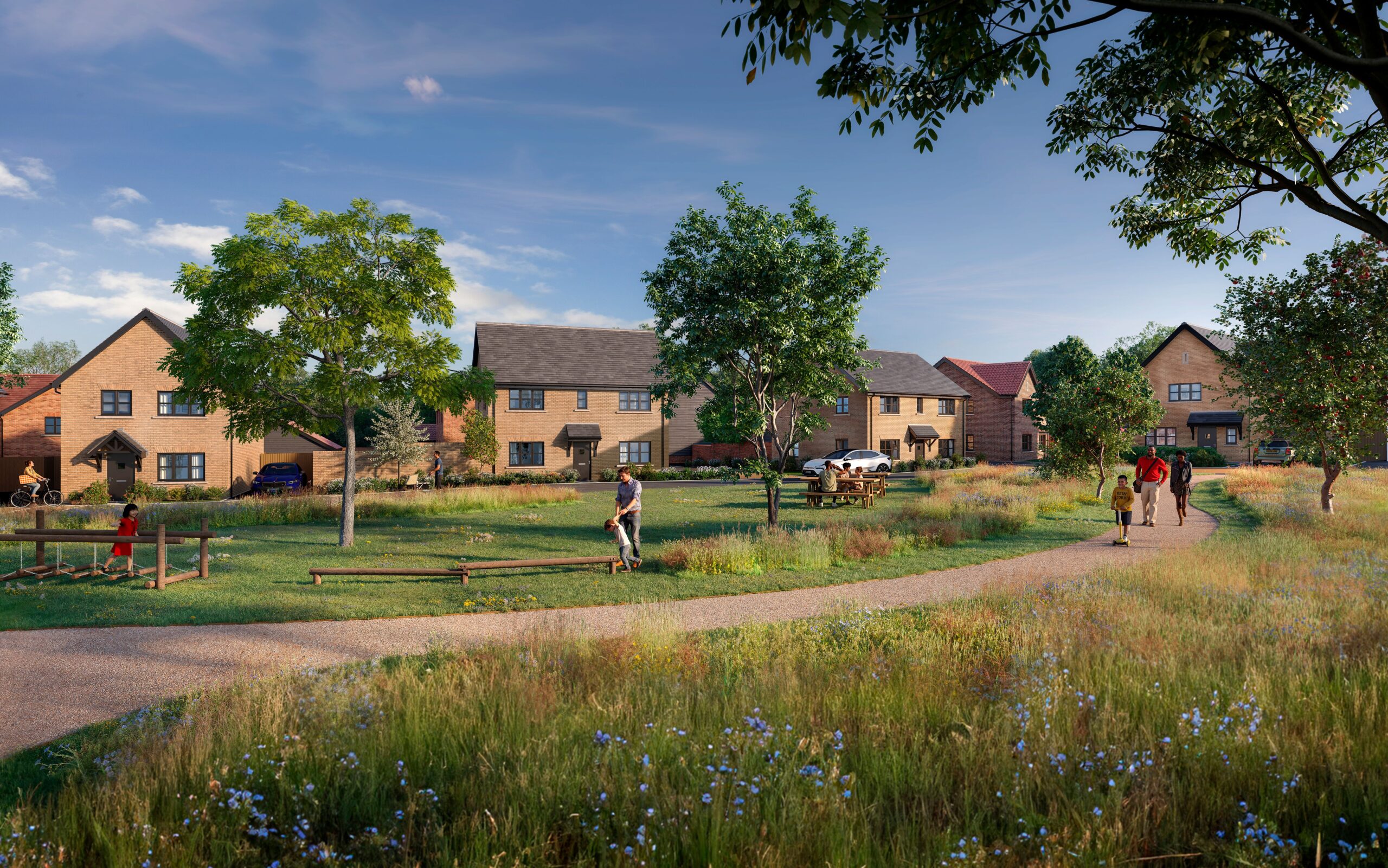
The Hill Group Achieves Hat Trick of Planning Successes Across the South East
Award-winning housebuilder The Hill Group has secured a hat trick of planning permissions across the South East, marking a significant milestone in the delivery of much-needed new homes across the region. Across three newly approved schemes in Essex, Oxfordshire and...
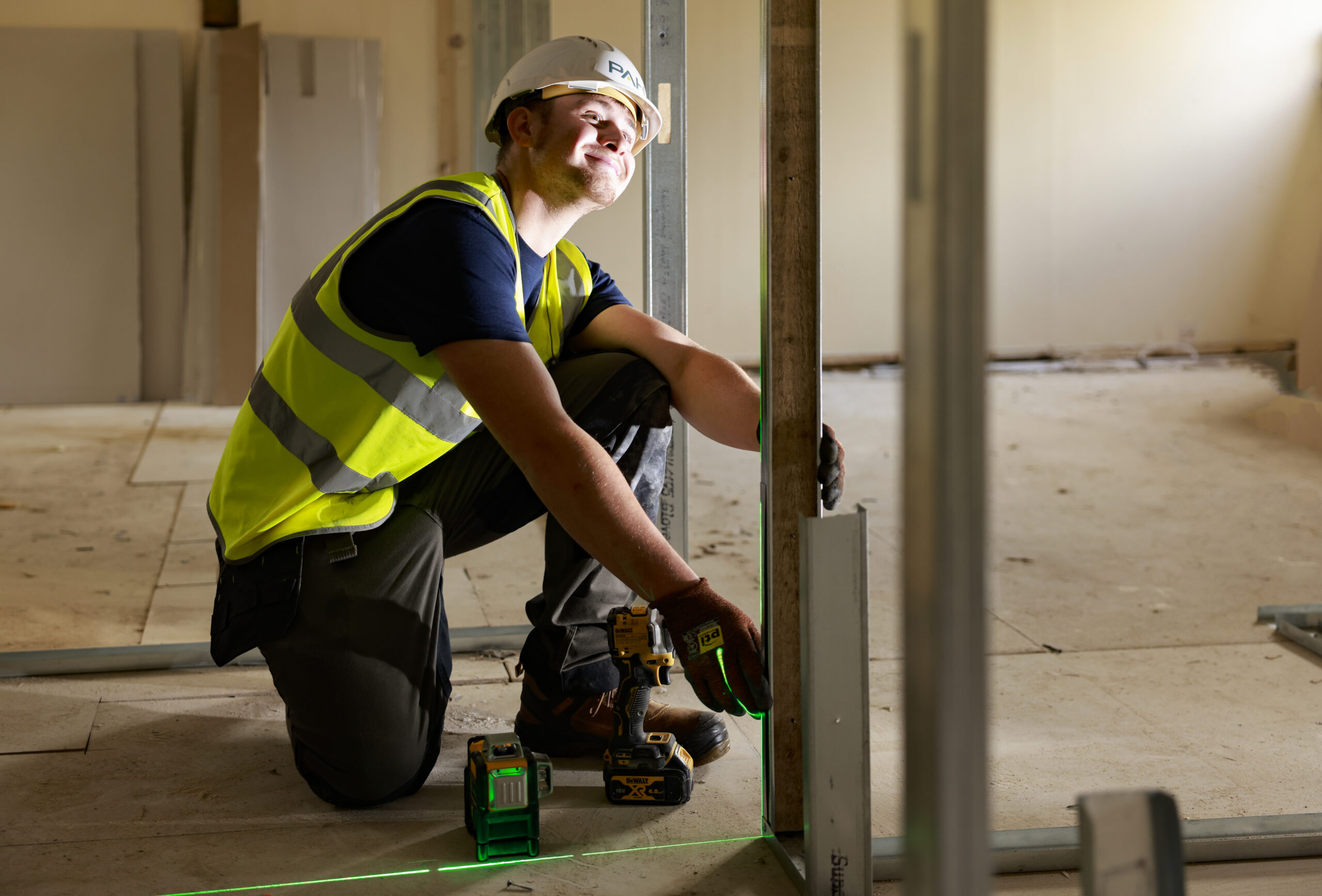
Hampshire construction firm charts record growth despite industry challenges
Hampshire-based construction firm, PAH Building & Construction, has already secured two thirds of its projected £18 million turnover for 2026, driven mainly by growth in its retrofitting and insurance work. This milestone has been achieved despite wider industry...
Perega appointed on major Horsham residential development
Engineering-led approach to deliver 183 houses and five apartment blocks within Taylor Wimpey’s Crawley masterplan. LONDON, UK - May 5th 2026 - Perega is tackling some of the South East’s toughest water neutrality requirements and fifteen metres of unstable made...