
Sexual Harassment and the Struggle to Retain Women in Construction
The construction industry remains one of the most male-dominated sectors in the United Kingdom. Despite ongoing recruitment efforts and high-profile campaigns aimed at inclusion, the latest figures show that women make up only 15% of the workforce, representing 340,000 employees out of a total exceeding two million. Yet, behind this modest increase lies a deeper […]
Aug 5, 2025
The construction industry remains one of the most male-dominated sectors in the United Kingdom. Despite ongoing recruitment efforts and high-profile campaigns aimed at inclusion, the latest figures show that women make up only 15% of the workforce, representing 340,000 employees out of a total exceeding two million. Yet, behind this modest increase lies a deeper crisis, one that threatens to drive women out of the industry more rapidly than they are entering it.
A new survey conducted by Unite the Union, released on 8 July 2025, exposes a harrowing reality for women working in construction. The findings are unequivocal. 31% of female construction workers reported being sexually assaulted at work. Even more alarming is the revelation that 17% have experienced sexual coercion, meaning they were pressured, manipulated or tricked into unwanted sexual activity.
The survey, part of Unite's Zero Tolerance to Sexual Harassment campaign, highlights a deeply concerning workplace culture. It found that 65% of women had endured unwanted flirting, gestures or sexual comments. 70% had been the target of sexually offensive jokes. Over half, 54% , had been inappropriately touched, and 4% reported having been shown or sent pornographic images by a manager, colleague or third party.
Even worse, 76% of those subjected to harassment never reported the incidents. Many cited fear of job loss, disbelief or retaliation as reasons for their silence. The consequences are devastating. Women are not merely silenced, they are being actively pushed out of the profession. One respondent said: “I was sexually harassed by my manager. I finally told the company owner, who said I did the right thing. He sacked me the next morning.”
The Worker Protection Act 2023 was intended to be a turning point. The legislation requires employers to actively prevent sexual harassment, even at work-related events such as conferences. However, Unite’s findings indicate that only 25% of women feel their employer has meaningfully implemented the law.
Unite’s National Women’s Officer, Alison Spencer-Scragg, said: “Employers are not taking their obligations seriously. This is creating a culture where sexual harassment goes unreported, and women are punished for speaking up.”
Unite is now campaigning for urgent reforms. These include the introduction of standalone sexual harassment policies, mandatory training for all employees, an extension of the employment tribunal claim deadline from three to six months, and for the Health and Safety Executive to treat sexual harassment as a workplace injury.
Beyond the issue of harassment, the construction industry continues to struggle with broader inequality that makes it difficult to support and retain women. Only 1% of the manual workforce is female. Just 9.2% of the highest-paid roles are held by women, while a disproportionate 29% occupy positions in the lowest-paid quartile. In leadership, women hold just 7% of line executive roles.
Research shows that 38% of female construction workers have never had a female manager. A fifth of women feel unable to return to senior roles following maternity leave. Furthermore, nearly 60% of employers still do not provide properly fitted personal protective equipment for women, posing safety risks and reinforcing a sense of exclusion.
Despite these obstacles, interest in construction careers remains strong among young women. A survey by Redrow PLC found that 66% of young women were either already working in, considering, or open to entering the construction sector. However, interest alone is not enough if retention is undermined by unsafe, inequitable and discriminatory environments. Unite’s General Secretary, Sharon Graham, said: “Nobody should suffer sexual harassment in the workplace. Every worker deserves a safe working environment and should feel able to report harassment.”
For a sector already facing chronic labour shortages and a growing skills gap, alienating half of the potential workforce is not just morally indefensible, it is economically reckless. Unite’s survey should serve as a wake-up call to employers, policymakers and industry leaders. With women now comprising a record number in construction, the time for cosmetic pledges is over. What is needed is systemic change, including a comprehensive reform of workplace culture, enforceable protections and genuine accountability. The message is clear. The construction industry must act decisively, or it risks losing the very women it is striving to attract.
Related Posts
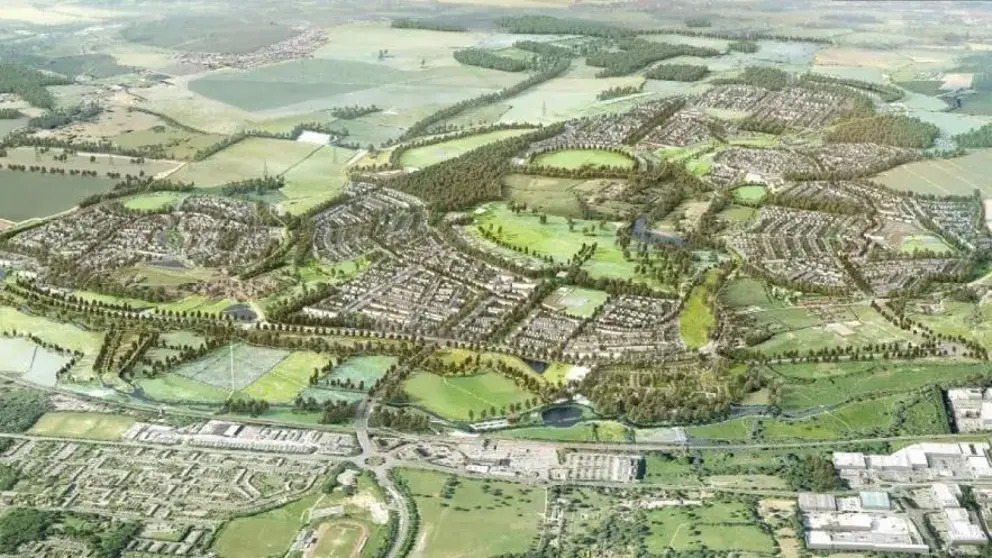
Shakespeare Martineau advises on landmark Barratt Redrow joint venture for 8,500 home garden town scheme
National law firm Shakespeare Martineau has advised Barratt Redrow on a major joint venture with Places for People to deliver one of the UK’s most ambitious new community developments. The scheme will create a pioneering garden town-style development in East...
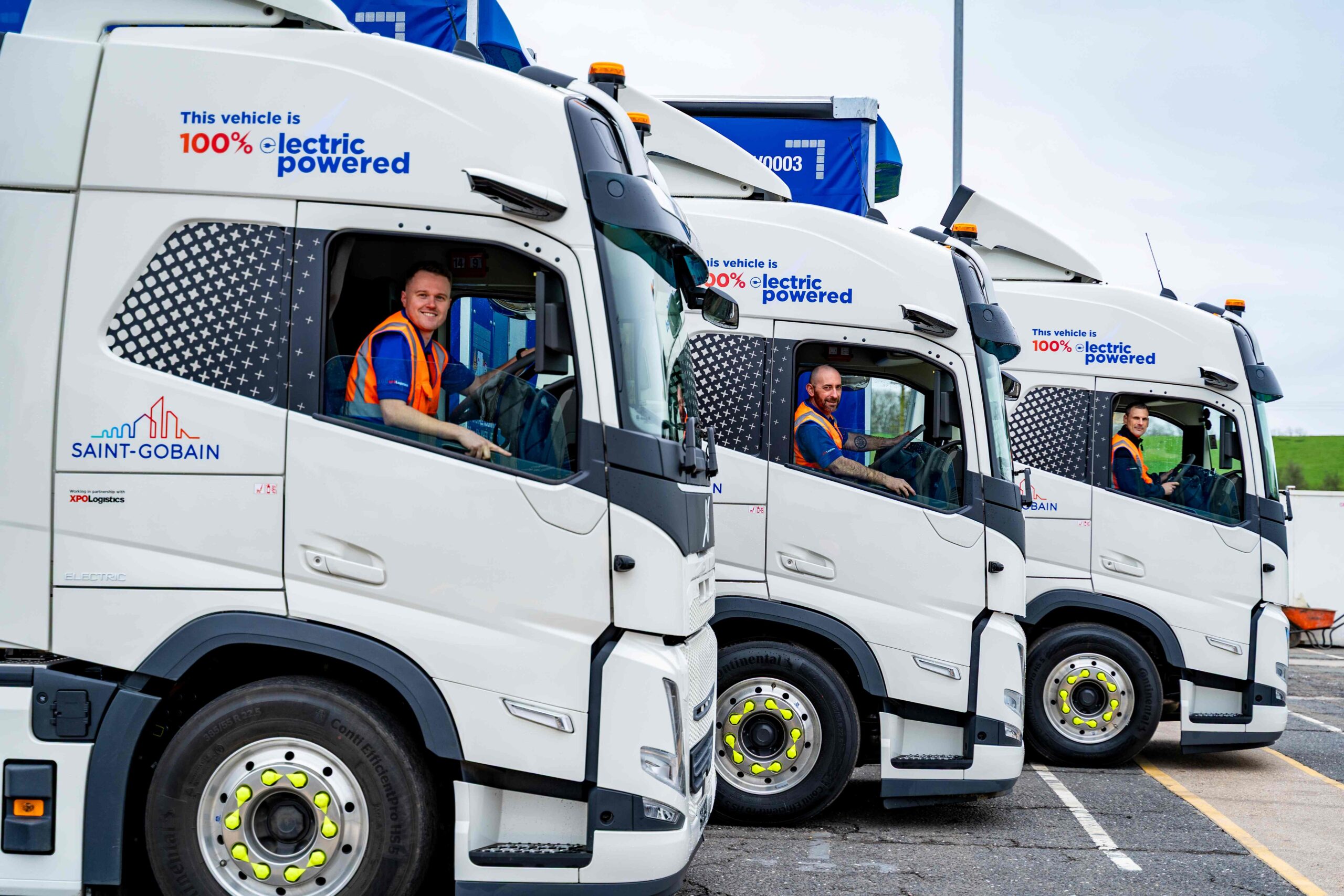
Saint-Gobain UK takes next step in zero-carbon logistics with full operational trial of six e-HGVs
Saint-Gobain UK has unveiled its next investment in its zero-carbon logistics delivery programme by unveiling six new fully electric HGVs and ‘back to base’ supercharging infrastructure at its midlands logistics hub in Nottinghamshire. 9th April, Nottinghamshire: The...

Candlelighters named Harron Homes’ Charity of the Year
Harron Homes Yorkshire has partnered with Candlelighters as its Charity of the Year for 2026, supporting the vital work the charity does for children with cancer and their families. Candlelighters was formed in 1976 to provide care for children with cancer in...