
SAFETY STANDARDS ARE ONLY HALF THE BATTLE, COMMUNICATION IS CRUCIAL
‘The Tower of Babel’ tells the story of a construction project to deliver a tower to reach the heavens, and save the people of Shinar from the coming flood. The project got off to a flying start, but as the deadline approached the number of workers grew until there were so many languages on site […]

Nov 15, 2018
‘The Tower of Babel’ tells the story of a construction project to deliver a tower to reach the heavens, and save the people of Shinar from the coming flood. The project got off to a flying start, but as the deadline approached the number of workers grew until there were so many languages on site that the workers were unable to understand each other, and the project collapsed in chaos. Arguably HR, IT and communications have moved on since the ambitious kingdom of Shimar folly, but there remains something curiously familiar about this story.
Migrant workers are over-represented in work-related accidents and this is an avoidable statistic. They are recognised by the HSE and the International Labour Association as a particularly vulnerable group in our labour force. An overlap of risks include language and cultural barriers, while anxieties around visa status and short-term contracts can cause workers to expose themselves to risk and avoid “making a fuss” when they are unclear of instructions. Research describes a culture of underreporting accidents among immigrant workers, which means that immigrant worker accident numbers could be artificially low.
Words can include or exclude. Research that was conducted over a four-month period at three large construction sites (with a multinational workforce of 300+ at each site) clearly demonstrates this. Our aim was to investigate how language barriers are negotiated at workplaces and what measures are in place to help non-native speakers navigate safety information at work.
At each workplace, migrant workers with good English were used as interpreters for low-level English speakers. The study found that site induction was often ineffective for low-level English speakers, and problematic for interpreters. Site induction varied over the four months depending on who was presenting it, and it was different at each site. More often than not site induction protocols are not adequately designed for the needs of low-level English speakers and the interpreters of today’s increasingly multicultural workforce. While the employers made efforts in good faith to overcome problems implicit in working with a multilingual workforce, we found that the approach was haphazard and unsystematic.
Site induction and toolbox talks are recognised as valuable opportunities to provide safety information, but how can we get the message across to low-level English speakers? We need to adapt our communication style to reach an international audience. “Migrant-friendly” English is effective, simple to use and will significantly improve safety on construction sites.
What does Migrant friendly English look like?
- Migrant-friendly English avoids verbs like “take out” and “blow up” and replaces them with “remove” and “explode” – Latin-based words are more common to a wide range of languages). In fact, a version of the word “explode” exists in 17 different European languages.
- It avoids contractions like “can’t” and “don’t” (use “cannot” and “do not”)
- It is about 30% slower than native-speaker speech
- It is composed of short sentences
Tips for employers:
- Adopt a best practice language system at work. Ensure all safety information and instruction is in “migrant-friendly” English.
- Provide free English language classes for long-term benefit.
There is a range of communication effectiveness across the industry, but what is needed is a fully standardized approach. There is expertise that can be applied simply and cost effectively. A best practice language system can be developed by every company. Communication is the key. Safety standards mean nothing if they are not effectively communicated. Workplaces are becoming safer for everyone. “Migrant-friendly” English is a very cost-effective step where a small investment has a big return on safety, wellness and productivity, and that’s good news for everyone.
By Kirsten McSharry of Inclusify
www.inclusify.eu
Related Posts
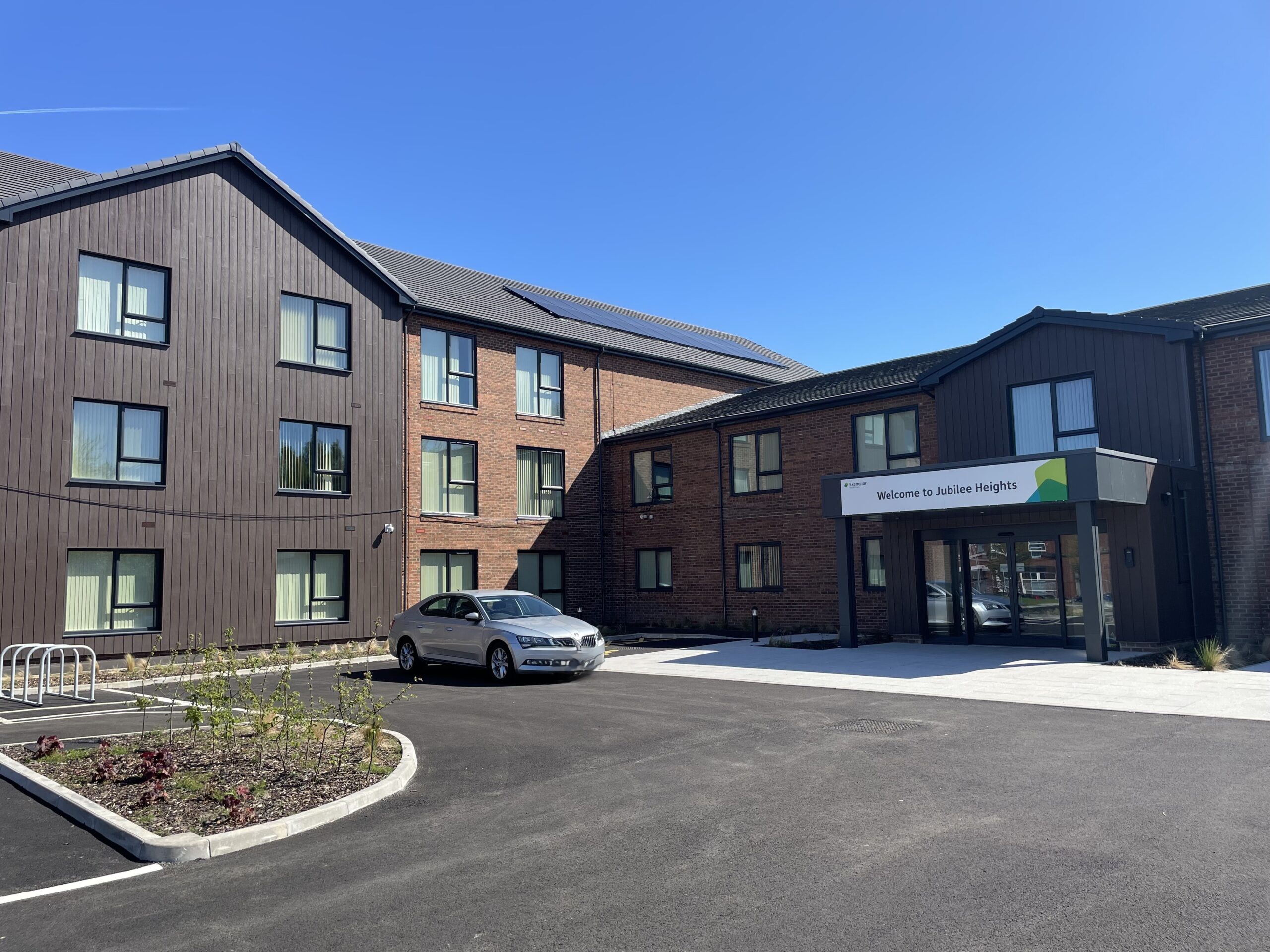
Firecrest Construction Completes 40 Bed Care Home For Exemplar Health Care
Firecrest Construction has successfully completed the complex delivery of a new 40 bed care home in Bury town centre for Exemplar Health Care. As principal contractor to the scheme, Firecrest delivered the job on budget and on time, handing over after 64 weeks...
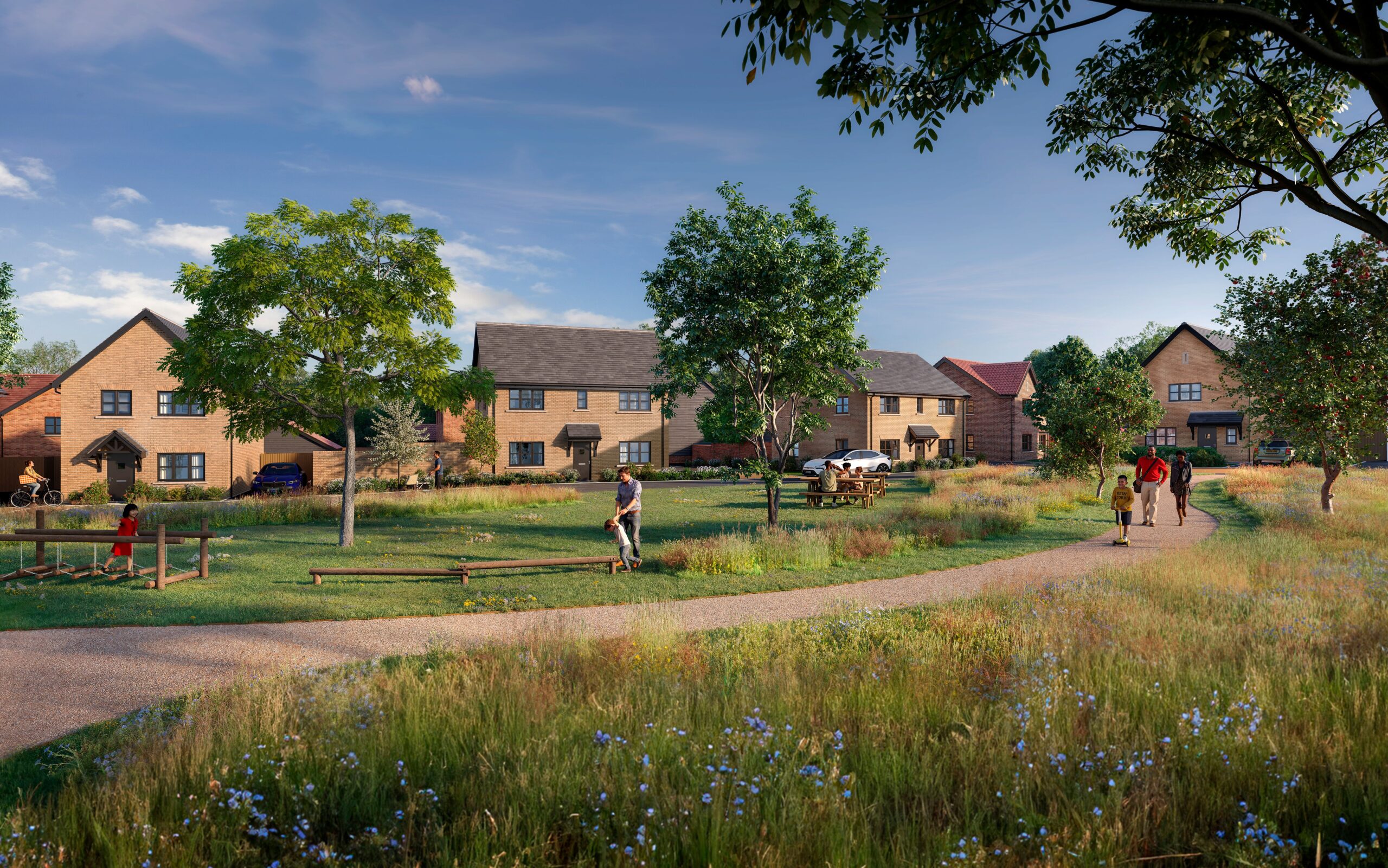
The Hill Group Achieves Hat Trick of Planning Successes Across the South East
Award-winning housebuilder The Hill Group has secured a hat trick of planning permissions across the South East, marking a significant milestone in the delivery of much-needed new homes across the region. Across three newly approved schemes in Essex, Oxfordshire and...
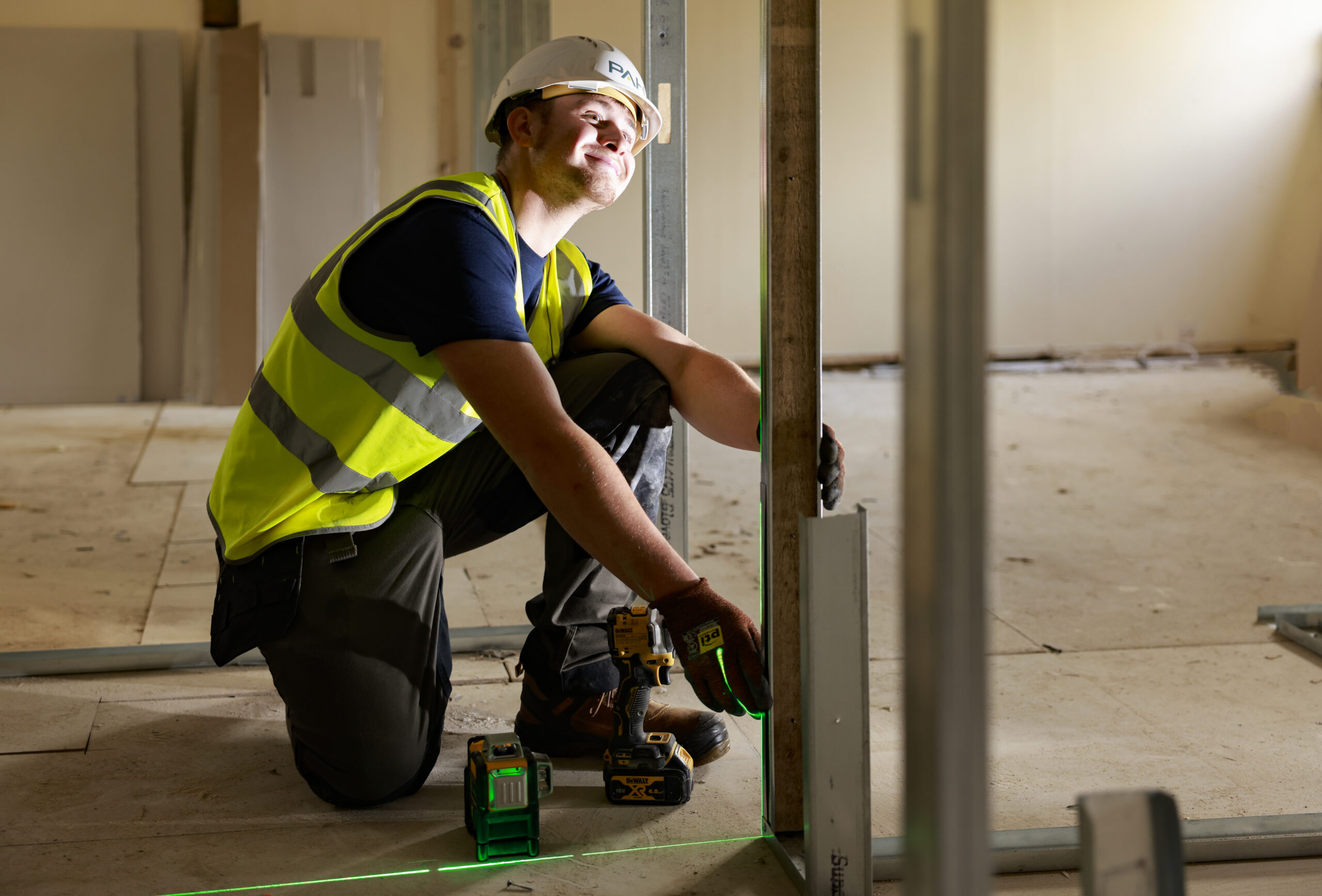
Hampshire construction firm charts record growth despite industry challenges
Hampshire-based construction firm, PAH Building & Construction, has already secured two thirds of its projected £18 million turnover for 2026, driven mainly by growth in its retrofitting and insurance work. This milestone has been achieved despite wider industry...