

The Transpennine Route Upgrade has reached a landmark stage, with a quarter of the seventy-mile main line between Manchester, Huddersfield, Leeds and York now electrified. This achievement marks a decisive step towards creating a faster, greener and more reliable railway for passengers and freight across the North of England.
The section between York and Church Fenton is now energised and carrying electric passenger trains, part of a programme that represents one of the most ambitious rail investments in the country. The electrification of this stretch was delivered on budget and ahead of schedule in several key areas, providing a glimpse of the long-term benefits the project promises.
James Richardson, Managing Director for the Transpennine Route Upgrade, said: “Electric trains running between York and Church Fenton is a significant step forward in the Transpennine Route Upgrade programme. We have reached a key milestone as 25 per cent of the route is now electrified, enabling greener, faster, and more reliable journeys between York, Leeds, Huddersfield, and Manchester in the future. The improvements are already bringing economic and social benefits along the route and wider communities across the North. It was fantastic to celebrate this with the TRU team, who have brought together all parts of the rail industry to deliver this success. We remain committed to delivering this transformative programme on time and on budget.”
The progress follows earlier electrification between Manchester and Stalybridge and brings the scheme closer to its ultimate goal of full route electrification. When the programme is complete, it is expected to reduce carbon emissions by as much as 108,000 tonnes each year. This will also enable more freight to be moved by rail, removing over 1,000 lorries from the busy trans-Pennine road network every day.
Chris Nutton, Major Projects and TRU Director at TransPennine Express, said: “This terrific achievement by the TRU programme shows what an exciting time it is for the railway in the North of England. This milestone will allow our bi-mode Nova 1 trains to utilise the electric wires between Church Fenton and York, delivering greener journeys to our customers and giving them a further glimpse of the future, as TRU continues to transform the railway between Manchester, Huddersfield, Leeds and York. A lot of work has gone into the delivery of this moment and I want to thank everyone involved for getting it over the line.”
Rob Warnes, Strategic Development Director for Northern, added: “This is a significant step forward for rail travel in the North. The electrification of the route, including the key stretch where Northern's trains are now running on electric power between Manchester and Stalybridge, brings us closer to delivering even faster, greener, and more reliable journeys for our customers.”
The Transpennine Route Upgrade is a £10.7 billion programme that aims to transform travel across the North. Its objectives include halving the time lost to delays, doubling tracks in key locations so express trains can overtake stoppers, introducing digital signalling to boost speed and capacity, and improving all twenty-three stations on the line to enhance accessibility.
The programme is also a major driver of economic growth. More than 5,000 staff are already working across seventy active sites along the route, with 85 per cent of the workforce drawn from within forty miles. At peak delivery, around 8,000 jobs are expected to be supported. Beyond employment, the scheme is creating lasting social value, including supporting regeneration around the new station at Ravensthorpe, which will unlock development for 4,000 new homes.
TRU is also expanding freight capacity with fifteen new freight paths and upgraded tunnels wide enough to carry modern shipping containers between east and west coast ports. By taking thousands of heavy goods vehicles off the roads, the scheme is delivering environmental as well as economic benefits.
The upgrade has already delivered major milestones, including a new station at Morley, a fully accessible platform at Castleford, £100 million of investment into diversionary routes, and the completion of the Hope Valley line upgrade, which has reduced bottlenecks with additional track and a new platform at Dore and Totley.
The electrification of the York to Church Fenton stretch is therefore much more than an isolated achievement. It is proof that one of the largest infrastructure programmes in the country is gathering pace, laying the foundations for a cleaner, faster and more resilient railway that will benefit both passengers and freight for generations to come.
Related Posts
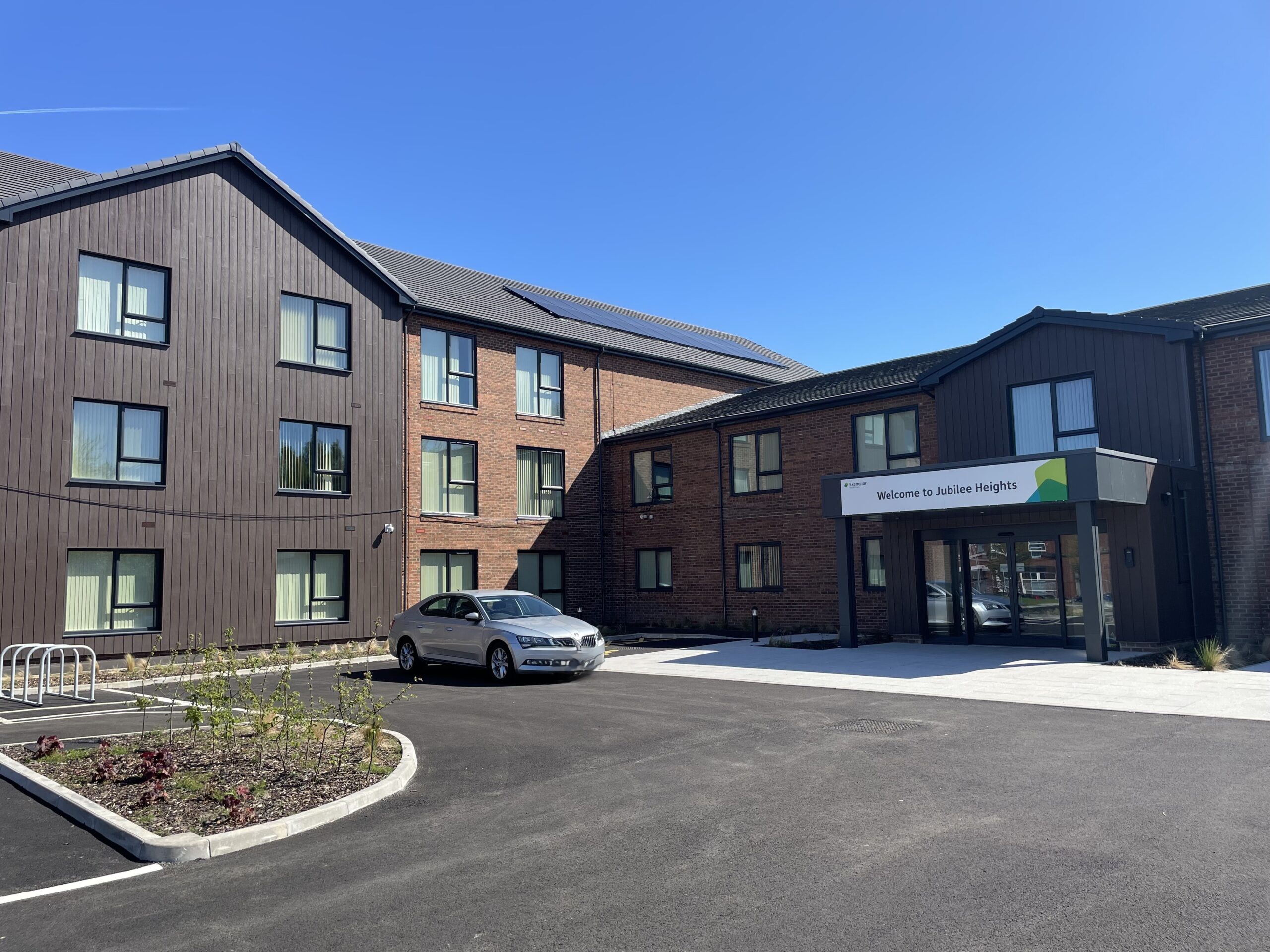
Firecrest Construction Completes 40 Bed Care Home For Exemplar Health Care
Firecrest Construction has successfully completed the complex delivery of a new 40 bed care home in Bury town centre for Exemplar Health Care. As principal contractor to the scheme, Firecrest delivered the job on budget and on time, handing over after 64 weeks...
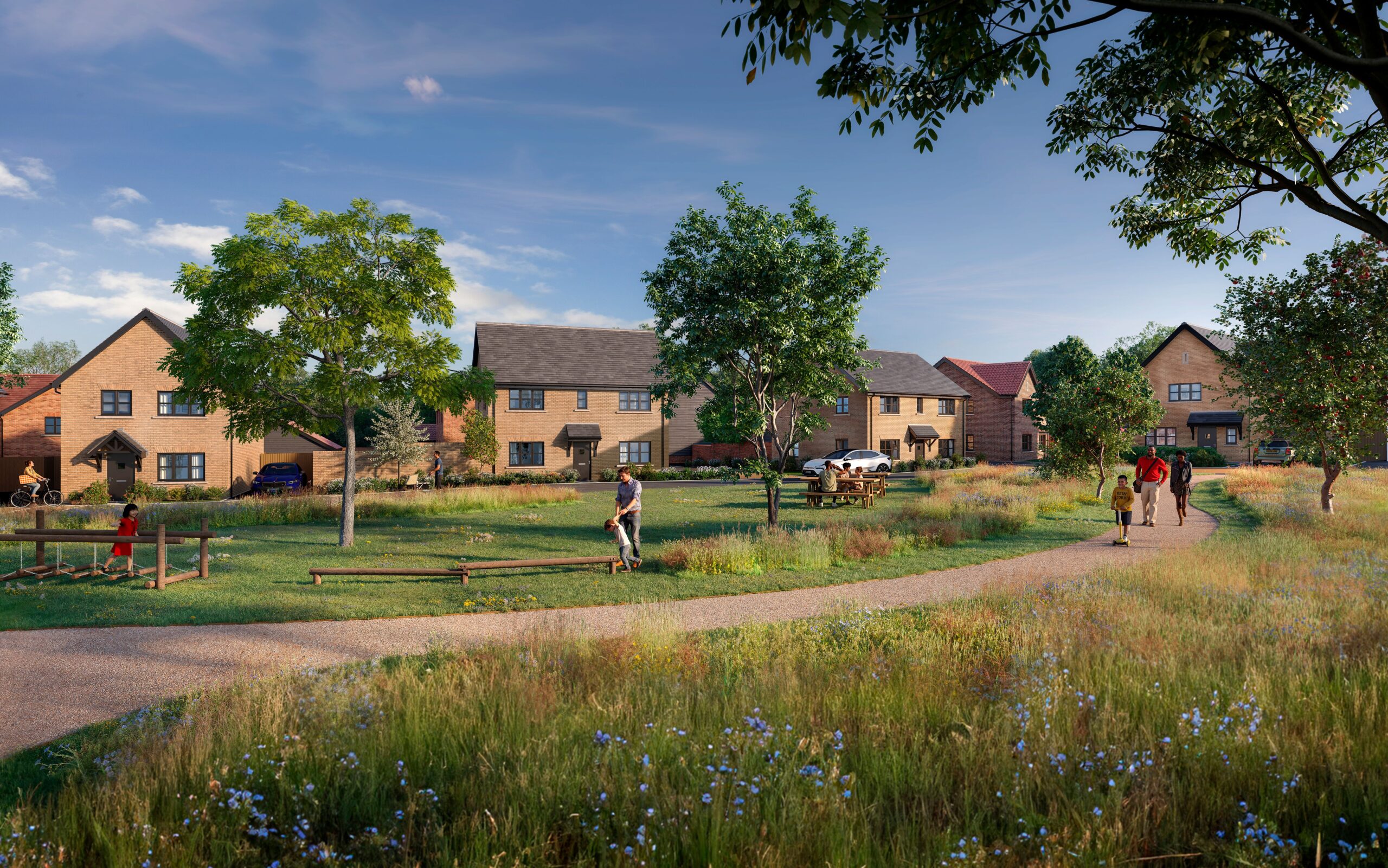
The Hill Group Achieves Hat Trick of Planning Successes Across the South East
Award-winning housebuilder The Hill Group has secured a hat trick of planning permissions across the South East, marking a significant milestone in the delivery of much-needed new homes across the region. Across three newly approved schemes in Essex, Oxfordshire and...
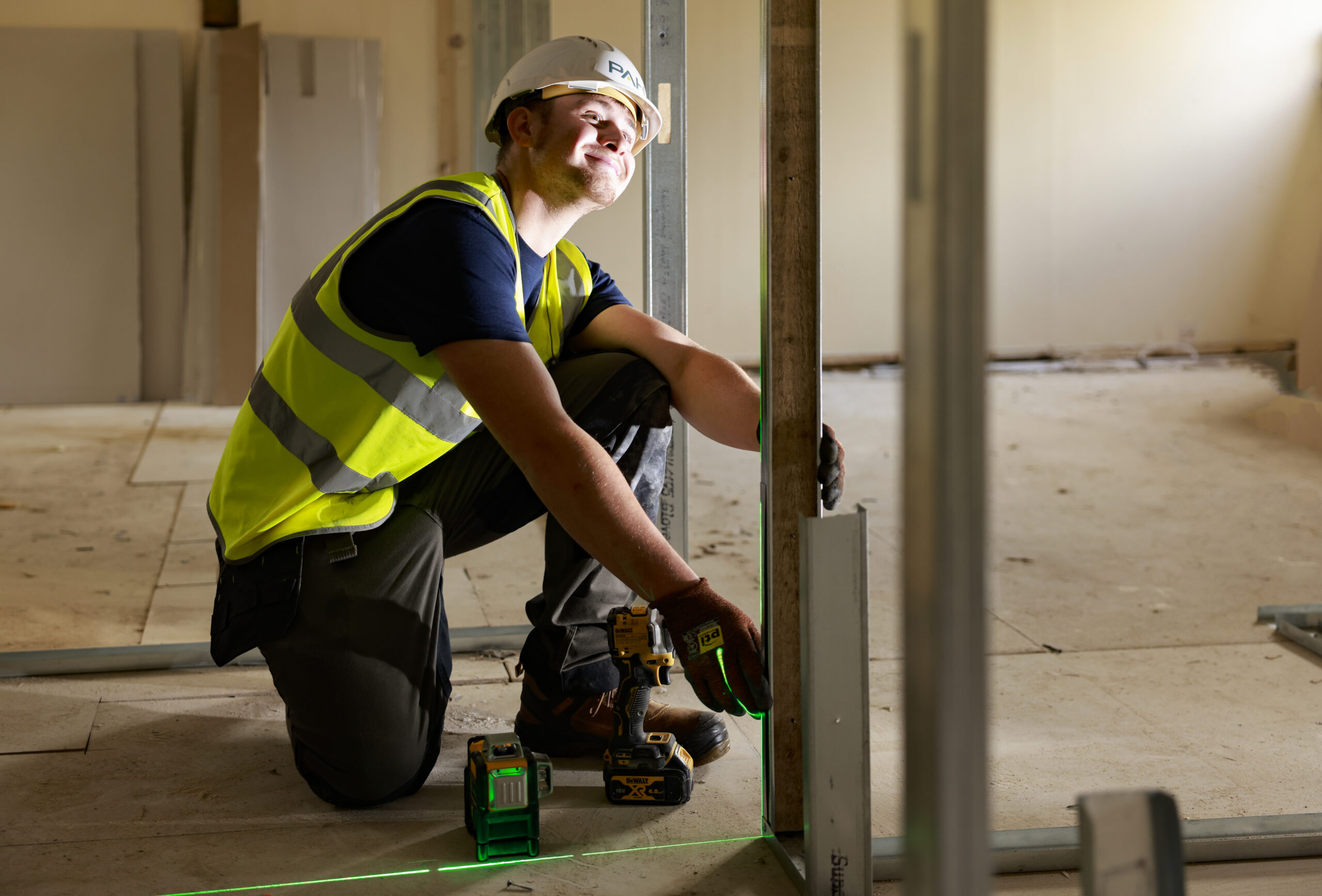
Hampshire construction firm charts record growth despite industry challenges
Hampshire-based construction firm, PAH Building & Construction, has already secured two thirds of its projected £18 million turnover for 2026, driven mainly by growth in its retrofitting and insurance work. This milestone has been achieved despite wider industry...