
Mysterious Site on Transpennine Route leaves Archaeologists digging for answers
Archaeological discoveries in Ravensthorpe have revealed a possible historic small settlement dating back to Roman times, with environmental samples being processed in order to learn the full extent of findings. For the Transpennine Route Upgrade (TRU) team, groundworks are an essential step in the delivery of upgrades across the route. In certain areas, such work […]

Jan 22, 2024
Archaeological discoveries in Ravensthorpe have revealed a possible historic small settlement dating back to Roman times, with environmental samples being processed in order to learn the full extent of findings.
For the Transpennine Route Upgrade (TRU) team, groundworks are an essential step in the delivery of upgrades across the route. In certain areas, such work means archaeological fieldwork is necessary in order to identify, understand and safeguard heritage assets that may be affected.
With TRU upgrades being carried out in West Yorkshire, archaeologists from Oxford Archaeology North took to multiple sites on our route in between Huddersfield and Dewsbury.
Excavations at Heaton Lodge and Thornhill Lees Farm produced more commonly found, industrial post-medieval archaeology in the form of earthworks and other minor finds, with no significant remains. It was the works in Ravensthorpe, though, that uncovered some archaeological mysteries.
Following initial work, further investigation of the site was required after the discovery of a large, irregularly shaped cropmark that was thought to be of a prehistoric date.
Last April saw a geophysical survey undertaken, which suggested that this feature was most probably an Iron Age or Romano-British enclosure, with it being hexagonal in shape and including internal penannular features.
An archaeological evaluation identified that the enclosure was fairly substantial in size, and was therefore subject to a strip, map and record towards the end of the year. Despite there being limited artefactual remains; a collection of Romano-British ceramics, ceramic building materials, flint, glass and animal bones were all recovered at the site.
Catherine O’Doherty, Site Supervisor, said: “We have a possible small-scale settlement with round house-like features and boundary ditches which yielded limited finds of a Roman date. This is interesting as sites such as this are limited in West Yorkshire, making this site an exciting discovery.”
Environmental samples collected at the site are now being processed for the recovery of further artefacts and ecofacts – this is seen as a key step in potentially being able to date the evidence and assist in developing the general understanding around the purpose the enclosure once served.
Related Posts
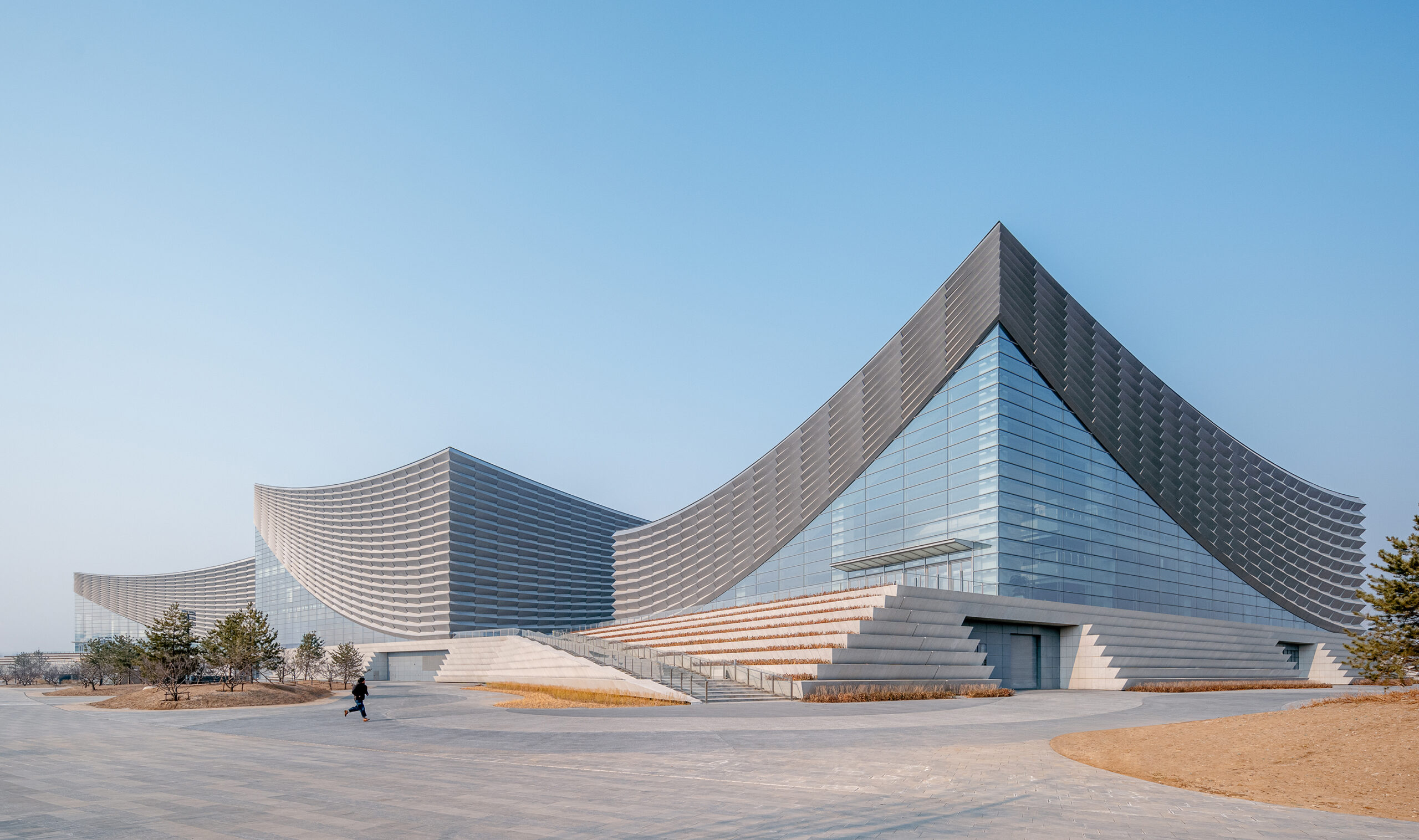
RIBA Announces 34 Winners Of The International Awards For Excellence
The Royal Institute of British Architects (RIBA) has today announced the 34 winning projects of the RIBA International Awards for Excellence 2026. Recognising inspiring architecture across 15 countries and four continents, this yearʼs cohort responds directly to...
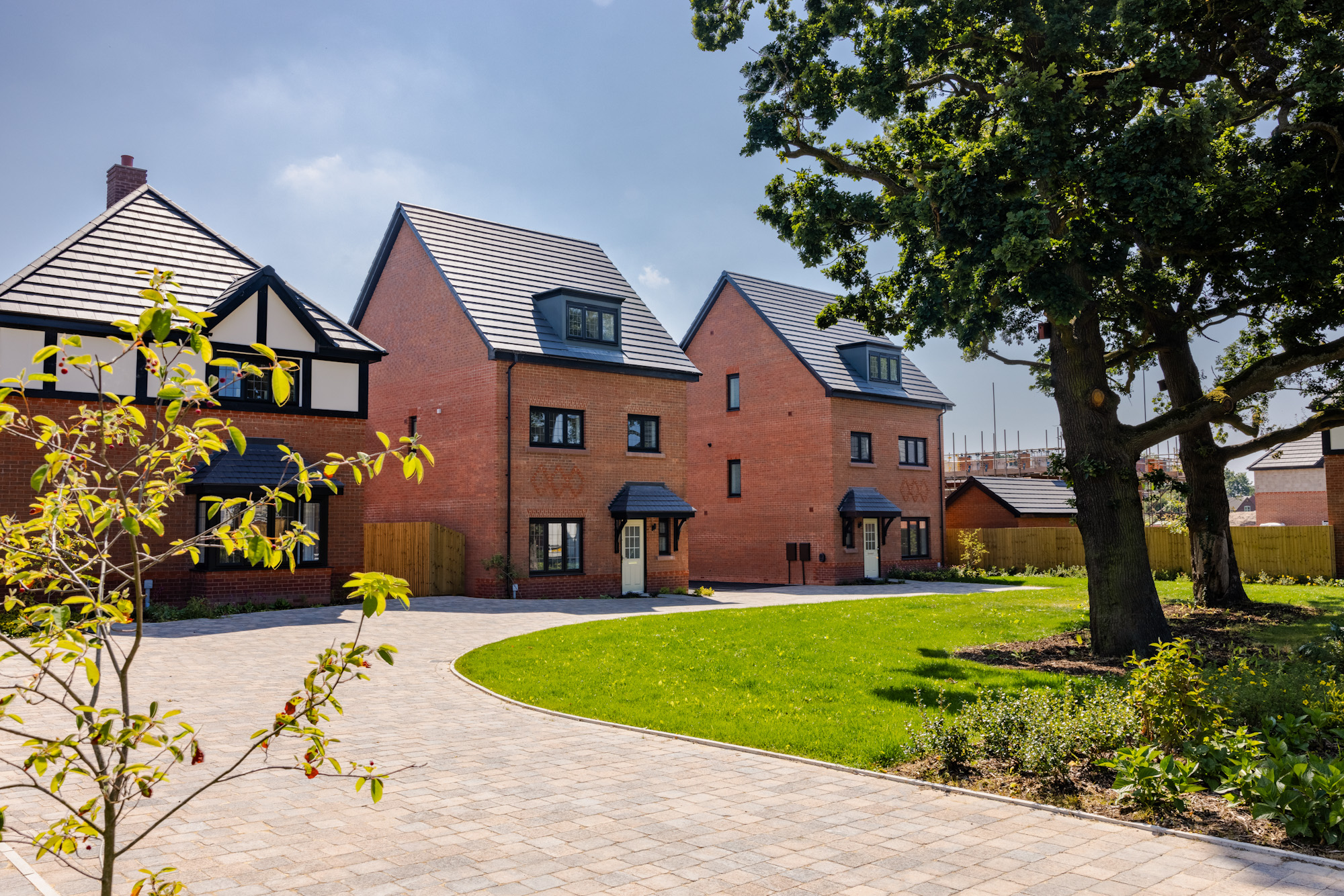
Anwyl Submits Plans For New Homes And Local Centre In Alsager
Plans to transform a former quarry site in Alsager into a new neighbourhood featuring homes and community facilities have been submitted. Anwyl Homes has lodged a hybrid planning application with Cheshire East Council for just over 54 acres of land at White Moss...
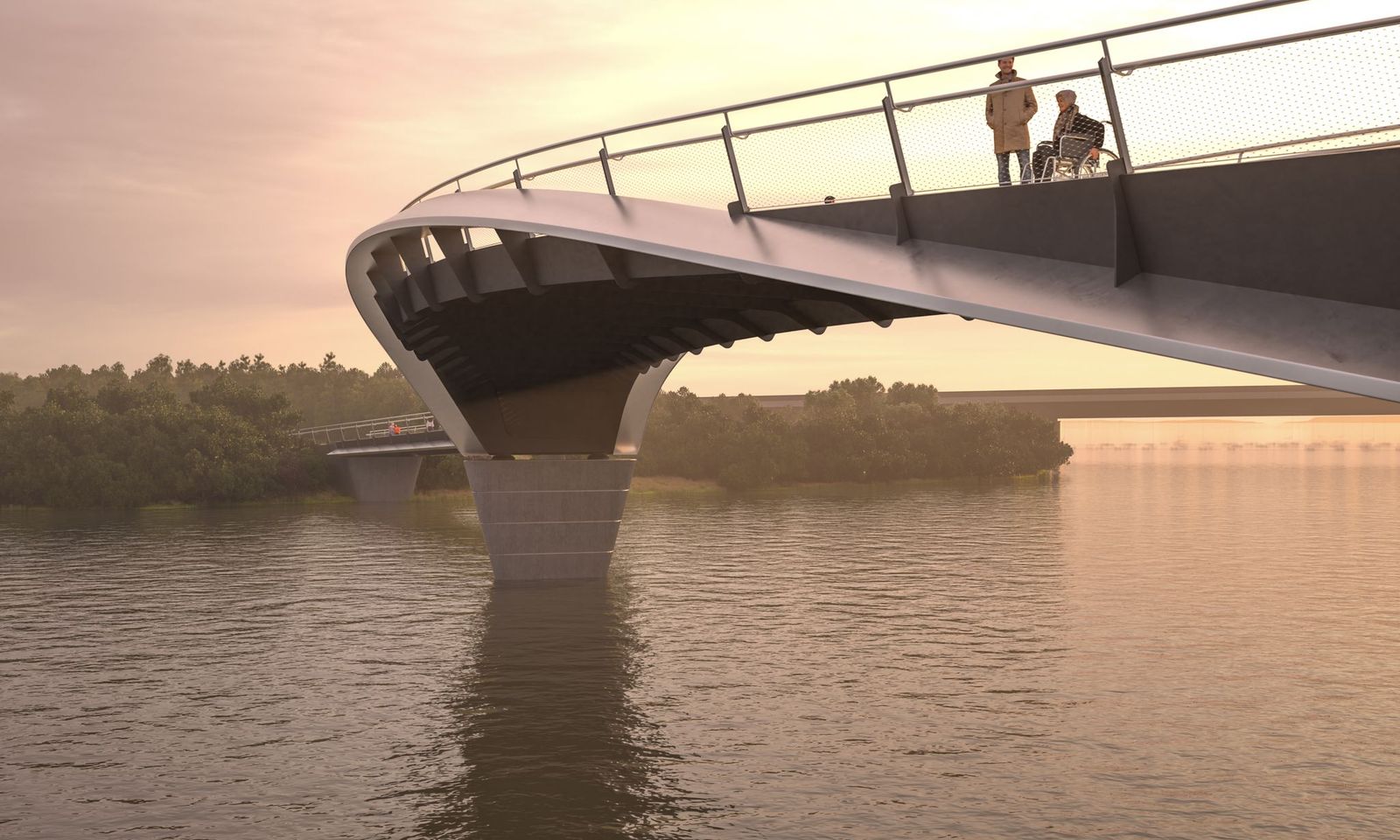
New active travel bridge for Cardiff by Moxon and Arcadis gets go-ahead
Moxon Architects and Arcadis have been granted planning approval for a new pedestrian and cycle bridge across the River Taff in Cardiff. The 165m-long bridge is part of Cardiff Council’s ambitious Channel View Estate regeneration scheme and will improve connectivity...