
How moisture can affect the health of buildings and their occupants
Moisture can accumulate within homes, workplaces, or properties in a variety of ways. The actual presence of moisture within buildings is inevitable, with two active people in a home estimated to produce over 13 litres of moisture per day. This moisture can come from breathing, boiling a kettle, showering, or drying clothes, for example. Moisture […]

May 25, 2022
Moisture can accumulate within homes, workplaces, or properties in a variety of ways. The actual presence of moisture within buildings is inevitable, with two active people in a home estimated to produce over 13 litres of moisture per day.
This moisture can come from breathing, boiling a kettle, showering, or drying clothes, for example. Moisture can also enter a building’s fabric in solid wall properties, for example from driving rain or building defects.
It's essential that any moisture which enters the building fabric has a way to escape through breathable or vapour permeable materials. Once moisture has accumulated within a property where it cannot escape, it can cause damp, mould, or condensation, which has the potential for property damage and a negative impact on occupant health.
This becomes even more significant when properties are made airtight, using insulation to minimise air leakage, or wasted energy without consideration for moisture build-up and how it can escape.
Health and safety concerns
The build-up of moisture in your property can cause various aesthetics to deteriorate, affecting your carpets and furniture, creating spots on your floors and walls, and even removing your plaster. However, these issues only scratch the surface of potential moisture problems.
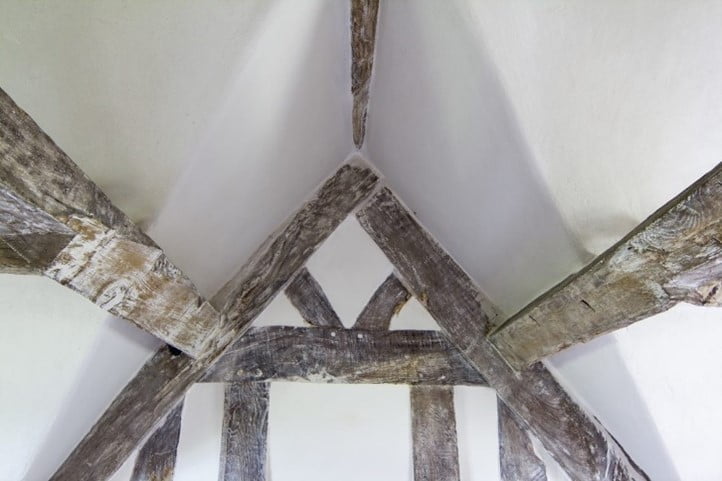
Excessive moisture within your property can create dampness that causes wood to rot. This moist environment is particularly subject to wet or dry rot, which should it be left untreated, can eat through your timbers.
This can create safety concerns, as rot weakens the overall structural integrity of your building. Dry rot is additionally often excluded by insurers on building policies, so understanding prevention is key to avoiding problems that are exacerbated by excessive moisture.
Moisture balance is an extremely important aspect of maintaining occupant health. Mould is able to occur in humidity levels over 80%, and once established, this can cause a range of negative health effects.
The NHS warns that damp and mould within properties has the potential to cause allergic reactions and trigger asthma attacks. If the occupants of a property are babies, children, the elderly, or those with respiratory conditions, living in a damp environment and exposure to mould spores is even more dangerous.
It's also not just our physical health that’s affected by living in these moist environments. A Brown University study reports a strong correlation between damp homes and depression in Europe. The study found a clear link between those who live in healthy homes and those who live healthy lives.
This highlights the importance of building properties that are able to achieve the correct moisture balance for the health and wellbeing of occupants.
Preventing moisture build-up
The first step of controlling moisture in a building is to look at how to reduce it, for example:
- Repairing any leaking gutters or burst pipes to cut off excess moisture at the source
- Ensuring effective ventilation
- Drying your clothes outdoors, or using a tumble dryer, where possible.
However, it’s crucial to consider moisture during the construction phase of a building, ensuring it’s supportive of occupant health from the outset. For healthy buildings that stand the test of time, it’s all about breathability.
Breathability
To encourage breathability, any older buildings that don’t have cavity walls and damp proof courses should use breathable materials. Some popular products, including gypsum plaster, hang onto water, which makes it difficult for moisture to pass through.
Impenetrable vapour barriers were thought to control condensation in properties until relatively recently. However, they’re now recognised to cause further problems, especially when retrofitted onto old, solid walls, as a large proportion of moisture comes in from driving rain and leaks.
Any resulting moisture can be driven inwards against a vapour barrier in sunny weather, causing build-up and eventual rot in joist ends and lintels.
Modern building standards are now considering moisture as an interactive issue. The British Standard for the Management of Moisture in Buildings has recognised moisture risks and now bans the use of dew point calculations for properties with solid walls. It also suggests breathability as a requirement for both sides of the wall.
This is a new regulatory approach to moisture, based on the way solid walls are intended to work. It moves beyond considering moisture problems as individual issues.
Real-word data
Research from Lime Green, in association with Archimetrics and the Society for the Protection of Ancient Building (SPAB), provides real-world data across a period of six-years to understand how moisture behaves inside insulated walls with an internal coating of breathable lime plaster. This promotes breathability whilst supporting insulation by using hydraulic lime and recycled aggregates.
Sensors monitored the inside of the breathable walls, logging data at five minute intervals for over six years. These findings uncovered that the measured wall got steadily drier, and no condensation occurred. Vapour from inside the wall was able to escape due to breathability, preventing moisture build-up.
This study demonstrates how lime promotes drying out in buildings, because it deals with water differently to other plasters. The pore structure of lime allows moisture to pass through harmlessly.
Additionally, should water build up, due to a leak or during periods of high rainfall for example, lime can buffer and store these high moisture levels until better drying out conditions occur. Lime additionally has high-alkaline properties, meaning it’s antibacterial, so your property can dry out naturally with less chance of mould or rot.
Due to its porous properties, lime enables water to pass through, releasing water instead of trapping it, to minimise moisture build-up. It ensures your building, and its inhabitants, remain healthy and it stands the test of time.

James Ayres is the co-founder and operations director of Lime Green Products Ltd
Related Posts
Firecrest Construction Completes 40 Bed Care Home For Exemplar Health Care
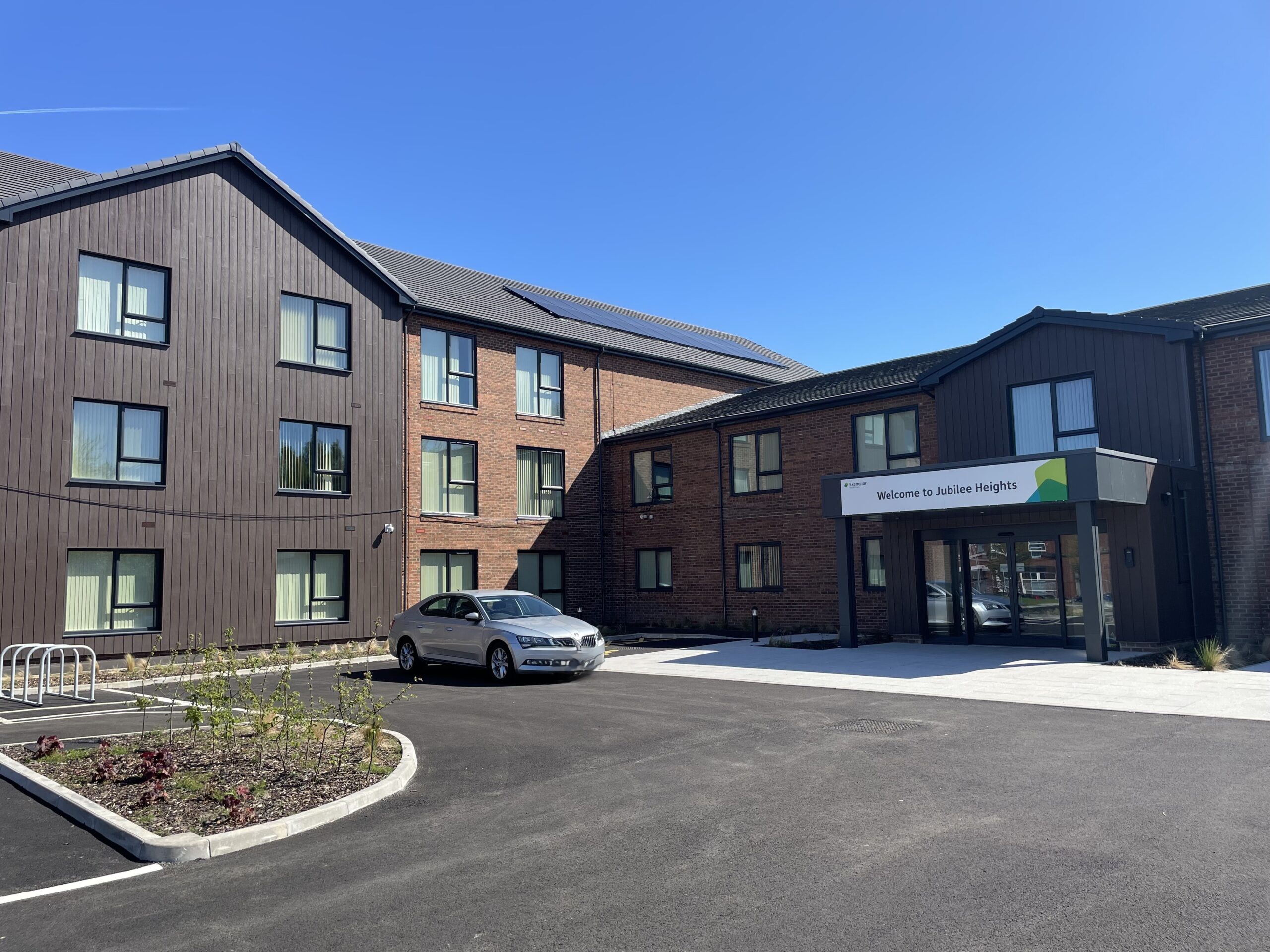
Firecrest Construction has successfully completed the complex delivery of a new 40 bed care home in Bury town centre for Exemplar Health Care. As principal contractor to the scheme, Firecrest delivered the job on budget and on time, handing over after 64 weeks...

The Hill Group Achieves Hat Trick of Planning Successes Across the South East
Award-winning housebuilder The Hill Group has secured a hat trick of planning permissions across the South East, marking a significant milestone in the delivery of much-needed new homes across the region. Across three newly approved schemes in Essex, Oxfordshire and...
Hampshire construction firm charts record growth despite industry challenges
Hampshire-based construction firm, PAH Building & Construction, has already secured two thirds of its projected £18 million turnover for 2026, driven mainly by growth in its retrofitting and insurance work. This milestone has been achieved despite wider industry...