
Historic Town Hall on course for reopening
The latest milestone in Manchester Town Hall’s once in a century restoration has come with the publication of a new council update report confirming a firm route to completion in spring 2027, alongside a revised budget position that takes the programme to an overall total of £524.8 million. For Manchester City Council, the update is […]

Jan 21, 2026
The latest milestone in Manchester Town Hall’s once in a century restoration has come with the publication of a new council update report confirming a firm route to completion in spring 2027, alongside a revised budget position that takes the programme to an overall total of £524.8 million.
For Manchester City Council, the update is framed as a move from uncertainty to delivery focus. The report sets out how the project team is now concentrating on completing the Town Hall interiors, with most external work described as complete and the removal of parts of the exterior scaffolding and the temporary roof giving the city a clearer view of the building’s condition as it is returned to Manchester.
The Our Town Hall programme covers the Grade One listed Victorian neo-Gothic landmark designed by Alfred Waterhouse, alongside the transformation of Albert Square and the wider civic quarter setting. The council describes the scheme as the largest and most complex heritage project undertaken in living memory anywhere in the UK, with the stated intent of safeguarding the building for future generations while expanding public access to its interior and collections.
Albert Square is already part of the story being told to the public. The council update points to the square being enlarged by 25% through pedestrianisation on three sides and notes that it has largely reopened, including use as a centrepiece of the city’s Christmas events. Manchester City Council This is not just a public realm scheme bolted onto a refurbishment. It is being positioned as the front door to the Town Hall’s return, with a setting designed to support events, footfall and surrounding businesses once the building reopens.
The revised timescales and budget reflect a combination of external pressures and project specific complexity. In its update, the council points to disruption from the Covid pandemic, wider economic volatility and industry inflation in labour and materials, alongside factors unique to heritage delivery such as specialist labour shortages and strict requirements for materials that must closely match those used in the original construction. Manchester City Council The report also highlights the ongoing discovery of construction challenges ranging from obstructions and quirks from the original Victorian build through to structural issues requiring design solutions before work can continue, with knock on impacts across multiple work packages.
One additional pressure the council draws attention to is supply chain stability. It notes that three contractors delivering work packages on the project went into administration in the six months prior to the report, and it describes how stone sourcing has created programme risk, including a situation where a quarry supplying approved stone advised it was ceasing bulk supply to the construction industry, triggering delay while an alternative source was found.
Against that backdrop, the council has set out the next financial decision point. The update states that a further £95 million will be required to overcome the final obstacles, taking the total cost to £524.8 million. The increase includes contingency funding to support completion in spring 2027. It adds that the council’s Executive was asked to approve the increase at its meeting in December 2025, with the funding expected to be met through borrowing and with no direct impact on services.
Delivery responsibilities sit across a broad team. Purcell is lead architect for the refurbishment, describing its role as bringing the building up to modern environmental, access and safety standards while transforming the visitor experience. Purcell references the restoration of key internal spaces including the Great Hall and its Ford Madox Brown murals, alongside extensive external repairs, the renewal of building services and improvements to accessibility and visitor experience.
Construction is being delivered through a partnership model with the council. Lendlease describes its role as delivering refurbishment and restoration across approximately twenty-two thousand six hundred square metres, including strip out and replacement of building services, roof replacement, stone cleaning and restoration, restoration of windows and interior elements, and the upgrade of Albert Square. Lendlease also sets out social value objectives including apprenticeships and jobs for Manchester residents, plus education and community activity. Lendlease Recent trade reporting on the programme has referred to Bovis Construction in the main contractor role within the wider delivery context, reflecting how large projects evolve over time as commercial structures and work packages change.
AtkinsRealis is part of the consultant team supporting Our Town Hall, and SimpsonHaugh’s related civic quarter work includes the earlier Town Hall Extension transformation, a completed project that increased office capacity and created more active public spaces while improving service delivery and links to the Central Library.
One of the most tangible outcomes the council highlights is local economic impact. The update states that more than 57% of project spend has gone to Manchester businesses against an original target of 40%, and that 45% of the workforce live in the city against a target of 30%. It also reports the creation of three hundred and thirty jobs and one hundred and seventy-seven apprenticeships, with one hundred and sixteen apprenticeships going to Manchester residents.
Looking ahead, the reopening proposition is being shaped around access and interpretation, not simply ceremonial function. The council confirms that when the building reopens it will include a new free public attraction called The Town Hall Story, designed to bring the building’s history and role in city life to a wider audience. It also references plans for hard hat tours and a cultural programme to mark milestones as completion approaches.
Deputy Council Leader Councillor Garry Bridges sums up the council’s position in the update, saying the team is now “on a confident path to completion in spring 2027”. Manchester City Council The statement sits at the centre of what the latest report is trying to achieve: to acknowledge the frustration around time and cost, while presenting a clear delivery route for one of Manchester’s most important civic assets.
Written By: Lee-john Ryan
Sponsored Advert

Related Posts
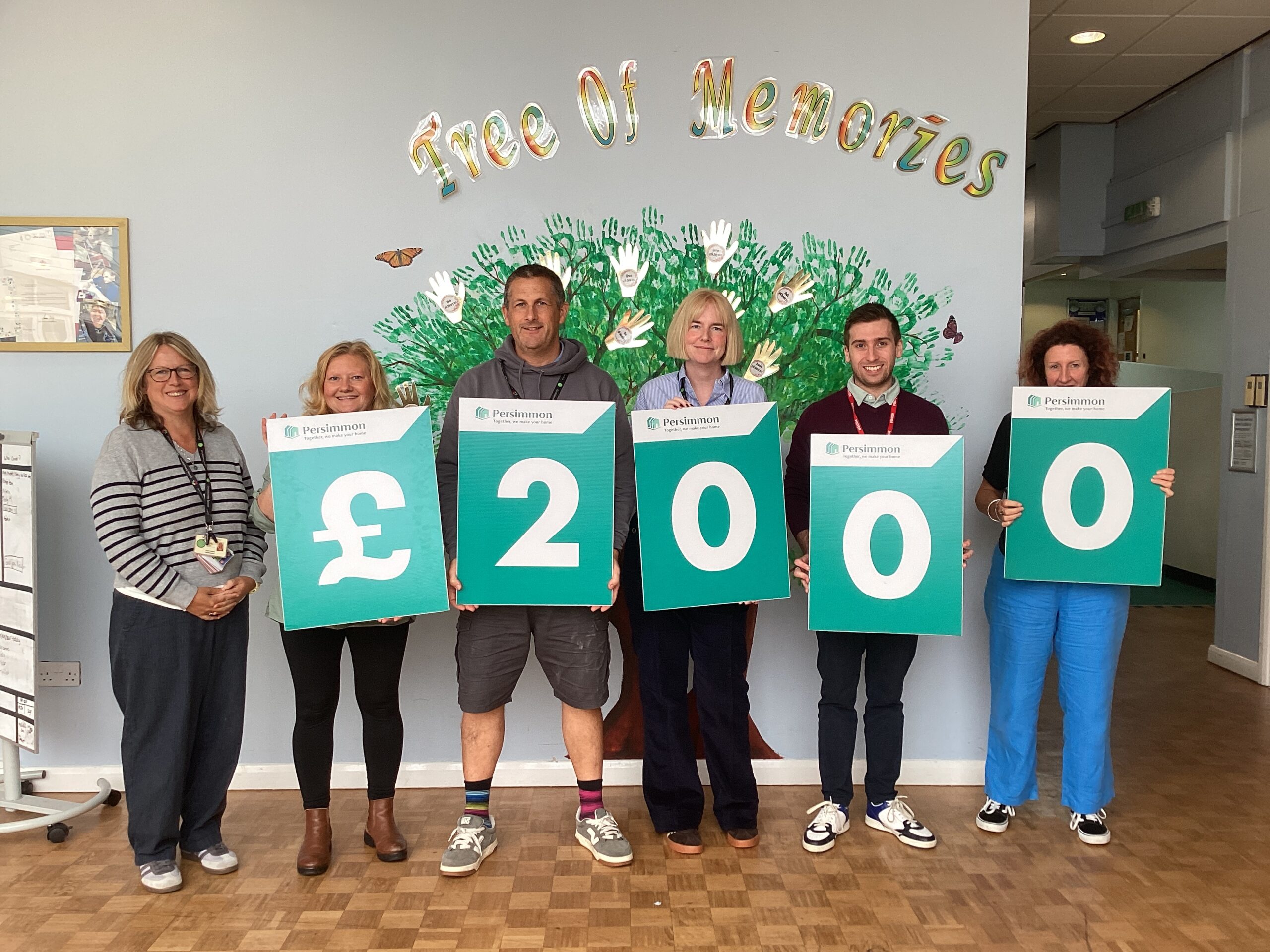
Developer shows support for St Austell school
Cornwall’s biggest housebuilder has donated £2,000 to supporters of a special school near St Austell. The donation from Persimmon Homes to Friends of Doubletrees School in St Blazey comes from the developer’s Community Champions programme that sees £700,000 donated to...
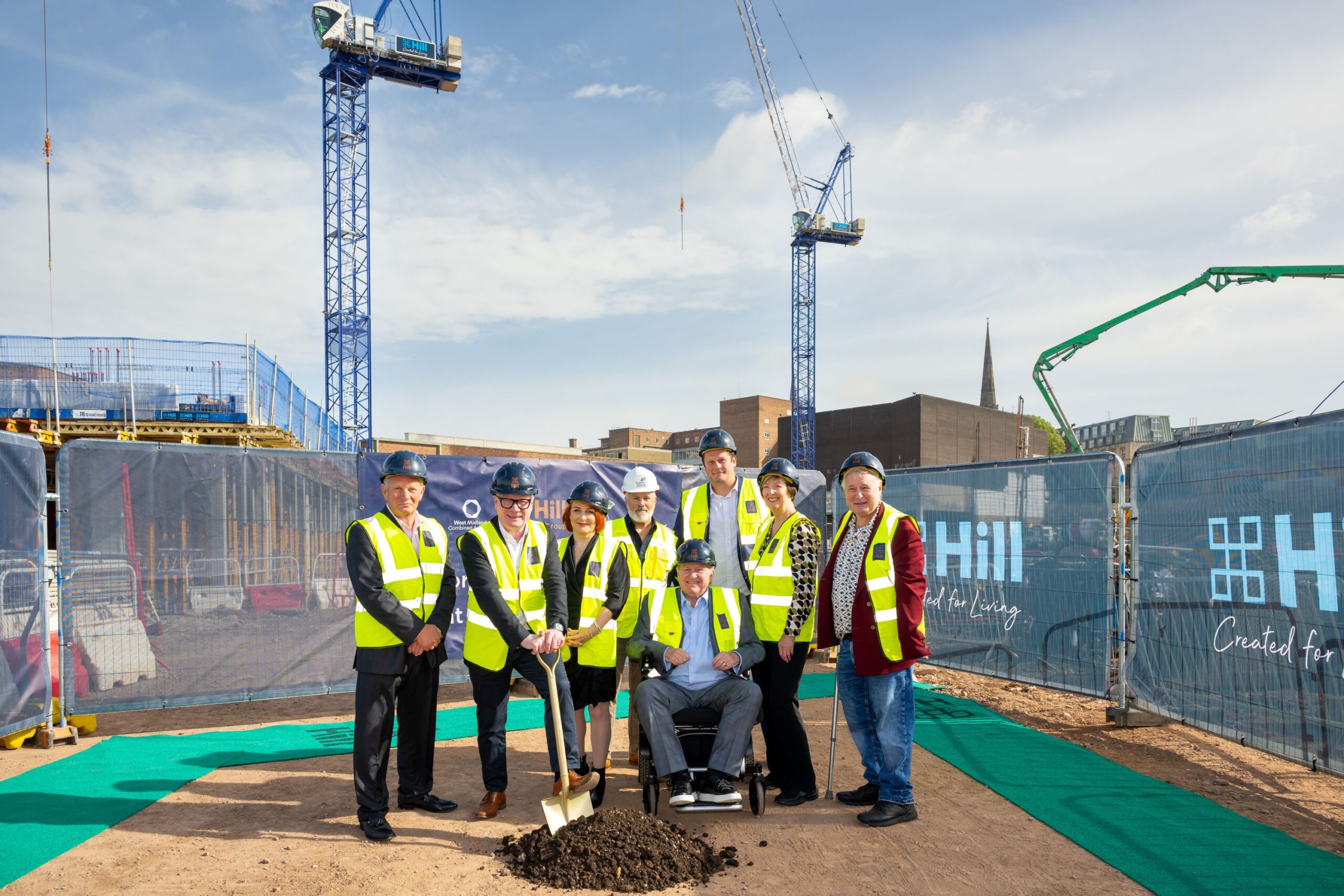
City Centre South reaches major milestone as first tower begins to rise
A major milestone has been reached at Coventry's transformational City Centre South regeneration project developed by The Hill Group, with the first tower now rising from the ground following the completion of demolition and extensive groundworks across the site....

New Forest District Council’s strategy puts prevention at the heart of tackling homelessness in the district
New Forest District Council (NFDC) has launched a strategy to prevent homelessness, support people at risk, and help residents find secure accommodation. The Homelessness and Rough Sleeping Strategy sets out NFDC’s priorities for tackling homelessness and...