
From Coal Landmark to Fusion
West Burton has always been a place where Britain’s energy story feels real. For decades, the power stations along the River Trent made this stretch of the East Midlands one of the country’s most important electricity corridors, often referred to as Megawatt Valley. West Burton A, commissioned in the 1960s, became part of that backbone, […]

Jan 19, 2026
West Burton has always been a place where Britain’s energy story feels real. For decades, the power stations along the River Trent made this stretch of the East Midlands one of the country’s most important electricity corridors, often referred to as Megawatt Valley. West Burton A, commissioned in the 1960s, became part of that backbone, supplying the grid at scale and helping to keep homes and industry running through successive generations. Now, as coal closes its chapter here, the same site is being lined up for one of the UK’s most ambitious energy projects, a prototype fusion power plant under the STEP programme.
The historic significance of West Burton is layered. Long before turbines and cooling towers, the area held earlier traces of settlement, including a scheduled medieval village and chapel site within the wider estate. That matters because the story of West Burton is not only industrial, it is also archaeological and cultural. Even within the industrial period, West Burton A carried a recognisable architectural presence. Power stations were rarely built to be admired, but West Burton was noted for design choices intended to reduce visual impact and better integrate the station into the Trent Valley landscape. It even received a Civic Trust Award in 1968, a reminder that infrastructure can hold heritage value in its own right.
West Burton A generated electricity until 31 March 2023, completing close to 60 years of service. Its closure sits within the wider national shift away from coal. The decommissioning and demolition programme that follows is part of a broader reshaping of this corridor, where familiar silhouettes are coming down as new uses for energy land take shape. West Burton is not being treated as a blank slate though. It is being positioned as a continuity site, a place that powered the nation in one era and could underpin a low-carbon era in the next.
That future is being driven by STEP Fusion, short for Spherical Tokamak for Energy Production. Led by the UK Atomic Energy Authority and delivered through UK Industrial Fusion Solutions, the programme aims to design and build a prototype fusion energy plant capable of demonstrating a practical route to commercial fusion. West Burton was selected in October 2022 following a national site search. The target is for the plant to be operating by 2040, with project development now moving into a more defined planning phase. STEP Fusion has announced that its non-statutory consultation as part of the Development Consent Order process will begin in January 2026, ahead of further consultation and consenting activity later in the decade. Construction is currently anticipated around 2030, subject to consent.
Fusion is often summarised in big promises, but the STEP programme is framed around specific engineering outcomes. The prototype is intended to demonstrate net energy gain, develop maintainable power plant systems, and move towards fuel self-sufficiency by breeding tritium within the plant. In simple terms, it is designed to push fusion beyond laboratory demonstration and towards something that looks and behaves more like a working energy facility, with the operability and maintainability any future grid-connected plant would require.
The challenge for West Burton is not only technical. It is also about managing sustainable development on land that holds protected heritage features and a strong industrial identity. That is where the partnership with Historic England becomes relevant. STEP Fusion and Historic England have signed a Memorandum of Understanding to collaborate through design and planning, with a stated ambition to respect the site’s historic character and natural environment alongside its future role. For a project of this scale, heritage involvement early in the process can shape practical decisions on layout, mitigation, interpretation, and the protection of scheduled features.
Claudia Kenyatta, Co-CEO of Historic England added: “We’re delighted to be working with STEP Fusion to help shape a future for West Burton and support our shared heritage whilst moving forward to an exciting new era for the site. This MoU demonstrates our shared commitment to the distinctive historic environment and the long history of energy production in North Nottinghamshire.”
Paul Methven CEO and Responsible Officer for STEP Fusion said: “West Burton has powered Britain for generations, and now it will help shape the future of sustainable energy. Our ambition is to build a world-first fusion prototype while respecting the character of this remarkable site in North Nottinghamshire. By working with partners like Historic England and engaging local communities, we’re ensuring that progress here honours the past and creates lasting opportunities for the region in the future.”
For local communities, the shift From fossil for fusion is a major change, but it also carries a sense of continuity. The region has a long workforce tradition in power generation and associated engineering, and the STEP programme is positioning itself as a catalyst for skills development and economic growth. Estimates and projections vary, but reporting around the project has pointed to significant job creation during peak delivery and a long-term employment base spanning science, engineering, construction, security, logistics, facilities management, and professional services. What matters locally is that this is not being framed as a short burst of work. It is being presented as a multi-decade opportunity linked to training pathways, apprenticeships, and partnerships between local authorities, colleges, and the project team.
Community engagement is already visible. The Fusion Energy Café in Worksop was created as a local point of contact to explain what fusion is, share progress updates, and gather public questions. This sits alongside consultation plans tied to the Development Consent Order route. Public exhibitions across nearby towns and villages are expected to form part of the next phase, reflecting the scale of change the project may bring, from construction impacts and transport planning to long-term site operations.
For industry, the implications are twofold. First, supply chain opportunities are likely to extend beyond specialist fusion components into more familiar contract spaces, enabling local and regional firms to compete for packages across civils, buildings, MEP, security, maintenance, and site services. Second, STEP has the potential to anchor a wider cluster effect, encouraging investment in adjacent manufacturing capacity, research partnerships, and training provision. The region’s advantage is that energy infrastructure is already part of its working identity.
West Burton’s transformation is not simply a story of replacement. It is about how a legacy energy site can evolve while recognising what came before, from medieval remains to mid-century engineering, and how a new generation of advanced energy development can work alongside heritage, landscape, and community expectations. If STEP meets its milestones, West Burton could move from a symbol of the UK’s coal past to a proving ground for a future energy technology, on a site that has been powering Britain in one form or another for generations.
Written by: Lee-John Ryan.
Sponsored Advert

Related Posts
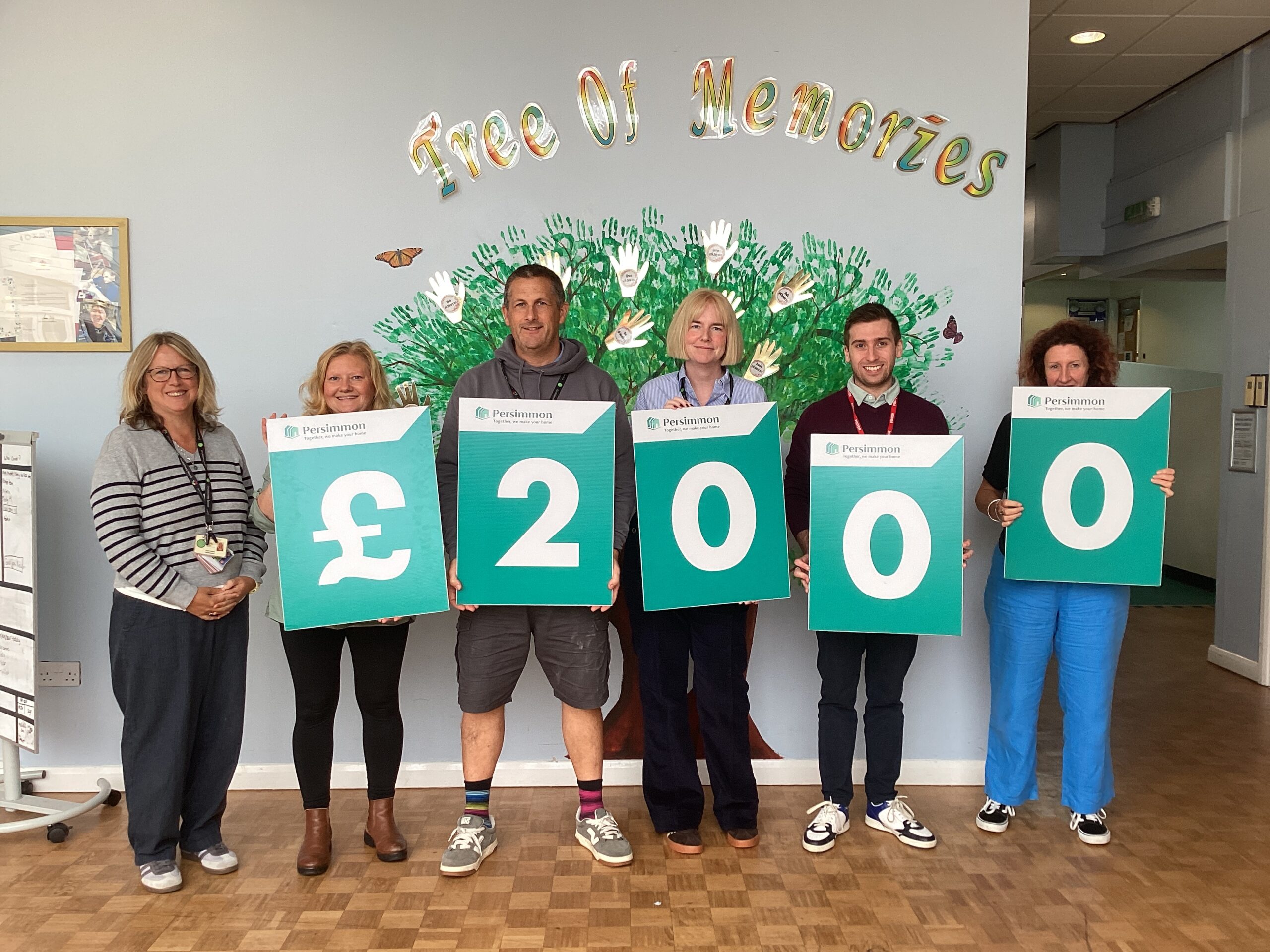
Developer shows support for St Austell school
Cornwall’s biggest housebuilder has donated £2,000 to supporters of a special school near St Austell. The donation from Persimmon Homes to Friends of Doubletrees School in St Blazey comes from the developer’s Community Champions programme that sees £700,000 donated to...
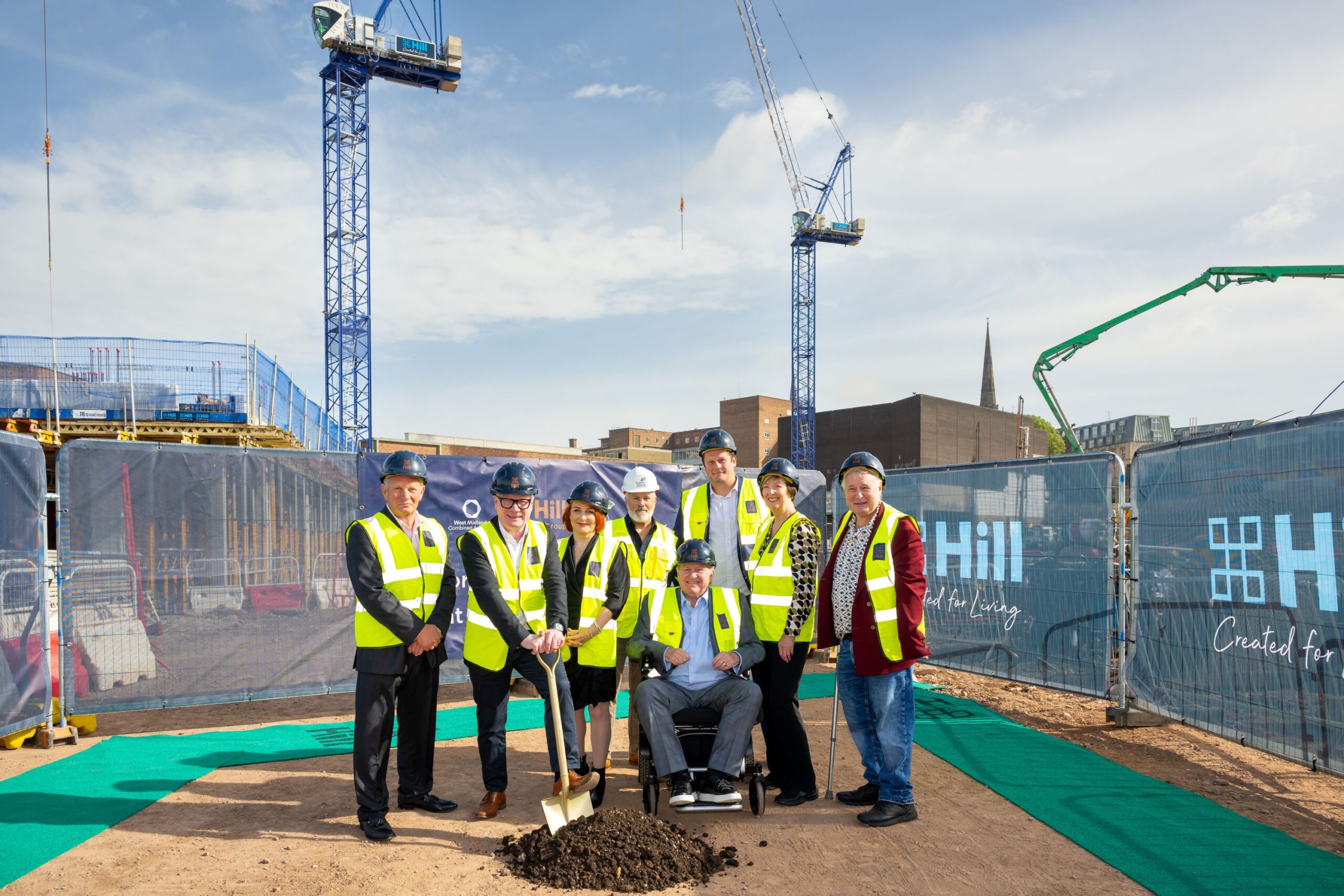
City Centre South reaches major milestone as first tower begins to rise
A major milestone has been reached at Coventry's transformational City Centre South regeneration project developed by The Hill Group, with the first tower now rising from the ground following the completion of demolition and extensive groundworks across the site....
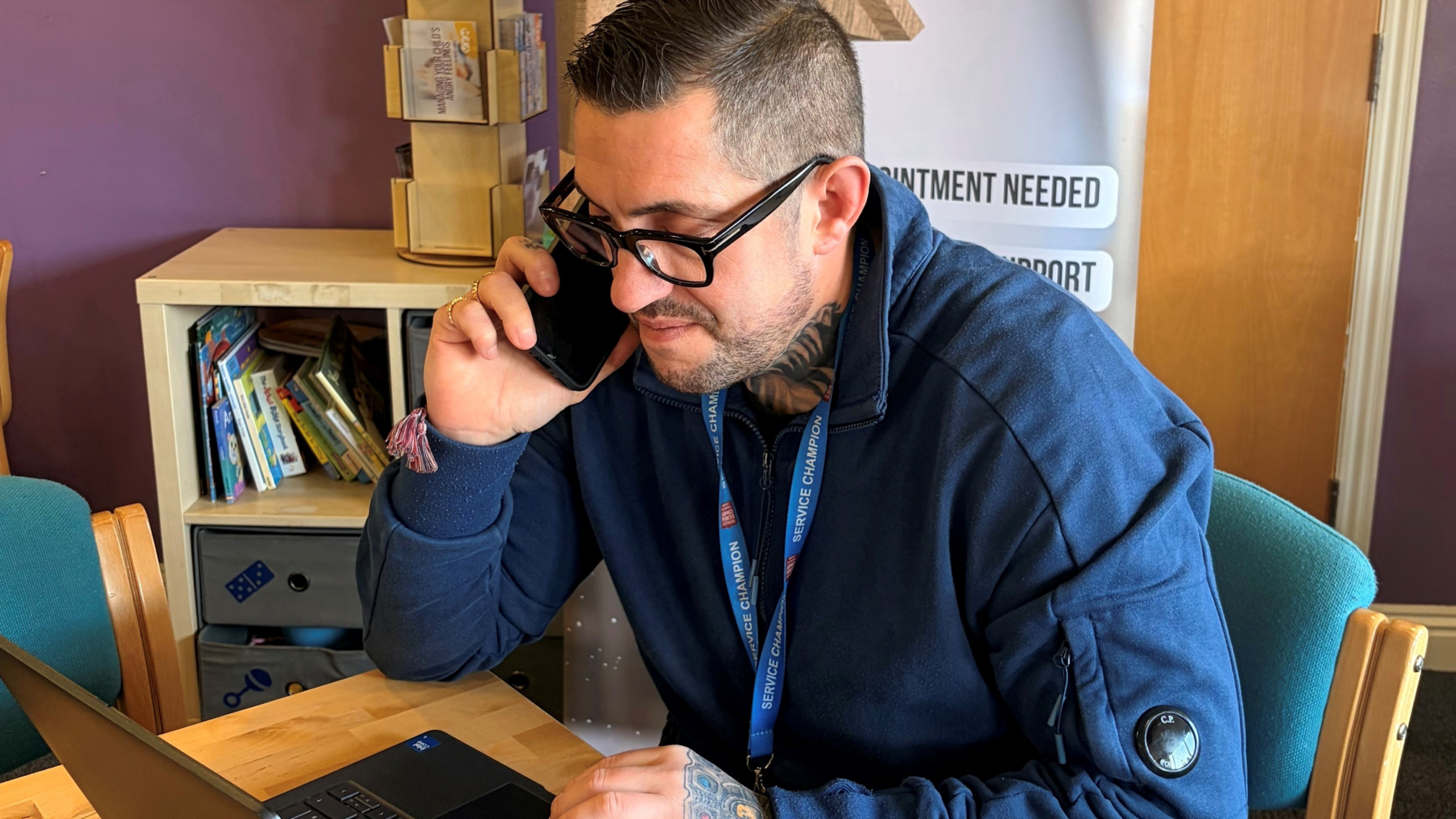
New Forest District Council’s strategy puts prevention at the heart of tackling homelessness in the district
New Forest District Council (NFDC) has launched a strategy to prevent homelessness, support people at risk, and help residents find secure accommodation. The Homelessness and Rough Sleeping Strategy sets out NFDC’s priorities for tackling homelessness and...