
Design & Build UK 14.9 feature – The Role of Inclusive Environments In Town Centre Regeneration
An inclusive environment is an environment in which all humankind can access, participate, and contribute equally – an essential concept for the exploration of exclusion and inclusion within our built environments. By examining the needs of the excluded communities, individuals, or groups, we can begin working on ways to identify and help to break sources […]
Oct 5, 2021
An inclusive environment is an environment in which all humankind can access, participate, and contribute equally – an essential concept for the exploration of exclusion and inclusion within our built environments.
By examining the needs of the excluded communities, individuals, or groups, we can begin working on ways to identify and help to break sources of exclusion.
How To Spend It?
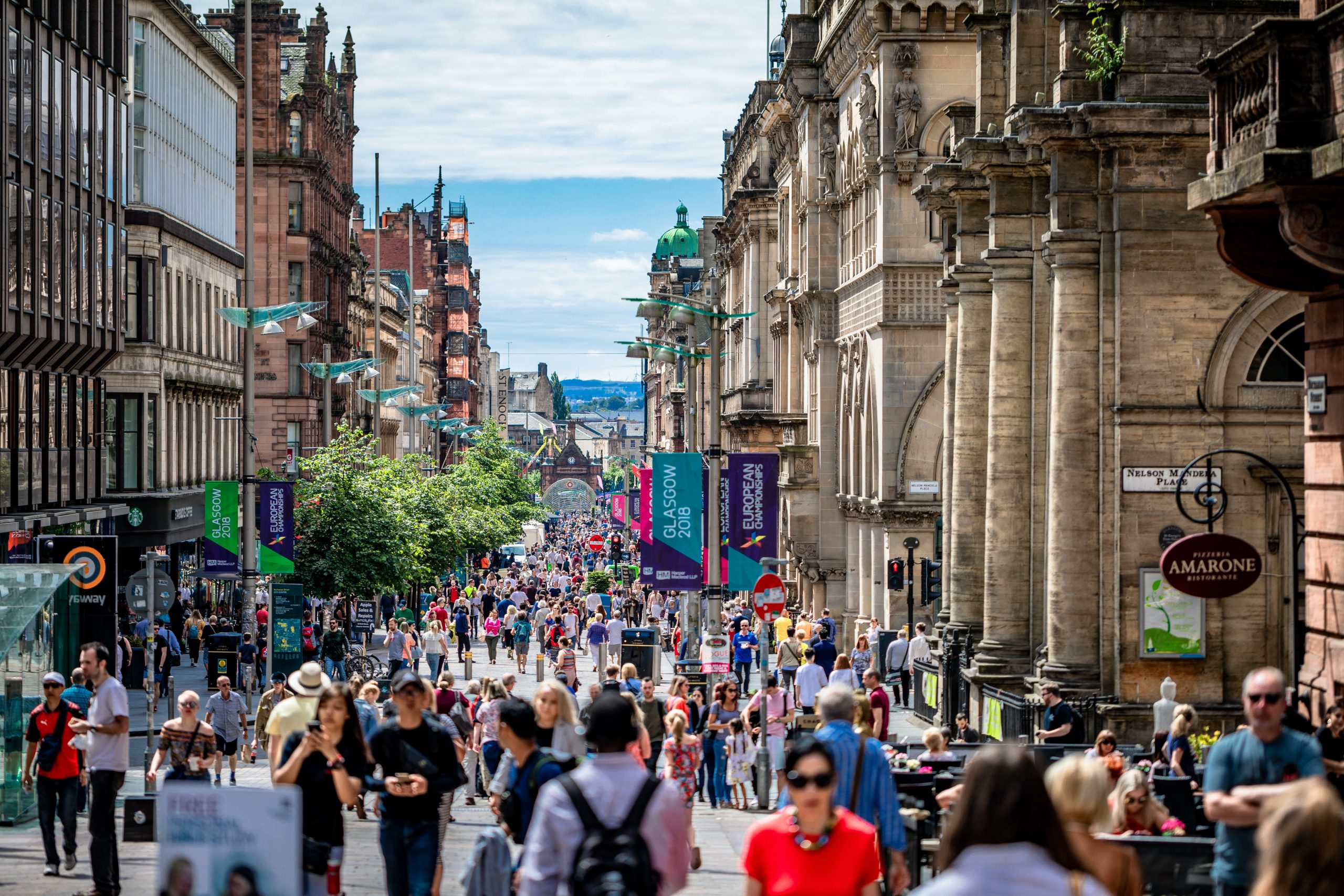
Inclusion within the built environment helps create a barrier free world for as many people as possible. We all include and exclude by our designs and the decisions we make and when it comes to town centres, we often skip one of the first principles - which is helping people get there to spend their money.
Creating an inclusive environment within a town centre doesn’t start at the shops or car parks but at the customer’s front door. Dwellings which don’t facilitate easy access and egress for everyone are an immediate barrier.
Poor design excludes people from spending their money (accessibility issues apply to shopping on the internet too so that isn’t the solution it might appear to be). The public realm outside has plenty of barriers like low-hanging branches, poor quality pavement surfaces or vehicles blocking the pavement.
For many people, with both temporary and permanent impairments, toilets are a simple way to make a big impact. Locations, cleanliness, and availability can make a day out brilliant or a non-stop nightmare. An example to note are Changing Places, which are accessible WC’s, designed to accommodate a person and an assistant/carer. They include a hoist and good circulation space for easy manoeuvring. New rules were recently introduced which will affect commercial and public buildings so it’s worth reading up about them. They make our town centres more accessible and bring what we sometimes call the ‘Purple Pound’, worth some £249m a week, to businesses.
One of the other secret sauces of accessibility and inclusion for town centre regeneration is the provision of excellent quality customer service. Whilst remediation to our built environment is vital, a lot of barriers to inclusion and access within town centres can be managed by making the effort with customer service and staff training to understand the range of customer needs, despite the limitations of a shop’s physical location.
We don’t always have to look to remove a barrier in an inclusive high street because it might be impossible, expensive, or part of a listed building or facade. Instead, we can use modern technology to help make an experience that customers will come back for.
Dwellings & Mixed Use Residential
Town centre housing provision is a hot topic because what we build now will have a long legacy. The last 20 months has showcased the need for adaptable housing and that’s without considering human-caused climate change.
Both high and low-rise residential blocks will not only need to have common parts which are accessible and can keep people safe through this pandemic era but we’re also going to need to look at inclusive isolation environments within the living spaces i.e., how we can exist happily whilst being isolated for long periods - the key to this is connectivity.
How we work from home is a consideration too. Having a flexible space with movable walls which can create space as we grow our lives but also react to the changing world outside will be par for the course. Adopting a Live/Work model, adaptable by its very nature, marketed as ‘shell and core’, ready for a new occupant to model to suit their lifestyle, could combat the historic issues which afflict a lot of town centres as the shopping provision degrades leaving residents isolated, especially at night.
Quality of life and wellbeing in town centre residential areas is often not prioritised and causes more negative impacts. Including people working in their homes during the day or through lighter weight adaptive spaces causing noise transfer. Inclusive environments emphasise the importance of noise reduction to enable better wellbeing and the ability to voluntarily isolate from the outside if needed.
Inclusive Mobility
The 15- or 20-minute city is in vogue but doesn’t meet the needs of everyone. As we design and build, we need to manage our inbuilt ‘mobility bias’.
Mobility bias extends across lots of areas including personal and public transportation. When we think of cycle stands at the train station for instance, we tend to think of two wheeled cycles. But as our personal mobility options diversify, we might choose three wheeled cycles and transportation of different designs which require entirely new security infrastructure.
We should look to include inclusive mobility into our design and build processes. We can’t eliminate our biases, only manage them, so before starting a build or design, take a moment and jot down the ways you, your friends, and your family might interact with different forms of transportation. What do you own and how do you use it? Ask the team around you and see what they say.
Perhaps you can ensure that one or two different forms of security devices or bays could be allocated just to help future proof your project and by increasing the diversity of our provisions, especially in large residential blocks or at critical transportation infrastructure like train stations, we can make our inclusive world happen together.
James Wheeler MA is the Executive Director of CIEDA
For more exclusive features like this in and around the construction industry, consider subscribing to the Design & Build UK magazine for just £2 a month!
Related Posts
Firecrest Construction Completes 40 Bed Care Home For Exemplar Health Care
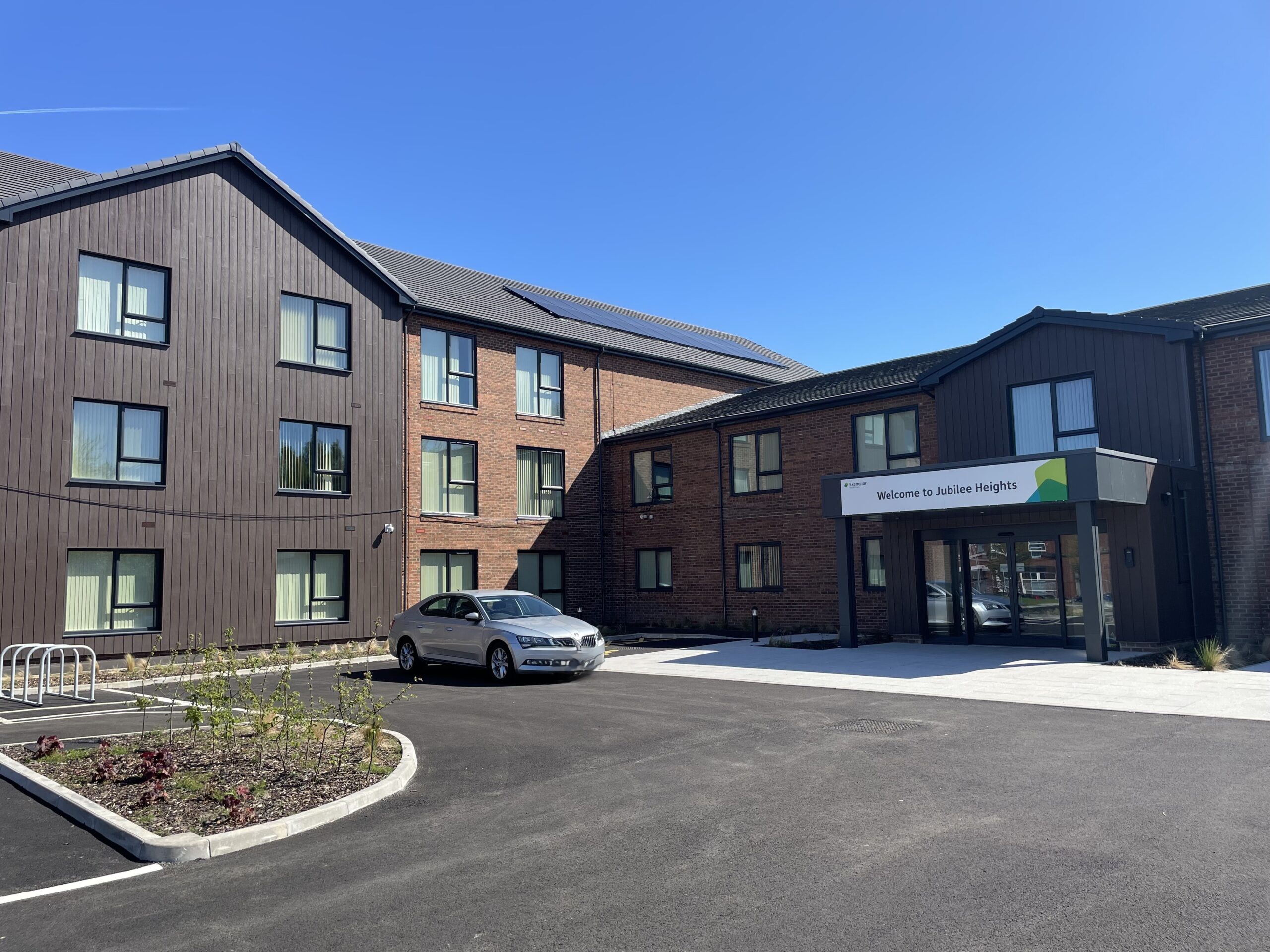
Firecrest Construction has successfully completed the complex delivery of a new 40 bed care home in Bury town centre for Exemplar Health Care. As principal contractor to the scheme, Firecrest delivered the job on budget and on time, handing over after 64 weeks...
The Hill Group Achieves Hat Trick of Planning Successes Across the South East
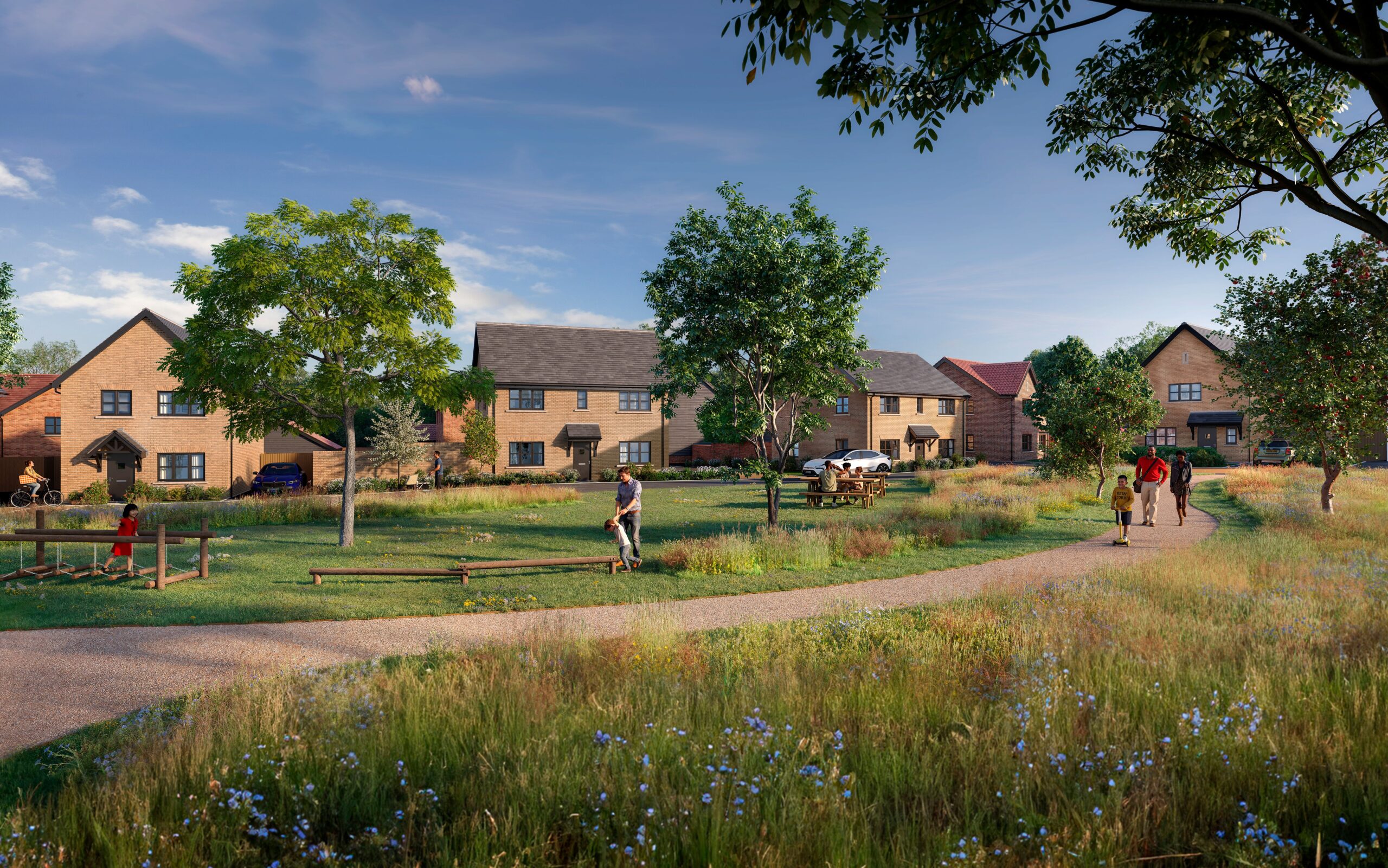
Award-winning housebuilder The Hill Group has secured a hat trick of planning permissions across the South East, marking a significant milestone in the delivery of much-needed new homes across the region. Across three newly approved schemes in Essex, Oxfordshire and...
Hampshire construction firm charts record growth despite industry challenges
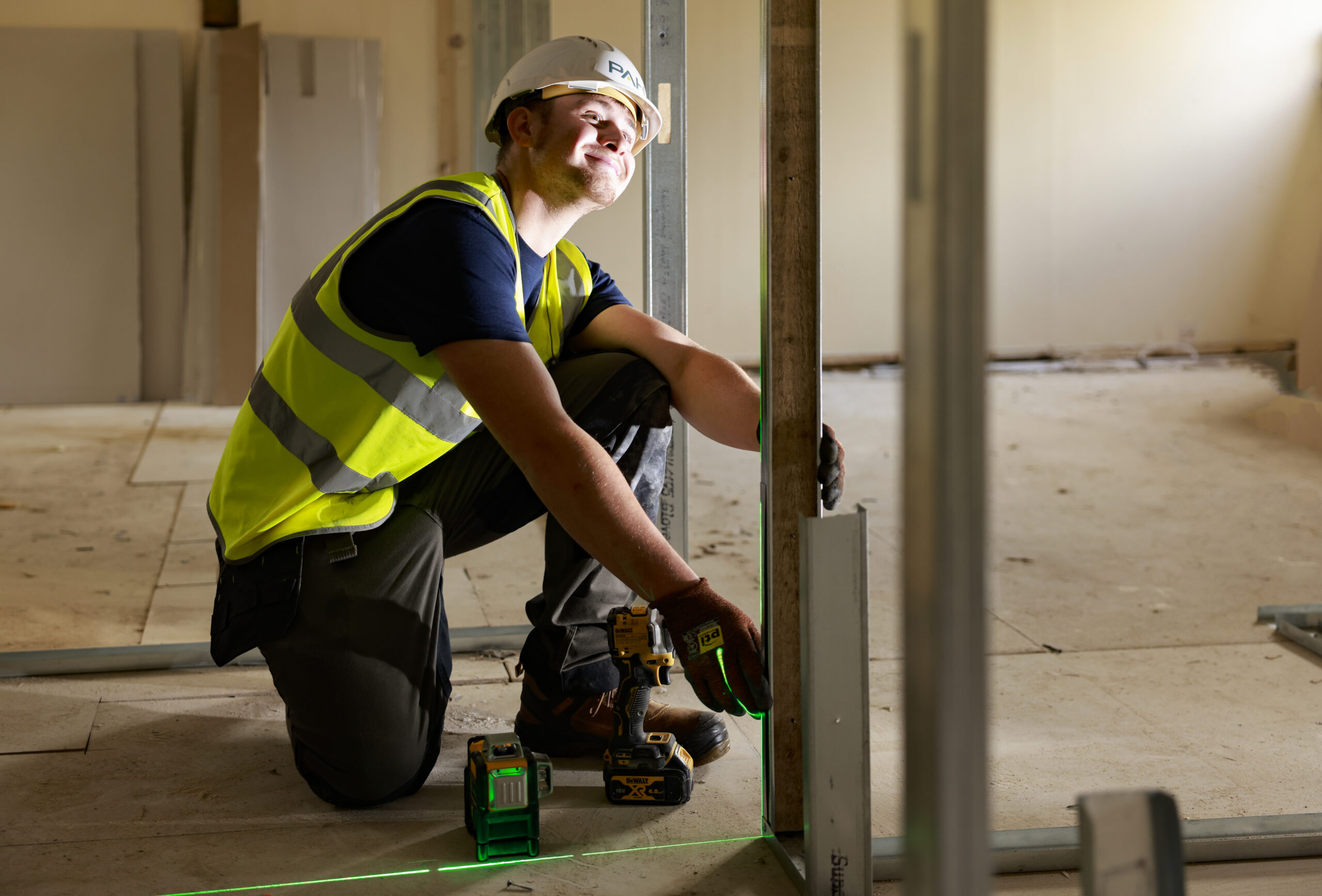
Hampshire-based construction firm, PAH Building & Construction, has already secured two thirds of its projected £18 million turnover for 2026, driven mainly by growth in its retrofitting and insurance work. This milestone has been achieved despite wider industry...