
CHILDREN AS YOUNG AS FIVE HOLD THE KEY TO BRIDGING SKILLS GAP, ACCORDING TO LEADING CONSTRUCTION TRAINER
Primary school children are the key to bridging the construction skills gap, according to the most senior training manager at one the country’s largest construction firms. Steve Hammond, who oversees all new recruits at Anderson - a leading contractor and property developer - and sits on numerous national advisory boards for training provision, said the […]
Feb 15, 2021
Primary school children are the key to bridging the construction skills gap, according to the most senior training manager at one the country’s largest construction firms.
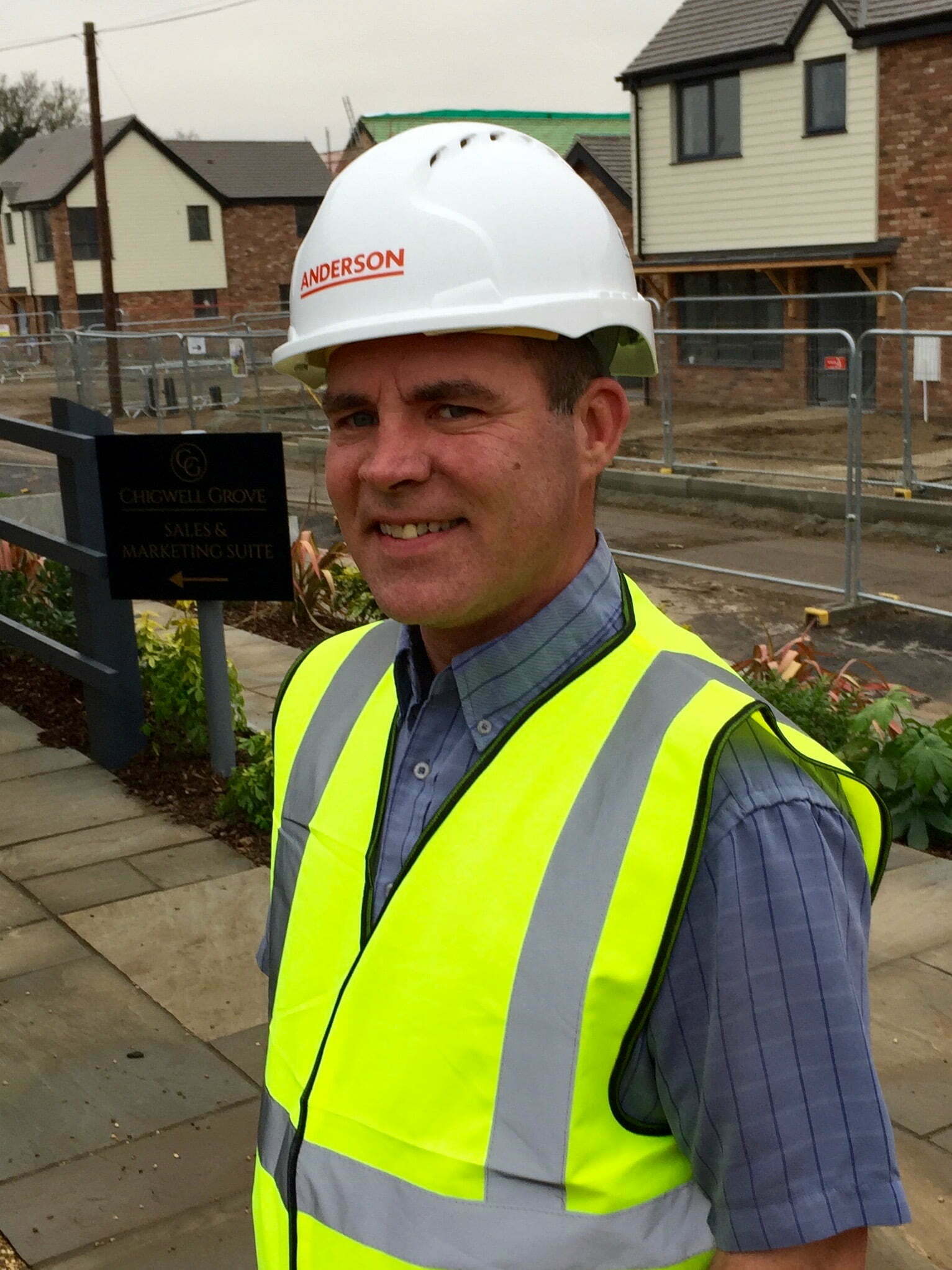
Steve Hammond, who oversees all new recruits at Anderson - a leading contractor and property developer - and sits on numerous national advisory boards for training provision, said the sector was concentrating solely on recruiting teenagers into apprenticeship roles when this was “too little too late”.
He said his focus was moving towards children as young as five as part of a programme designed to “change mindset, kill stereotypes and plan for the future.”
“The UK construction industry is facing a well-reported skills shortage due to tradespeople retiring or leaving the sector without being replaced,” he said. “It’s an issue that is a serious problem, especially as the pressure is on to meet building requirements and end a national housing crisis.
“In recent years, the industry has focused on sourcing new recruits from sixth form colleges and tried very hard to educate them on the breadth of opportunities and the range of roles within the sector.
“But what we are increasingly finding is that many young people – and their parents and teachers – still see construction as a second-rate career choice. Of course, we can tell them otherwise and educate them on the range of options out there, but it’s become obvious to me that it’s too little, too late.
“This is why I am now focusing my efforts on really young children – as young as five.”
Before the pandemic, Anderson had started taking primary school groups on site visits and visiting schools with construction-based activities designed for the different key stages.
Five to seven-year-olds were given drainage and construction activities using sand and building materials while eight to 10-year-olds were asked to design a housing estate.
On top of this, Anderson devised a VR headset experience so they could take their building site into the classroom and let children explore without health and safety risks.
Mr Hammond said: “I want to see construction terms starting to seep into the curriculum. You’ve currently got children counting apples and pears or mapping the perimeter of a square in maths. Why not switch this up and look at how many bricks you need to build a wall or work out the perimeter of a construction site instead?
“We need to be encouraging young children to aspire to jobs that are crying out to be filled. The breadth of roles in our sector is extraordinary – we need to recruit bricklayers, groundworkers and plumbers as well as site managers, quantity surveyors and architects.
“What’s more – we need to encourage more women to consider this as a viable career path and this also involves changing mindset, killing stereotypes and planning for the future.”
Mr Hammond has worked at Anderson for eight years. He sits on the Construction Advisory Group, is an advisor to the Construction Industry Training Board and was chair of the Concrete Frames Training Forum.
He also sits on the skills and employability boards for Bexley Borough Council and Essex County Council and on the Essex Construction Training Association Board.
In the last eight years he has mentored 50 ground level 2 apprentices and 10 level 3 management apprentices.
Sponsored Advert

Related Posts

Plasdŵr spine road works progress
Edenstone and Codi Group have released aerial photography showing progress on the main spine road into Porth yr Awen, part of Plasdŵr in Cardiff. The joint venture plans 184 homes on the £55m scheme, and Edenstone expects construction of the homes to begin in early 2027. Plasdŵr is planned as a 900-acre neighbourhood of around 7,000 homes, and the scheme includes 57 affordable homes.

Henry Boot issues profit warning
Henry Boot has warned that its full-year 2026 results will be significantly below market expectations, with an underlying loss before tax of £0m to £10m, according to Construction Enquirer. The property and land group also expects exceptional items of £40m to £45m, is in talks with lenders over banking covenants, and plans to present a new strategy in March 2027.

Wyatt Homes plans 75 Blandford homes
Wyatt Homes has submitted a reserved matters planning application to Dorset Council for the second phase of Lancaster Gate in Blandford Forum. The proposals cover 75 homes, a local centre with a convenience shop and community hall, relocated allotments and land safeguarded for a primary school, with 30% of homes affordable. Phase one, of 150 homes, is under construction.