
A shared future for North Sea wind
Offshore wind has traditionally been pursued as a national endeavour. Countries set their own targets, planned grid connections within their borders and delivered projects largely in isolation from their neighbours. That model is beginning to change, and the North Sea is emerging as the proving ground for a more collaborative approach. At the Future of […]

Feb 20, 2026
Offshore wind has traditionally been pursued as a national endeavour. Countries set their own targets, planned grid connections within their borders and delivered projects largely in isolation from their neighbours. That model is beginning to change, and the North Sea is emerging as the proving ground for a more collaborative approach.
At the Future of the North Seas Summit in Hamburg, the UK joined a group of European nations in signing what has been described as a landmark agreement to scale offshore wind across the region. Known as the Hamburg Declaration, the deal brings together the UK, Germany, Belgium, Norway, France, the Netherlands, Denmark, Ireland, Luxembourg and Iceland, all committing to deliver up to 100 gigawatts of offshore wind capacity in the North Sea by 2050.
Long term ambition is not new to the region. North Sea nations have already agreed a collective target of 300GW of offshore wind by mid-century. What sets this agreement apart is its focus on joint delivery. Rather than each country developing projects independently, the declaration points towards a future where offshore wind is planned, built and connected as a shared system.
Central to that shift is growing interest in offshore hybrid assets. These are wind farms designed to connect into more than one national grid through subsea interconnectors. Instead of each project relying on a single cable back to shore, electricity can flow across borders to where it is most needed. Supporters argue that this approach reduces duplication, makes better use of limited seabed space and creates a more flexible and resilient energy network.
For the UK, the timing is significant. The agreement follows the most recent Contracts for Difference auction, which secured 8.4GW of offshore wind capacity. It was the largest single procurement round ever achieved in Britain and Europe, reinforcing the UK’s position as a leading offshore wind market. The Hamburg Declaration builds on that momentum by placing the UK firmly within a broader regional framework. Energy Secretary Ed Miliband framed the deal as a step towards greater energy security and independence, highlighting its role in reducing exposure to volatile fossil fuel markets while unlocking the clean energy potential of the North Sea. That message is resonating across Europe as governments seek to balance decarbonisation with affordability and resilience of supply.
Alongside the declaration, the UK is expected to sign a statement of intent with Germany, Belgium, Denmark and the Netherlands to coordinate planning for an interconnected offshore electricity grid. This work will focus on less visible but critical issues such as cost sharing, regulation and market arrangements. Getting these foundations right will be essential if cross border infrastructure is to progress at pace rather than becoming bogged down in complexity.
Cooperation between the UK and Germany is also expected to deepen around offshore hybrid assets in particular. These projects combine wind farm connections and interconnectors into single systems on the seabed, reducing the need for multiple parallel cables. While technically demanding, they are increasingly seen as a practical response as offshore wind capacity grows and nearshore grid constraints intensify.
For construction and engineering firms, the implications are far reaching. Delivering offshore wind at this scale will require sustained investment across the supply chain, from ports and fabrication facilities to foundations, substations, cabling and onshore grid connections. It also places greater emphasis on coordination between contractors, designers and developers operating within different regulatory and commercial environments. As projects become larger and more complex, collaboration will shift from being an aspiration to a necessity; Shared standards, aligned timelines and early engagement between delivery partners will be critical to avoiding delays and cost overruns. There is also a clear opportunity for UK firms with offshore expertise to play a leading role in joint projects beyond national waters.
Resilience is rising up the agenda as well. Leaders at the summit are expected to discuss cooperation with NATO on protecting critical energy infrastructure in the North Sea, including both cyber security and physical risks to offshore assets and subsea cables. As the region’s energy system becomes more interconnected, protecting that infrastructure becomes a collective responsibility.
The agreement also arrives amid wider global debate about renewables. While offshore wind faces scrutiny in some political circles, the scale of ambition set out in the Hamburg Declaration underlines how central European governments see it to long term energy strategy, industrial growth and job creation.
For the construction sector, the message is increasingly clear. Offshore wind is no longer just about individual projects or national pipelines. It is evolving into a regional infrastructure system that will shape investment, skills and supply chains for decades. The North Sea is being repositioned not simply as a source of energy, but as a shared asset. How effectively that shared vision is translated into delivered projects will define the next phase of offshore wind and place new demands on how the industry plans, builds and works together across borders.
Sponsored Advert

Related Posts

Balfour Beatty features in The Scottish Sun highlighting how investment in Scotland’s energy future is creating lasting careers
Balfour Beatty has featured in The Scottish Sun, showcasing how the company's work to upgrade Scotland's electricity network is creating career opportunities for young people while supporting the country's transition to a low-carbon future. The article highlights how...

Major housebuilder hosting affordability events in Wiltshire and Oxfordshire
One of the country’s largest developers are hosting events across its sites to get first-time buyers on the housing ladder and help families upsize into their new homes. Persimmon Homes Wessex will have independent financial advisors on all its sites on Saturday 21st...
800 more homes for local people in Stroud
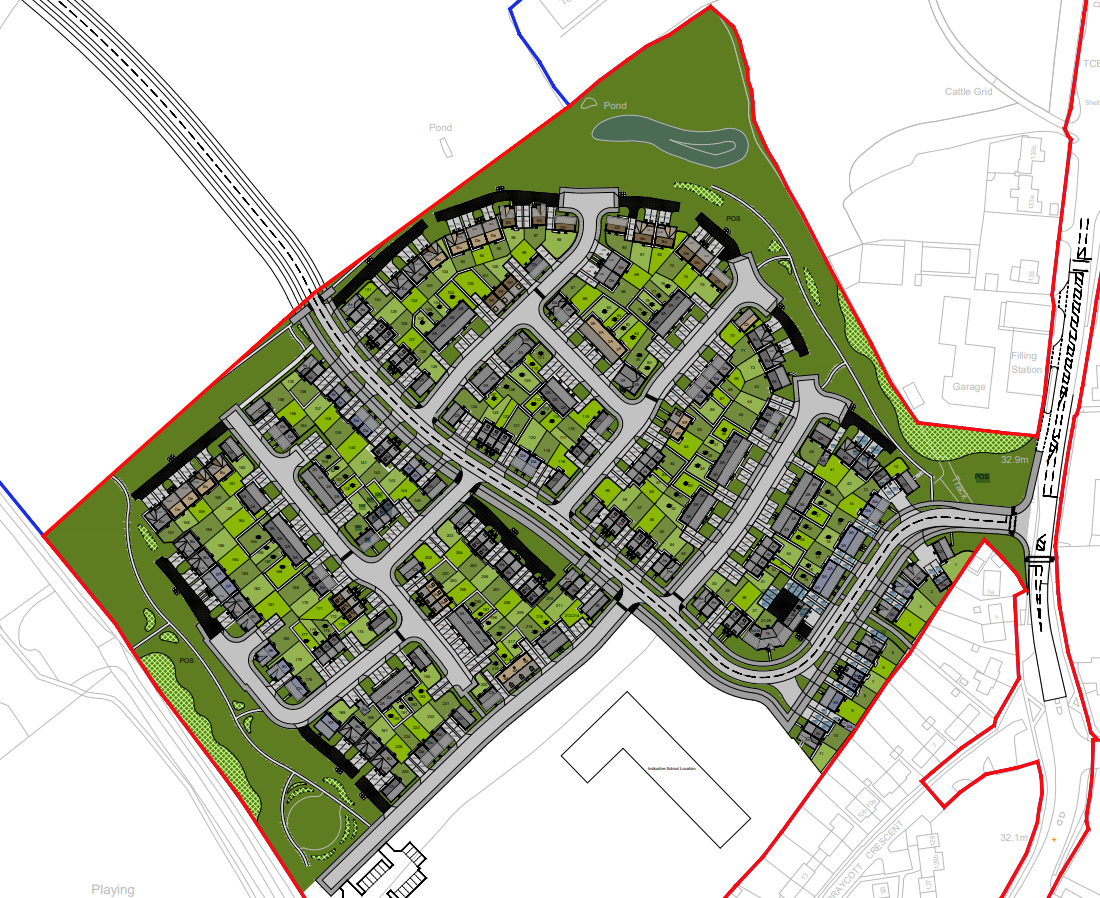
Persimmon Homes Severn Valley has secured outline planning permission for 796 new homes in Cam, Stroud following a successful appeal to the Planning Inspectorate. As part of the verdict, the accredited five-star housebuilder has full planning consent for the first 226...